
“Innovation is going to be an important pivot that is going to drive this industry leapfrog,” he said, adding that one of the biggest beneficiaries of this trend could be the contract development and manufacturing (CDMO) industry.
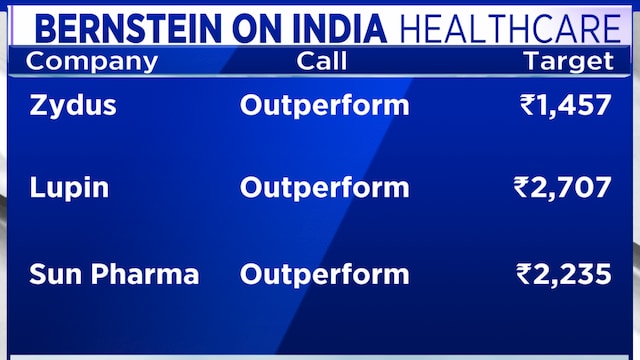
Bernstein has initiated coverage on the healthcare sector with an outperform rating on Zydus Lifesciences, Lupin and Sun Pharmaceutical Industries. According to Kulkarni, these companies are well-positioned to benefit from the industry’s shift toward innovation-led growth.
The China-plus-one strategy, which encourages global companies to diversify supply chains away from China, also creates fresh opportunities for Indian firms. Demand for complex products and newer drug modalities is also increasing, strengthening India’s position in global pharmaceutical manufacturing.
He also pointed to a broader change taking place across the sector. “The boardroom narratives are finally and systematically shifting from pure generic copies… to a structured innovation bet,” he said. This shift is visible not only among large pharmaceutical companies but also across several mid-sized and smaller firms that are investing in speciality therapies, orphan drugs, biosimilars and licensing opportunities.
Recent success stories such as licensing deals and new drug discoveries have strengthened confidence in India’s innovation capabilities. Kulkarni said the opportunity is not limited to blockbuster drugs alone. Incremental innovations, new indications for existing therapies and niche treatments can also generate meaningful revenue growth and improve profitability for companies.
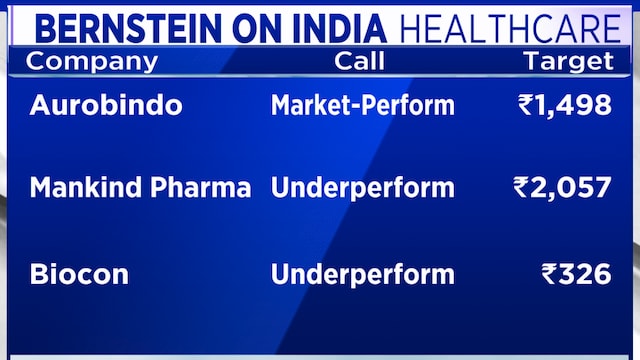
While Bernstein remains positive on the sector overall, it has a more cautious view on Biocon and Mankind Pharma. In Biocon’s case, Kulkarni believes the key challenge is execution. The company has invested heavily in research and development, but investors are still waiting for those investments to translate into stronger commercial outcomes.
For Mankind Pharma, the concern is more strategic. Kulkarni believes that a continued focus on domestic acute and chronic therapies could limit exposure to larger innovation opportunities emerging in the US and European markets.
Watch the full conversation here

Among the sector’s large-cap names, Bernstein is also optimistic about Sun Pharma’s acquisition of Organon. Kulkarni said the deal combines complementary portfolios, strong market positions and innovation capabilities. He expects the combination to create meaningful synergies and generate stronger cash flows over time.
As global healthcare companies look for new manufacturing partners and Indian drugmakers expand their research ambitions, Bernstein believes the industry’s next growth chapter will be driven less by copying medicines and more by creating them.

Catch all the latest updates from the stock market here