
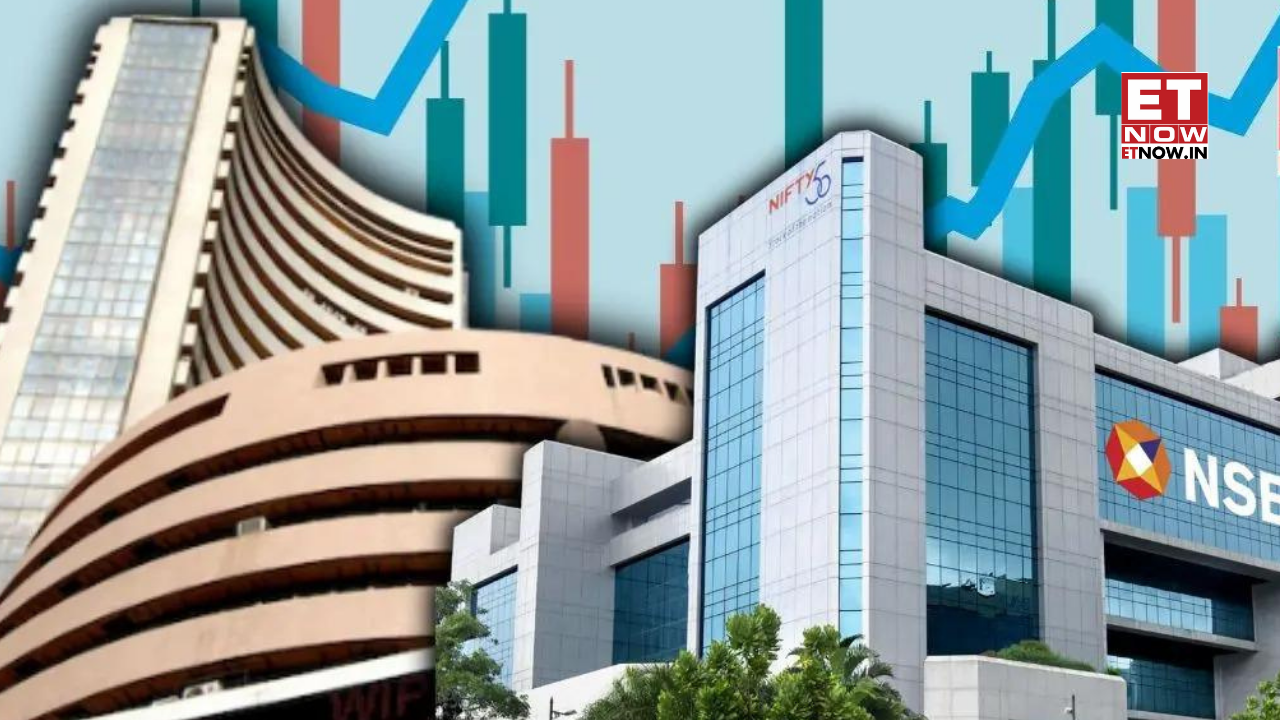
India’s stock markets have undergone a fairly choppy trade under Prime Minister Narendra Modi’s tenure between 2014-2026, delivering mixed returns amid global shocks, domestic resets and intermittent volatility. While benchmark indices have more than doubled, the real story lies beneath the surface, midcaps, select financial names and consumption-driven stocks have emerged as the biggest wealth creators, even as the rupee weakened sharply against the dollar.
From May 2014 to June 2026, the Nifty index has risen 2.16 times, reflecting steady long-term growth. However, investors willing to move beyond blue chips have been rewarded far more handsomely. The standout performer has been the Nifty Midcap index, which surged 4.92 times during the period, underscoring how India’s growth story has broadened beyond large-cap names. Smallcaps too delivered strong gains of 2.71 times, pointing to depth in market participation. Meanwhile, the Nifty Bank index rose 2.64 times, signalling the importance of financials in driving economic expansion, aided by improving asset quality and stronger credit growth.
Finance, Retail stocks dominate
Midcaps and smallcaps deliver outsized returns
Sectoral trends: cyclicals and new themes outperform
Sectorally, the market has seen clear divergence. Metals gained 3.12 times and automobiles gained 3 times benefitted from cyclical recoveries and global demand trends. Pharma, realty and IT delivered moderate but stable returns. Interestingly, FMCG stocks underperformed, gaining just 1.73 times, as high valuations and muted volume growth capped upside. PSU banks lagged over the decade despite a turnaround in recent years. A relatively new entrant, the defence sector, has seen a sharp re-rating. Since its inception in 2022, the Nifty India Defence index has climbed 4.48 times, driven by policy support, localisation and rising exports.
India in the global context
India’s market returns sit mid-pack globally. The Dow Jones gained 3.99 times and Nikkei gained 3.47 times outperformed, while India did better than markets such as Shanghai, FTSE and Hang Seng, the latter barely delivering gains over the same period.
FIIs exit, domestic investors take centre stage
One of the defining shifts of the decade has been the changing nature of capital flows. Foreign institutional investors (FIIs) have been consistent net sellers, pulling out over Rs 13.4 lakh crore cumulatively since 2014.
In contrast, domestic institutional investors (DIIs) have emerged as the backbone of the market, investing nearly Rs 26 lakh crore during this period. The rise of mutual funds and retail participation through SIPs has fundamentally altered market dynamics, reducing dependence on foreign capital.
While equities have delivered gains, the currency has moved in the opposite direction. The Indian rupee has depreciated from 59 to 95.3 against the US dollar, marking a decline of over 61 per cent during the decade. This fall reflects a mix of global dollar strength, trade imbalances and capital flow volatility. For foreign investors, currency weakness has offset a portion of equity gains, influencing long-term allocation decisions.
More recently, the rupee has come under renewed pressure due surging oil price amid Israel,US-Iran tesnion. The domestic currency breached the psychological 96 mark against the greenback multiple times before hitting a record low of Rs 96.90 last month. But the currency found some support as the RBI intervened by selling dollars. The domestic currency now trades in the range of 95 but stays under pressure
(Disclaimer: The above article is meant for informational purposes only, and should not be considered as any investment advice. ET NOW DIGITAL suggests its readers/audience to consult their financial advisors before making any money related decisions.)