
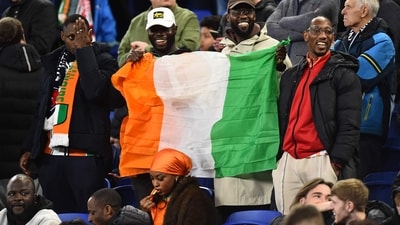
The 2026 FIFA World Cup is almost here, but the tournament has witnessed plenty of controversies. The US government has been facing plenty of backlash from immigration and human rights experts due its travel restrictions on some countries. It all came to focus when Somali referee Omar Artan, who was set to officiate in the tournament, was denied entry into the country. Other than that, fans from four World Cup qualifying countries won’t be able to travel to the US for the tournament.
The US government has implemented a full travel ban on Iran and Haiti, both of which qualified for the World Cup this year. Meanwhile, Ivory Coast, which has qualified for the World Cup have a partial travel ban. Meanwhile, Senegal has been facing difficulties obtaining US visas. They are among the countries with the highest visa refusal rate.
The president of the Ivory Coast’s national supporters group, Julien Kouadio, revealed that his country’s home-based fans have been denied visas.
Speaking to AFP, he said, “The supporters have cancelled the trip because the US government does not want to see supporters from certain countries, including Ivory Coast, on its soil. The United States has been clear with us, saying they do not want to see our supporters.”
“This situation hurts us deeply because it prevents us from fulfilling our sacred duty, which is to support our team.”
Artan’s entry was a denial that came as the biggest surprise for fans, as he was already included on FIFA’s list of World Cup officials this year. In a statement, the US Customs and Border Protection said, “Following inspection, the traveler, a referee for the FIFA World Cup, was determined to be inadmissible due to vetting concerns and was denied entry.”
“Admissibility determinations are made on a case-by-case basis using law enforcement, national security, and immigration information available at the time of inspection.
“CBP officers have the authority to question travelers, conduct inspections, and determine admissibility consistent with U.S. law.”
Landing in Mogadishu on Wednesday, he received a huge welcome from supporters and officials. Speaking to fans, he said, “I promise you, God willing, that I will attend the next one.”
“I want the Somali public to take comfort in this and remain confident.”
“It is up to all of us to defend the Somali name.
“Somalia belongs to us, whether it is in a bad state or a good state. That flag belongs to us, and that passport belongs to us.”