
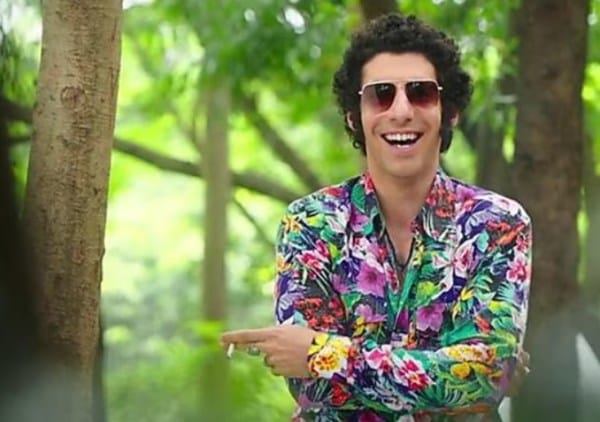
Jim Sarbh’s onscreen image when he made his debut with Ram Madhvani’s 2016 crime thriller Neerja is poles apart from what it is now, 10 years later. The actor, who played a merciless hijacker in the Sonam Kapoor-starrer, is now best known for essaying historical innovators like Homi Bhabha in SonyLIV’s Rocket Boys and most recently, Titan founder Xerxes Desai in Robby Grewal’s show Made In India: A Titan Story on Amazon MXPlayer. In this exclusive interview with SCREEN, he discusses the image makeover, business lessons from Xerxes Desai, and working with Naseeruddin Shah, who plays JRD Tata in the series.
Xerxes Desai came from a place of honour and valuing people because it was a tenet of the Tatas. The workplace should be a happy place. You should be loyal, and take care of the people who give you their time. In the first episode, there’s a line that his wife (Namita Dubey) tells him, “If you have to choose between process and people, choose people because they’re the ones who carry out the processes.” I really do believe that this team imbibed that, and lived from those principles. I hope all of these things are still alive. I hope people still think about legacy, but not at any cost. It’s beautiful if they think about the people who bring that legacy to fruition.
Has playing key historical figures like Homi Bhabha and Xerxes Desai helped you realize the responsibility of telling the stories of the India of that time?
Whenever our country comes out from a very difficult period, which was the British rule, there’s so many thoughts and things that can progress out of that. There’s definitely a focus on nation-building and discovering what your nation wants to stand for. I like particularly the story of Vikram Sarabhai and Homi Bhabha because they were two very privileged people who managed to fuel their ambition to turn it into something bigger than themselves, something that would last beyond themselves. It reminds me of that other story when Tatas wanted to collaborate with Land Rover, and they were told no. Now, they own Land Rover. That’s great. I love that when you’re discouraged, you use that defeat to fuel something even better and bigger.
Are you wary that you’ve become the go-to Parsi guy on screen now?
I haven’t played too many Parsis. Maybe just three or four.
Including Zubin from Sanju?
Story continues below this ad
He was a Parsi? I don’t think he was religious (laughs).
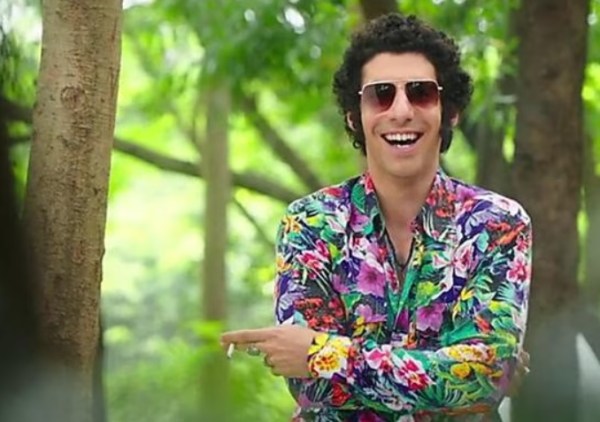 Jim Sarbh in Sanju.
But does the typecasting bother you?
No, they come to me with characters. For instance, I even forgot that Zubin was a Parsi. Sometimes, they adapt the character to be a Parsi, like in Sanju or in Bejoy Nambiar’s short film The Massage. I guess it fits na? I’m a Parsi actor who exists in the world, so why not go to me with this. Now, I’ll start getting the opposite kind of typecasting. For years, I heard, “Oh, you like playing grey characters.” Now, it’ll become, “So, now you’ll only play Parsi historical figures.” It’s just how things change and develop.
But would you agree that we’ve come a long way from how Parsis have been depicted on screen? Of course, there were little gems like Vijaya Mehta’s Pestonjee (1988), but the community hadn’t gotten their due for how much they contributed to nation building.
Story continues below this ad
Naseer was so good in Pestonjee! I also think many times, when films are painting everything in broad strokes, then a certain community starts to represent something within that film. For instance, Sardars and Parsis were considered comic relief. I’m not saying it was bad earlier, but yeah, I do enjoy playing Parsi characters who have been integral to the development of this country, or to the derailment of Sanjay Dutt (laughs).
Speaking of Naseer, was it nerve-wrecking to share screen space with him?
I’ve met him many times before. I love him. I wouldn’t say I was being nerve-wrecked. I was just enjoying the fact that art was imitating life. There’s already a mentor-mentee situation going on, whether he thinks of it that way or not. It’s coming from me. So, I just have to play the same thing in the scene. It’s not like we’re against each other. I just had to learn from him, which is exactly what I was doing anyway on set. So, I felt it was quite easy and comfortable. We got along well. We played scrabble and chatted about life on the side while waiting for our shot. I admire his approach to acting.
Also Read — Main Vaapas Aaunga movie review: Diljit Dosanjh film an astounding take on Partition trauma
Story continues below this ad
You play another Parsi historical figure, Karl Khandalavala, in Mira Nair’s Amri, biopic of legendary artist Amrita Sher-Gil. What can you tell us about that?
The character I’m playing in Amri was the one I was offered many years ago in a different project at a very different stage of the same man’s career. Isn’t that interesting? This is at a time when he was entrenched in being a lawyer. I was asked to play an older version of him in a project about the Nanavati case. In Amri, he’s an art enthusiast. He got her her first major exhibition. He clicked the photos of how we associate Amrita Sher-Gil today. He took her headshots that you put on the artist’s blurb on the side when you enter an exhibition. He really was a massive champion of the arts. He had studied the history so well and beautifully that he could see very clearly that this girl is the next big thing. He saw her greatness very, very early on.