
Orton believes the removal of key downside risks, coupled with stabilising currency conditions and the potential for stronger foreign inflows, could improve the outlook for Indian equities.
While global investors continue to favour growth themes such as artificial intelligence (AI), Orton argues that India’s combination of solid macroeconomic fundamentals and more attractive valuations is becoming increasingly compelling.
He sees particular opportunity in financials, telecom and infrastructure, highlighting ICICI Bank, HDFC Bank, Bharti Airtel, GMR Airports and Mahindra & Mahindra as stocks positioned to benefit from an improving backdrop.
This is an edited transcript of the interview.Q: The market seems to be taking everything in stride despite the lingering concerns. Does this mean investors will now start focusing on opportunities they may have missed while the conflict was ongoing, including emerging markets such as India?
A: I certainly hope that is the case. When we look at the developments over the weekend, the biggest positive is that, regardless of how this next 60-day ceasefire period unfolds, we continue to remove left-tail risks from the table. That’s the most constructive development.
We still need to be somewhat cautious about getting too optimistic because we haven’t yet seen the text of the agreement. We know both parties have evidently agreed to it, but we don’t know exactly what’s contained in it.
That said, the initial decline in oil prices should likely hold absent any major change, and we are already seeing optimism flow back into some of the markets that were most adversely affected by higher oil prices. That includes certain emerging market economies and India.
The key follow-through will come next month when earnings season begins. Are we going to see earnings growth delivered? That’s going to be critical—not just for India and emerging markets, but globally. Many markets have experienced a momentum-led rally, and earnings now need to validate that optimism.
Q: SpaceX has performed exceptionally well and continues to gain in after-hours trading. Is this a normal market reaction? Valuations appear disconnected from revenues. How should investors interpret SpaceX as an indicator of broader market sentiment in the US?
A: It has performed exceptionally well, and I think it’s clear evidence of something I have been optimistic about for a long time: the outlook for US markets and the artificial intelligence (AI) trade.
The last time we spoke, I cautioned investors not to worry too much about the market’s ability to absorb SpaceX. We saw the initial public offering (IPO) go incredibly smoothly last Friday, followed by continued gains this week.
What this shows is that the market still has a strong risk appetite. The key, however, is that the opportunity has to be thematic. It needs to fit into an area where investors believe growth will persist.
That is true regardless of where you are looking globally. Investments need to align with broader themes, whether that’s macroeconomic developments or structural growth trends. India fits squarely into themes such as strong gross domestic product (GDP) growth and favourable consumer tailwinds, especially if some of the worst-case inflation scenarios in the US are avoided. It also fits into the broader AI capital expenditure beneficiary story.
I would continue leaning into many of these trades on weakness. Broadly speaking, the message is that risk appetite remains healthy, and investors are willing to allocate capital where they see long-term, durable growth opportunities.
Q: India is participating in the rally, but is there a case for India to actually outperform after its recent period of underperformance? Crude prices have cooled, foreign investors remain underweight, and inflows appear to be improving. Could India outperform, and which stocks would you be looking at?
A: Absolutely. I think there is a strong case to be made for India, and it rests on two pillars.
First, from a passive and structural perspective, as investors allocate more capital to emerging markets—particularly if the US dollar weakens somewhat—that should benefit the broader emerging-market trade. India will naturally benefit from those inflows.
Second, India is increasingly becoming the value opportunity within emerging markets. You still have strong macroeconomic trends underpinning the story, but valuations have compressed significantly. A considerable amount of risk has already been priced out.
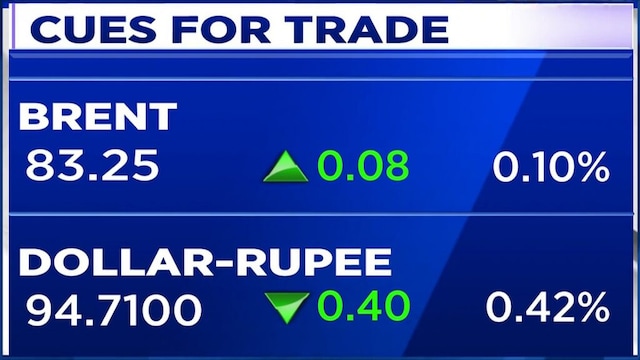
Investors who have benefited from gains in markets such as South Korea and Taiwan through the AI trade can now look toward India with greater confidence, particularly as some of the key downside risks around inflation have eased. The stabilisation of the rupee has also been critical in encouraging foreign investors to allocate more capital.
When I look at India today, I agree with many analysts who point to financials as a key area of opportunity. I would focus on banks such as ICICI Bank and HDFC Bank. These large-cap names should benefit from passive index flows, but they also appear inexpensive. Commercial loan growth should improve, deposit costs may not rise as much as previously expected, and there is a reasonable case for return-on-equity expansion.
Beyond financials, I would also look at hard-asset-oriented plays. Bharti Airtel has been under pressure, but there is a case for average revenue per user (ARPU) growth to accelerate. We could also see further industry consolidation, which supports the longer-term story.
Watch the full conversation here

On the infrastructure side, GMR Airports is doing a strong job of diversifying into real estate and other airport-related businesses rather than relying solely on travel. That creates an attractive long-term opportunity.
I also continue to like airports as a theme, and Mahindra and Mahindra (M&M) remains compelling. The stock has become heavily discounted, understandably due to concerns around oil prices, but current valuations appear attractive.
Catch all the latest updates from the stock market here