
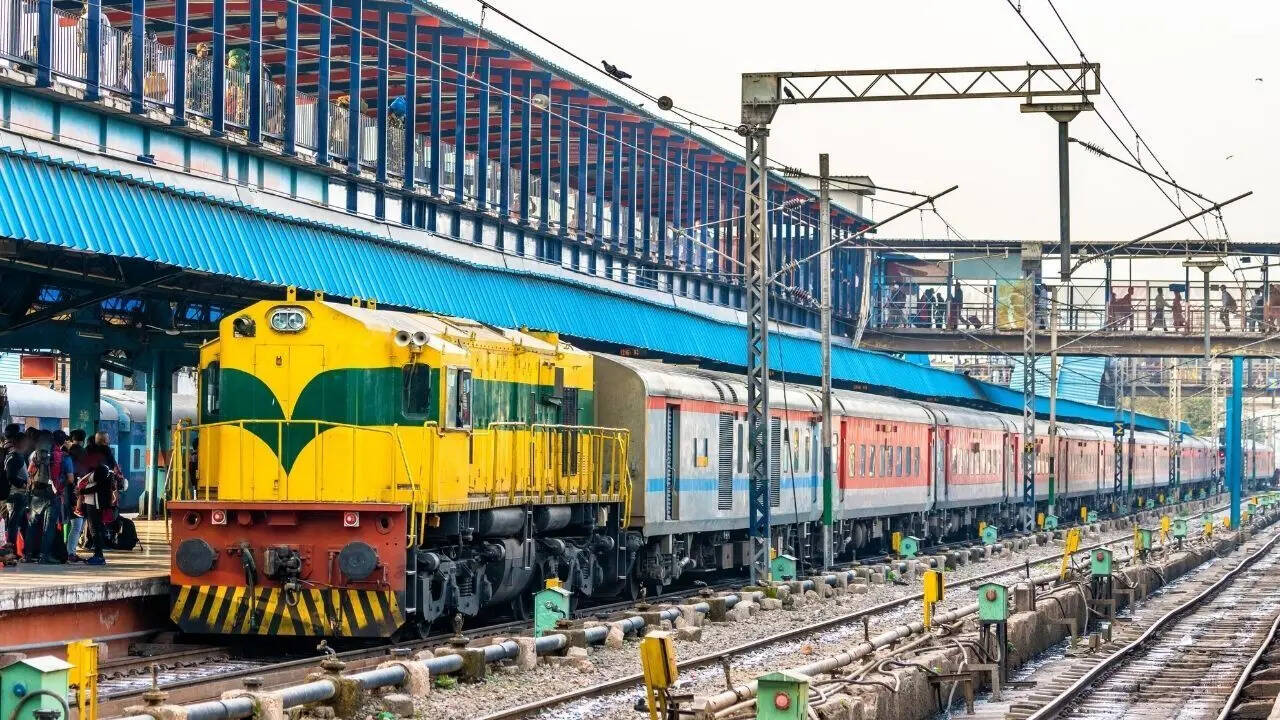
Few places in India have witnessed as many dreams arrive and depart as the New Delhi Railway Station. According to Wikipedia, The New Delhi Railway Station was set up in 1926, with a single platform at Ajmeri Gate near Paharganj, and was completed in time for the city’s inauguration in 1931 by the then British Viceroy. Following Independence, New Delhi Railway Station was expanded extensively during the 1950s. The redevelopment was completed in 1956 and formally inaugurated by India’s first President, Dr Rajendra Prasad. This station has grown from a colonial-era transport facility into one of the busiest railway hubs in the world, serving as a travelling hub for people from all across the country. Over the decades, it has welcomed migrants, students, entrepreneurs, tourists, government officials and job seekers from every corner of the country. Today, this station is not only known for its staggering passenger traffic and its recognition in the Guinness World Records for having world’s largest route relay interlocking systems in its time but also for the profound role it has played in shaping the capital’s urban landscape, property markets and economic growth. It has played a very important role in shaping the real estate sector of the region.
The station that built entire neighbourhoods
Long before transit-oriented development became a planning buzzword, New Delhi Railway Station was quietly creating it. The station transformed the surrounding areas into some of the most commercially active zones in the city. Neighbourhoods such as Paharganj, Ajmeri Gate, Nabi Karim, Sadar Bazaar and parts of Karol Bagh evolved largely because of their proximity to the station.Hotels, guest houses, retail markets, warehouses, logistics businesses as well as commercial establishments emerged to serve the constant flow of travellers. Over time, land values in these areas appreciated significantly, turning what were once peripheral settlements into thriving urban micro-markets showing great scope of property investment for people. The station became a powerful economic anchor demonstrating how transportation infrastructure can directly influence real estate demand and urban expansion in the region.
A railway hub born alongside New Delhi
The story of the station is closely tied to the birth of New Delhi itself. When the British shifted the capital from Calcutta to Delhi in 1911, a new administrative city began taking shape. The railway station was envisioned as a critical component of this grand urban plan. It was planned to develop a connecting point to the capital for the rest of the country. Iconic structures such as Rashtrapati Bhavan and India Gate symbolised political power, the railway station became the city’s gateway to the rest of India. It linked the new capital with major commercial and administrative centres ensuring that Delhi would emerge as a national hub for governance, trade and mobility.
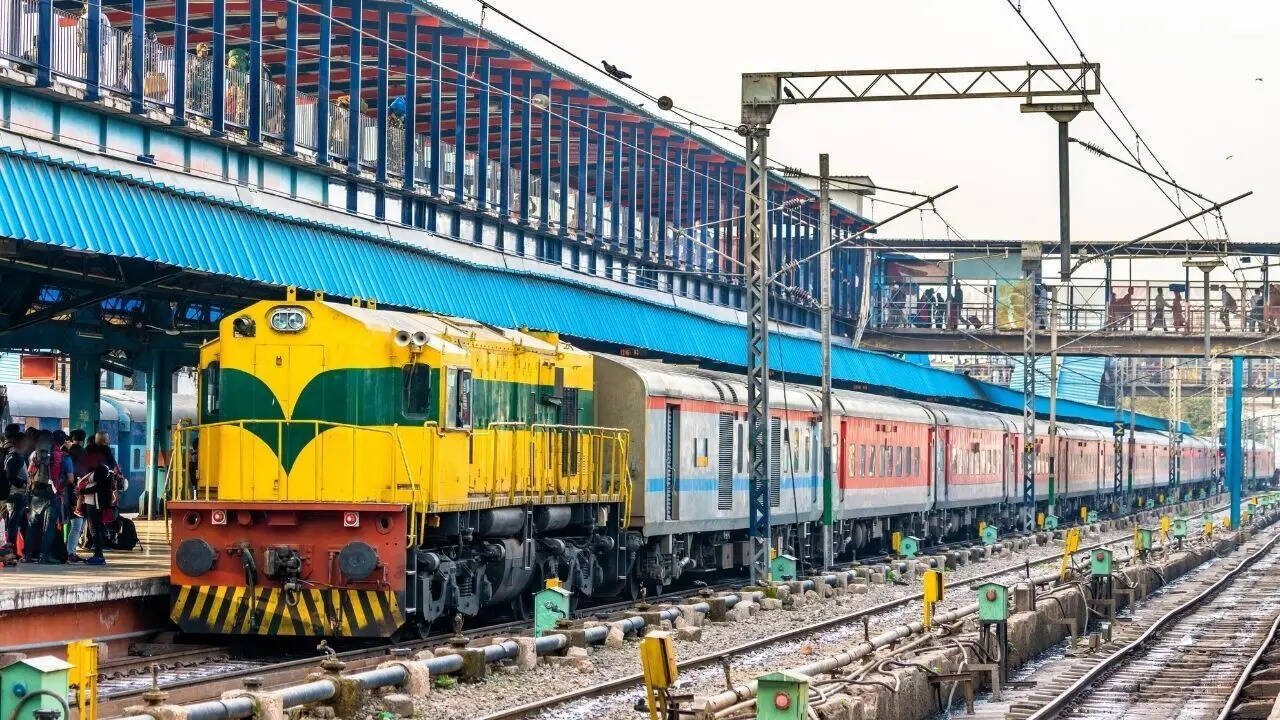
New Delhi Railway Station (Image Credit: Canva)
The migration engine of modern Delhi
If the station’s walls could speak, they would tell stories of millions who arrived with little more than a suitcase and a dream to fulfill.Throughout the decades following Independence, New Delhi Railway Station became one of the major and primary entry points for migrants seeking employment, education and better opportunities. Many settled in nearby localities, contributing to the growth of residential and mixed-use neighbourhoods across central and West Delhi.This influx created sustained demand for rental housing, affordable accommodations and commercial spaces. Entire local economies developed around serving new arrivals; from budget hotels and eateries to transport services and retail businesses. In many ways, the station functioned as a demographic engine that continuously fed Delhi’s urban growth.
How connectivity drives property values
One of the most significant factors influencing real estate values is connectivity and there are only few locations in India offer the level of multimodal connectivity found around New Delhi Railway Station.The station serves hundreds of trains daily and connects Delhi with nearly every major city in the country. Over the years, this railway connectivity has been complemented by extensive road networks, bus services and the Delhi Metro.The integration with metro stations such as New Delhi Metro Station has further enhanced accessibility. Residents, office workers and visitors can seamlessly switch between rail, metro and road transport. This convenience has made surrounding commercial districts highly attractive for businesses and investors.Properties located near major transport nodes often command premium valuations because they reduce travel time and improve accessibility. The New Delhi Railway Station area exemplifies this relationship between transportation infrastructure and real estate appreciation. These types of areas attract a large number of people for property investment.
The rise of hospitality and commercial real estate
The station’s impact on Delhi’s hospitality sector is impossible to ignore. Paharganj, situated adjacent to the station, evolved into one of India’s most recognised budget accommodation districts.Thousands of domestic and international travellers passing through the station generated demand for hotels, hostels, guest houses and serviced accommodations. The hospitality ecosystem, in turn attracted restaurants, travel agencies, retail outlets and entertainment businesses.Commercial real estate followed a similar trend trajectory. The constant movement of people in the region created opportunities for offices, wholesale markets and service-oriented enterprises. The station effectively became a catalyst for economic clustering where businesses benefited from proximity to both customers and transportation infrastructure.
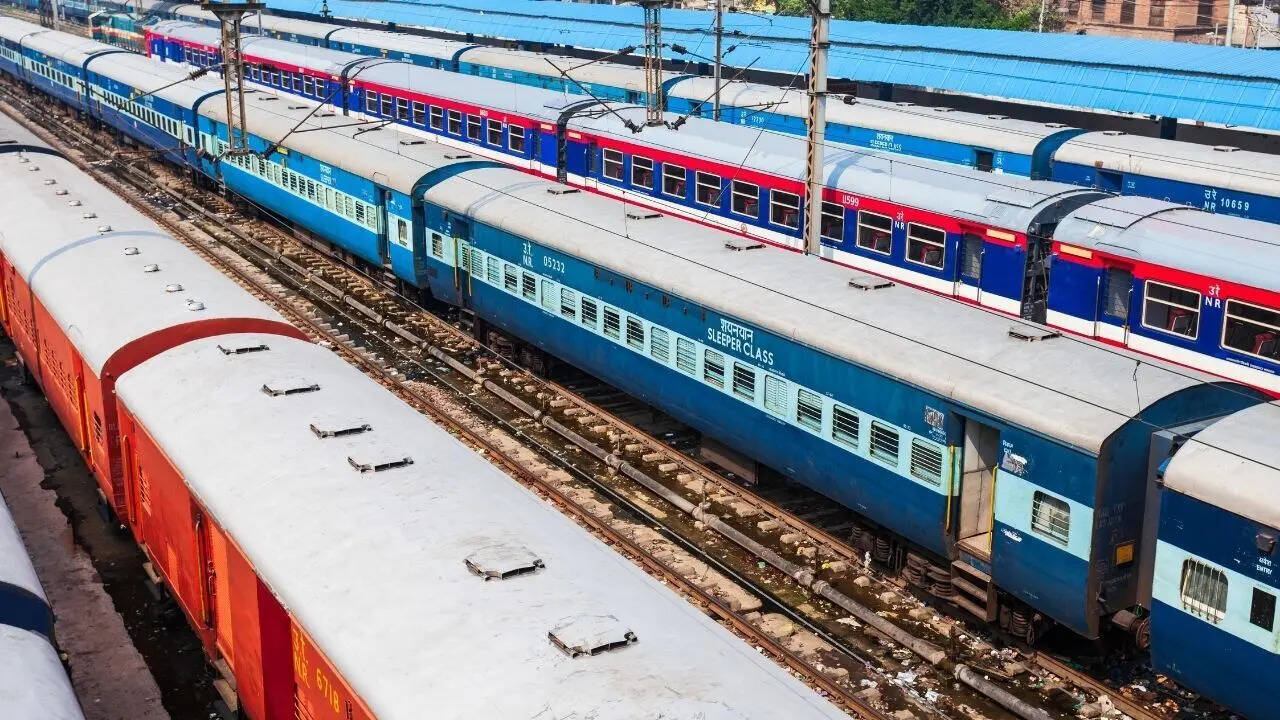
New Delhi Railway Station (Image Credit: Canva)
A Guinness record and engineering achievement
Among the station’s lesser-known distinctions is its association with the Guinness World Records through its route relay interlocking system, which was once recognised as one of the largest such systems globally.This sophisticated signalling network enabled safer and more efficient train operations reflecting the scale and complexity of rail traffic handled by the station. While passengers often focus on platforms and trains, much of the station’s significance lies in the engineering systems operating behind the scenes which play a crucial role in the smooth working of the railway station.The achievement symbolised India’s growing railway capabilities and reinforced the station’s reputation as one of the country’s most important transportation assets.
The economic ripple effect
Major railway stations rarely influence only their immediate surroundings. Their impact extends across entire urban regions.New Delhi Railway Station supports countless economic activities including logistics, retail trade, hospitality, transportation and tourism. The daily movement of people generates substantial spending that benefits businesses throughout the city.For property markets, this translates into consistent demand for both residential and commercial assets. Investors often seek locations with reliable footfall and long-term economic activity, characteristics that transportation hubs naturally provide. The station’s role as a major economic node continues to support surrounding real estate markets even as Delhi expands outward.
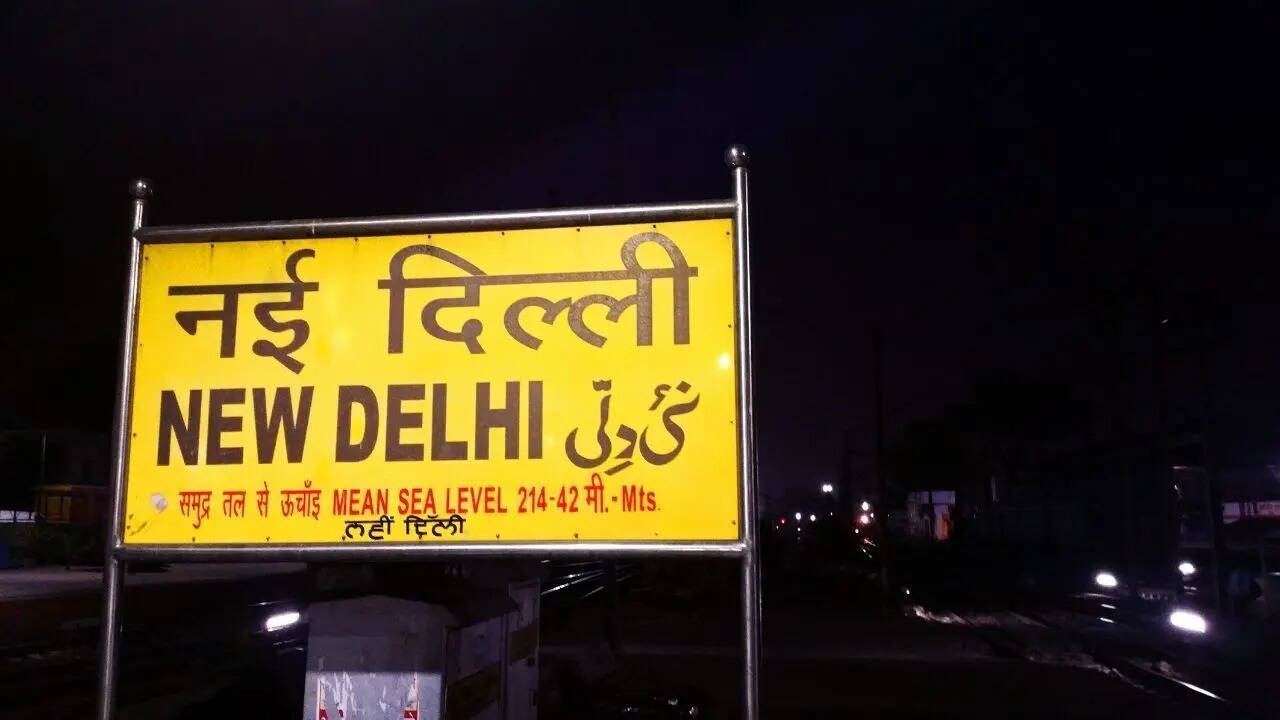
Image Credit: Canva
Redevelopment and the future of the district
Like many major transit hubs globally, New Delhi Railway Station has also become the focus of redevelopment initiatives aimed at modernising infrastructure and improving passenger experience to make it more advanced with modern infrastructure and facilities.Urban planners increasingly view railway stations as centres of integrated development rather than standalone transport facilities. Redevelopment plans often include commercial complexes, improved public spaces, pedestrian infrastructure and enhanced multimodal connectivity.Such upgrades will help influence the nearby property markets by improving accessibility, attracting businesses and encouraging new investments. The station’s future is therefore likely to remain closely linked with the evolution of Delhi’s real estate landscape.
More than a railway station
New Delhi Railway Station is much more than a collection of platforms and tracks. It is a living archive of India’s social and economic transformation. It has witnessed the movement of generations, fuelled the growth of entire neighbourhoods, strengthened commercial activity and shaped real estate patterns across the capital.Its legacy extends beyond transportation. Every arriving train has brought new residents, new businesses and new opportunities. Every departing train has carried stories of ambition and achievement. In doing so, the station has helped create the Delhi we know today – a city whose growth has been powered not only by government institutions and business districts but also by a railway gateway that never stopped connecting people, places and possibilities.