
6 min readHyderabadUpdated: Jul 2, 2026 05:06 PM IST
Sex education has always been looked down upon in India, and the peculiar thing is that nobody seems entirely sure why. Is it the act itself that makes people uncomfortable, or simply the curiosity that surrounds it? Nobody tries to find out. On the other hand, there is a particular kind of comedy that works best when the person least qualified for a job is put in charge of it. Super Subbu, Netflix’s first Telugu original series, has built its entire seven-episode run around that gap. The setup works better than expected; the follow-through, less so.
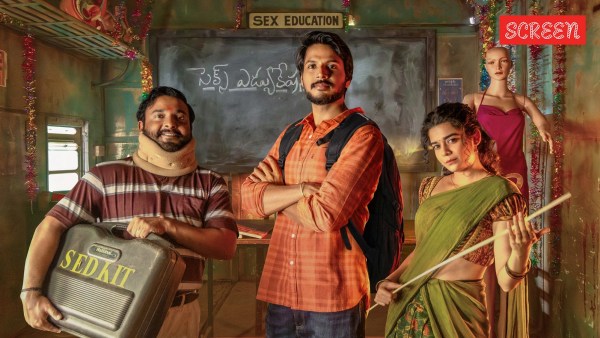
The story revolves around Maakipur, a fictional village with an unusually high birth rate, the kind of place where three children per household is the statistical norm but no one is ready to discuss why it is so. Subramanyam Chillukuri Rao, known as Subbu, is an unlucky city-raised young man who lands the job of Sex Education Officer in this very village, tasked with breaking through a wall of collective embarrassment despite having no meaningful personal or professional experience with the subject he is meant to teach. His father, played by Murali Sharma, is a strict traditional schoolteacher who has no idea what his son is actually doing for a living. Subbu must somehow hold the job, educate the village and keep the entire arrangement hidden from the one person in his life most likely to disown him for it.
One of Super Subbu’s biggest strengths is how faithfully it reflects a reality most people in India have lived through in some form. Sex education, wherever it has appeared in schools, textbooks or family conversations, has almost always been treated as either a joke or an embarrassment. Parents squirm through it, teachers rush past it with their eyes on the floor, and by the time a child grows into an adult, the subject has been avoided so thoroughly that the basics remain genuinely unclear. The series does fair justice to capturing how deeply embedded that discomfort is, showing how difficult it is to educate a room full of people without the lesson dissolving into laughter or outright hostility.
Also Read: Vijay’s Jana Nayagan eyes late July release, CBFC revisions underway
The show earns its warmth by suggesting that laughter is not necessarily the enemy. That if you lean into it, if you put genuine heart into the attempt rather than retreating at the first snigger, there is actually a chance of getting somewhere. It is not a revolutionary argument, but it is an honest one, and in a country where the subject has been avoided this thoroughly for this long, honesty about it feels like a reasonable place to start.
The comedy lands well, particularly in scenes where Subbu’s complete lack of qualification collides head-on with the village’s collective refusal to engage with the subject he has been sent to teach. Sundeep Kishan’s casting is one of the series’ better decisions. His Subbu is not a fool but a fundamentally decent person dropped into a situation well beyond his competence, a distinction the show is careful to protect so the audience keeps rooting for him even when the jokes are at his expense.
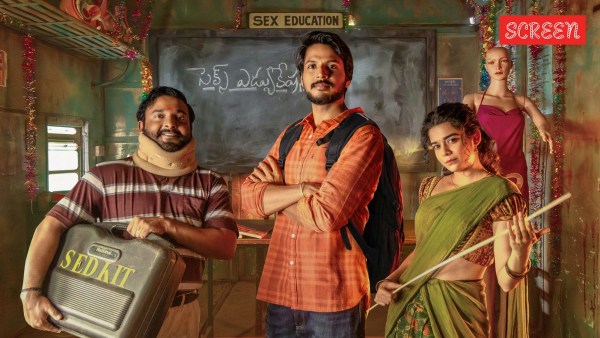 Sundeep Kishan and Mithila Palkar-starrer Super Subbu is streaming now on Netflix.
Mithila Palkar plays an aspiring influencer who wants to become an actor, and brings the kind of relaxed, naturalistic presence to the role that she has made her signature across her earlier work. The emotional moments, particularly in the sequences between Subbu and his father and in Palkar’s quieter scenes, land with more weight than the genre usually demands. There are stretches where the show uses that genuine heart to say something real about how communities avoid conversations that matter, and those moments are when Super Subbu is at its most compelling.
Story continues below this ad
Murali Sharma as the disapproving father is exactly the right casting choice for what the story needs. His sternness is not played as pure villainy but as a specific kind of traditional rigidity that many viewers will recognise from their own families, which makes Subbu’s fear of him feel real rather than caricaturish. Brahmanandam, Getup Srinu and Sampoornesh Babu in the supporting cast collectively represent decades of Telugu comedy experience, and their involvement gives the show a confidence that less seasoned productions don’t have.
Also Read: ‘Ashamed’: Homebound cinematographer apologises a year after sexual misconduct allegations
While the heart might be in the right place, the problem is that Super Subbu opens more doors than it closes. The father-son relationship, which feels like the show’s most emotionally loaded thread, never quite resolves in a way that feels earned. The larger question of whether Maakipur actually changes, whether the taboo the show spends seven episodes confronting is genuinely dismantled or merely nudged, is left frustratingly open.
Some of the conversational threads the show sets in motion simply stop rather than conclude, while others take directions that feel disconnected from what the series seemed to be building toward. The show does bring several important conversations into the open, which is meaningful in its own right, but it often seems to stop just as those conversations are getting somewhere.
Story continues below this ad
Super Subbu deserves credit for attempting something Indian television, or rather families, has largely avoided, and for doing it with warmth and a cast that clearly believes in the material. What it cannot entirely escape is the gap between what it sets out to say and what it actually manages to resolve before the credits roll. An honest attempt at an original idea, held back by a second half that runs out of answers before it runs out of episodes.