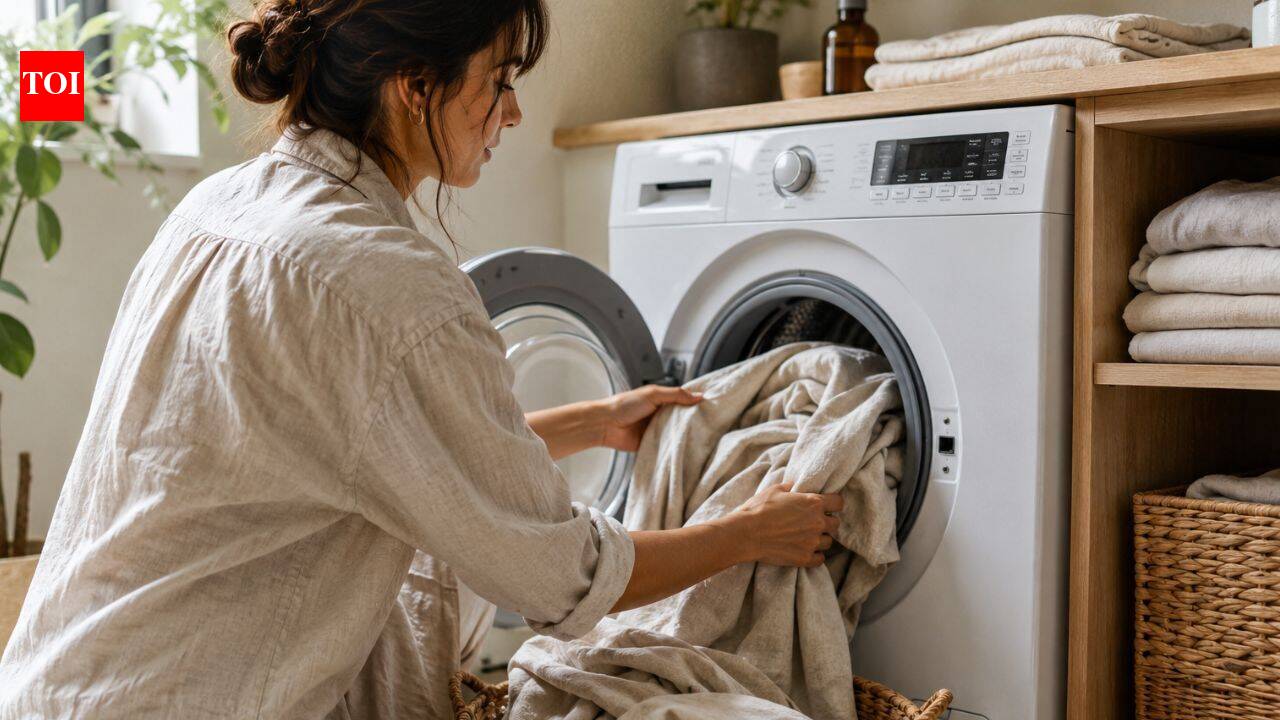
Linen has a reputation for ageing differently from most bedding fabrics. Fresh sheets may feel slightly crisp at first, yet after months of use they often become more relaxed and comfortable. That gradual change is one of the reasons many people choose linen over conventional cotton bedding.The fabric is durable, but durability should not be mistaken for neglect. Repeated exposure to high temperatures, aggressive cleaning products and unsuitable storage conditions can gradually affect how linen looks and feels. Looking after it is not particularly demanding, though it does require a gentler approach than many people realise. Bedding specialists say that a few small adjustments to washing and storage routines can help preserve the fabric for much longer.
How to wash linen bedding without damaging it
1. Clear away surface dust firstBefore loading the machine, remove the bedding and gently shake each piece outdoors or over a laundry basket. This simple step helps remove loose particles that would otherwise remain trapped during the wash cycle.2. Keep heavy fabrics separateLinen benefits from being washed alongside similar lightweight items rather than mixed with bulky household laundry. Thick towels and heavier fabrics can rub against the material repeatedly, creating unnecessary strain over time.3. Choose a mild cleaning productStrong detergents are rarely necessary for everyday linen care. A gentler formula is usually enough to clean the fabric while helping it retain its natural texture. Products containing harsh bleaching agents are best left out of the routine.4. Wash at moderate temperaturesExtreme heat can be hard on natural fibres. Cooler or moderately warm water is generally preferred, as it cleans effectively without placing additional stress on the material.5. Leave room inside the drumAn overfilled machine can prevent bedding from moving properly. Giving linen enough space allows water and detergent to circulate more evenly through the fabric.6. Remove it promptly after washingOnce the cycle finishes, it is worth taking the bedding out fairly quickly. Leaving damp linen compressed inside the machine can encourage deeper creases and make drying more difficult.7. Allow natural drying where possibleMany people prefer drying linen on a washing line or indoor drying rack. This method is gentle on the fabric and avoids prolonged exposure to heat.8. Use a tumble dryer carefullyA dryer can still be used when needed, though lower temperature settings tend to be kinder to the material. Excessive heat may leave fibres feeling rougher and can contribute to additional shrinkage.
How to keep linen bedding soft and durable
1. Give it breathable storageWhen linen is not being used, it should be stored somewhere with good air circulation. A dry cupboard or dedicated bedding shelf works well.2. Avoid trapping moistureNatural fibres generally preferairflow. Sealed plastic packaging can sometimes hold moisture around the fabric, which is why breathable storage solutions are often recommended instead.3. Accept its relaxed appearanceLinen is not known for staying perfectly smooth. Small creases and folds are part of the fabric’s character and often become more noticeable after washing.4. Skip unnecessary fabric treatmentsThe material naturally softens as it ages. Frequent use and regular laundering usually provide the softness people seek without relying on additional conditioners or treatments.5. Looking after linen for the long termCaring for linen bedding is largely about restraint rather than effort. Gentle washing, moderate temperatures and sensible storage habits tend to be enough. Treated well, the fabric gradually develops a softer feel while retaining the breathable qualities that have made linen bedding popular for generations.