
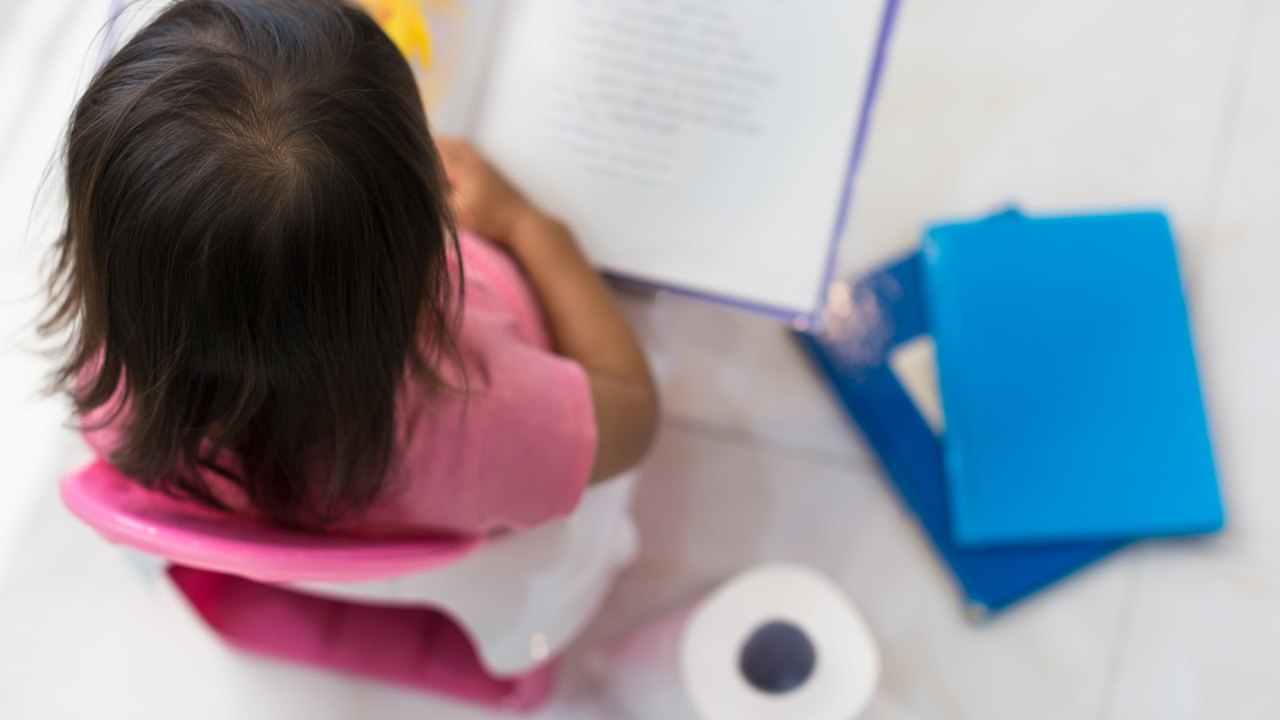
Potty training is one of the biggest milestones in a toddler’s early years, but it can also be one of the most stressful for parents. While some children get trained naturally, some take a little longer (which is completely normal). There is no magic method that works for every child. Rather than promising that your child will be fully potty trained in three days, this guide is designed to help them understand the basics and build a routine that you can continue afterward.Here’s a simple three-day kick-start that can help you potty train your kid:
6 Jul 2026 | 14:01
What factors did you consider, or would consider, before choosing the right school for your child?
Day 1: Introduce the seat and let your child learn
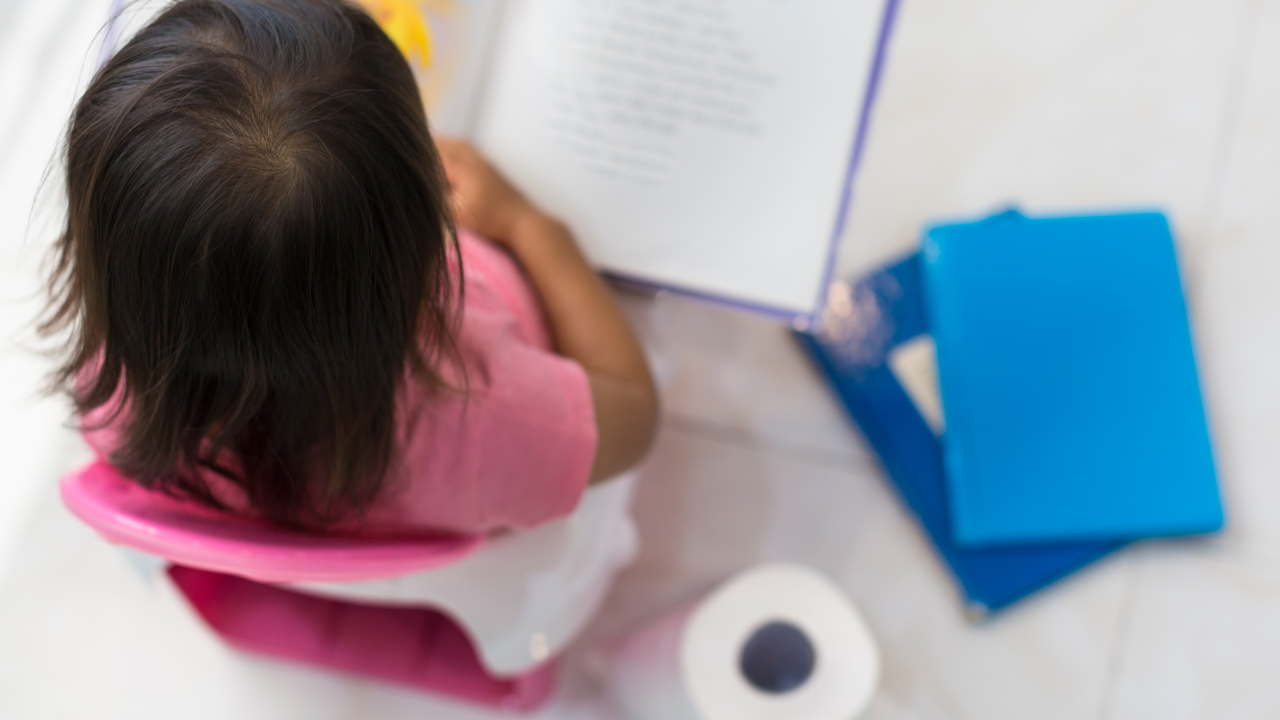
The first day is all about helping your toddler become familiar with using the potty while learning to recognize their body’s signals.
The first day is all about helping your toddler become familiar with using the potty while learning to recognize their body’s signals.Put away diapers during waking hours.Switch from diapers to loose underwear or comfortable pants. Some parents even choose to let toddlers stay without pants while they’re at home.Keep the potty chair nearbyPlace the potty chair where your child spends most of their time so getting to it doesn’t become a challenge.Encourage extra fluidsOffer plenty of water or other healthy drinks throughout the day. The more children feel like peeing, the more chances they get to use the potty.Watch for your toddler’s cuesEvery child gives signals before they need to use the toilet. These signs can be squatting, hiding behind furniture, holding themselves, fidgeting or crossing legs or sudden stillness.As soon as you notice the signs, calmly tell your child, “let’s sit on the potty.” Don’t make your action rushed. Instead try to sound relaxed.
What if accidents happen?
Accidents will happen, but instead of reacting with frustration, staying calm is the best way to help your child. Avoid reacting harshly, because shaming toddlers can make them anxious, and also make the learning process slower.
Day 2: Build a routine
By the second day, many toddlers begin noticing the sensation of needing to pee before it happens. Your role now is to build consistency. Making potty training part of a routine helps children feel more in control and builds confidence.Limit your outingsStaying at home can help your toddler have easy access to the potty with fewer distractions. Encourage potty visits at natural timesInstead of making them visit the bathroom every few hours, use predictable moments; such as; after waking up in the morning or before bedtime. Involve your childChildren love feeling independent, so it’s the least you can let them be. Let them be involved. For example; let them pull down their own pants, flush the toilet, wash their hands.
Day 3: Practice outside the home
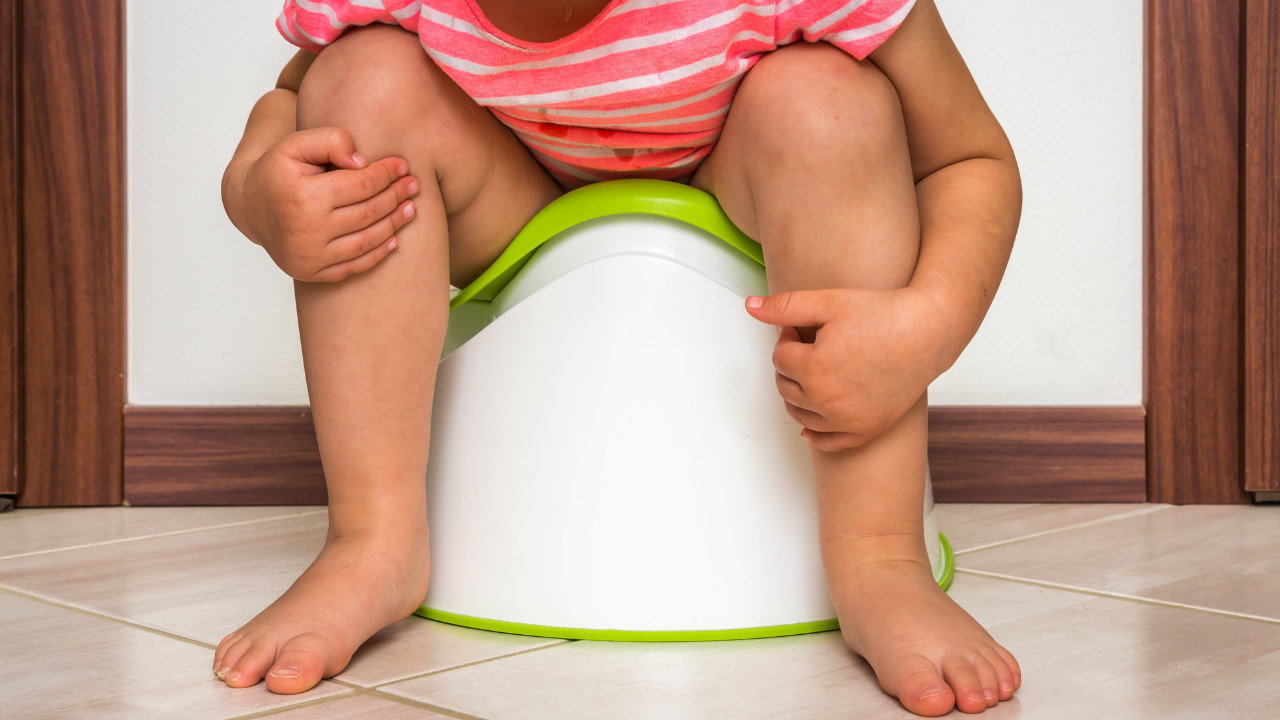
Too many reminders can cause frustration or make children ignore their own body signals.
The third day is about helping your toddler transfer their new skill into everyday life.Take a short outingPlan a brief trip lasting around 30 to 60 minutes.Before leaving:Have your toddler use the potty.Pack extra underwear and clothes.Carry wipes.Bring a portable potty or travel toilet seat if possible.Instead of repeatedly asking, “Do you need to pee?” offer occasional reminders like, “We’ll look for a potty if your body tells you it needs one.” Too many reminders can cause frustration or make children ignore their own body signals.Most importantly, every child learns at their own pace. It’s important that parents understand they don’t compare their toddlers’ progress with others. Instead of looking for instant perfection, focus on building this lifelong habit.