Women are the creators, nurturers and trailblazers, no matter the situation. They are the true example of the belief that something good comes out even from the worst of things. One such woman is Sona Bai Rajwar, a Chhattisgarh woman who pioneered an entire art form that the state is known for today.
A creator in all forms
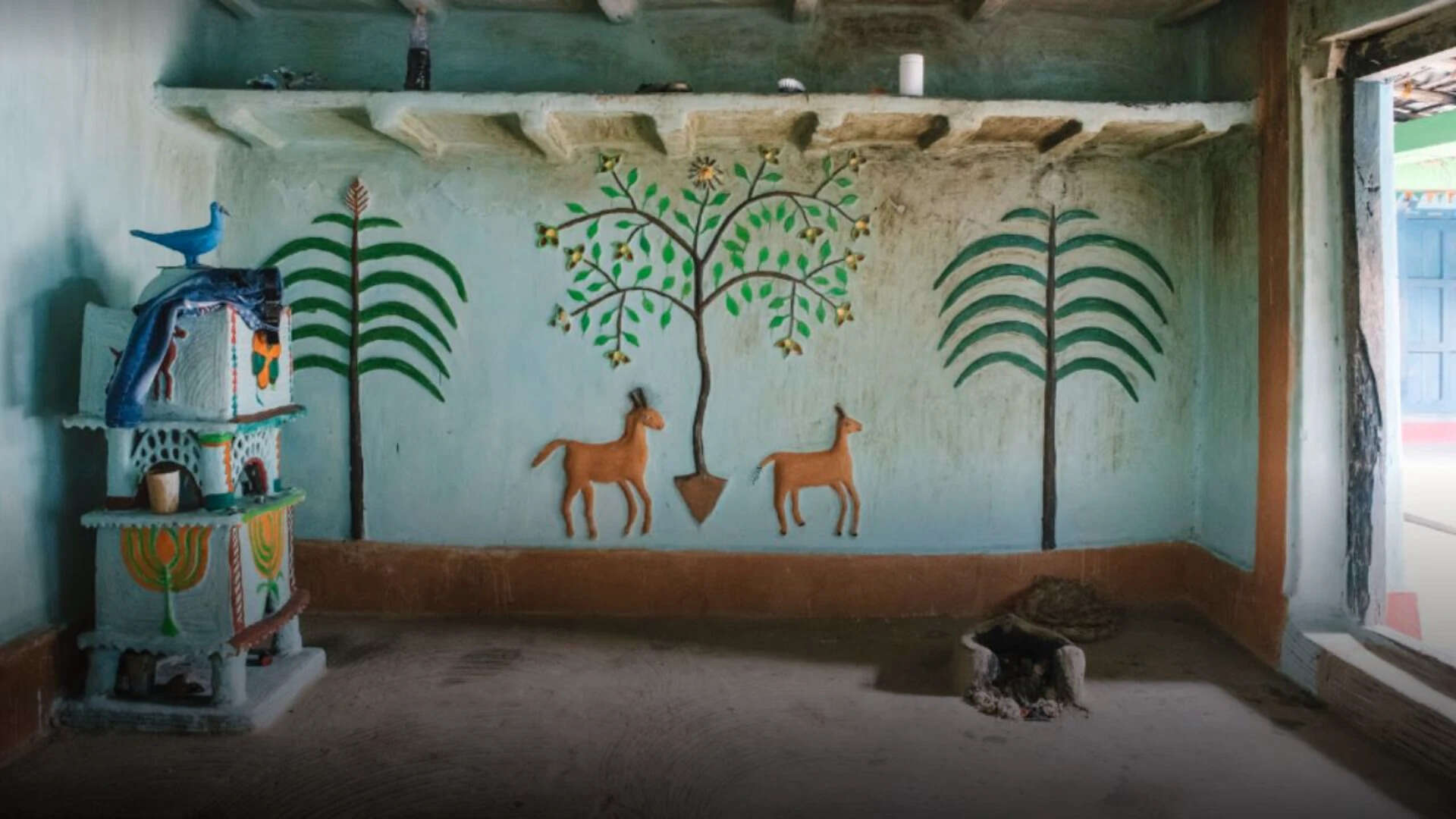
In the small village of Puhputra in Sarguja District, Chhattisgarh, Sonabai was a simple, naive, young girl who only knew village life. In the early 1940s, at a young age, she was married and sent to her husband’s home. Her husband insisted they live apart from others and enforced a code of isolation on her.For 15 long years, Sonabai lived within the walls of her small home, even when she conceived a child and gave birth to her son Daroga Ram. She did not have anyone to interact with her and nothing to occupy her time. All day, she would complete the house chores and care for her infant. She was filled with loneliness but did not want her child to be. So she dug clay from the sides of her well and made toys for him.A deer, a man, another deer, soon she created a collection whose value she would not know until years to come. Instead of falling into despair, she put together her mind, spirit and creativity to offer herself peace and satisfaction. In her art, mixing earth with water, she created shadow, forms, lives of creatures and stories of tales.She created brushes by chewing the ends of twigs till they frayed and moulded clay into structures with the earth under her feet. For colours, she used the herbs, spices and vegetables in her kitchen mixed with cooking oil.
An artist’s artwork
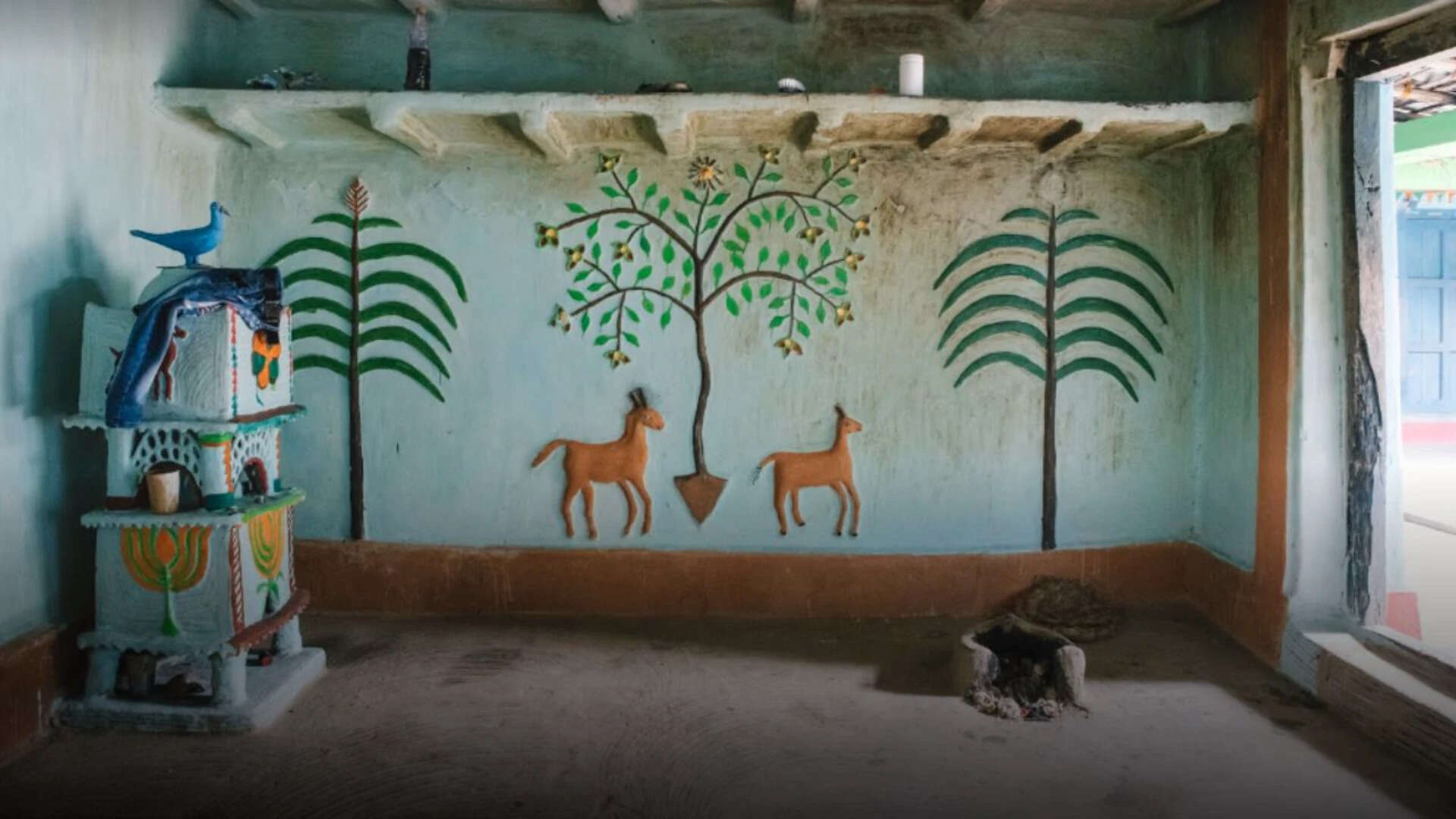
Sonabai Rajwar began her journey by making toys for her son.
Sonabai Rajawar began her journey by making toys for her son. The form, created with her hands, out of straw, clay, bamboo, and more organic materials went far beyond just a pastime for a child. Soon, she began decorating the walls of her home with artwork that seemed like it was conveying something. Hope, for her creativity and life and others. The walls came to be adorned with original, whimsical folk art which could very well be considered the work of an experienced sculptor.In 1983, researchers from Bharat Bhawan were touring villages in Chhattisgarh. Someone mentioned her name and when they walked into her home, they stood in silence, in awe of her creativity. Within months, she had a solo exhibition.Soon, she received the Tulsi Samman, one of the state’s highest art honours. Two years later, at the age of 53, she stood before the President of India to receive the National Award for Master Craftsperson. In 2009, a retrospective at the Mingei International Museum in San Diego drew record crowds. For the next two decades, her art travelled the world. It was presented in museums across Europe, Japan, the USA, and Australia.Sonabai passed away in 2007, at the age of 77. By then, the house that had once held her had become a part of India’s artistic heritage. To date, the Rajwar community of the state is known for creating clay sculptural works of figures, reliefs, screens and architectural elements pioneered by her.Her story serves as a reminder that a person’s body can be contained within the walls of a home, but their imagination cannot be controlled. It grows large enough to cross borders and reach hearts.