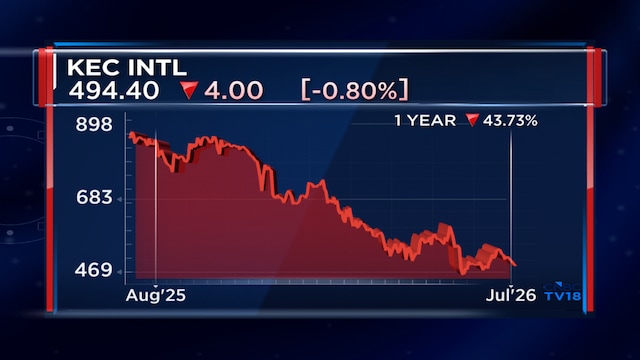
As investments in renewable energy, artificial intelligence (AI) and data centres accelerate, he believes the companies enabling this infrastructure are likely to be the biggest beneficiaries over the next several years.
Trivedi says investors should look beyond headline names and follow where capital expenditure is taking place. “Power has been on fire and will be for the next at least five to 10 years, given the absolute amount of capex that’s going in,” he said, adding that “the most action and the most interestingly is where the gigantic capex that’s actually taking place in the power space, which is in transmission.”
According to him, ancillary manufacturers supplying specialised equipment such as bushings, transformers and other transmission components are better positioned than many of the obvious names. He says several businesses are in the right place at the right time, with some capable of expanding revenues from around ₹500 crore to nearly ₹2,000 crore over the next two to three years as large infrastructure orders start flowing in.
He also believes investors should not get discouraged by expensive valuations alone. Instead, they should identify where the spending is happening and which companies are directly linked to that investment cycle. The expansion of AI infrastructure, data centres and renewable energy cannot happen without a stronger transmission network, making the sector a structural growth story rather than a short-term theme.
Trivedi says the government’s decision to allow certain Chinese suppliers into India underlines how strong demand has become. “If the government has allowed for Chinese companies… what does that tell you? Tells you that the demand is so strong that the Indian companies themselves don’t have the capability to provide and to manufacture in time some of these products,” he said. In his view, that reflects supply constraints rather than weakening demand for domestic manufacturers.
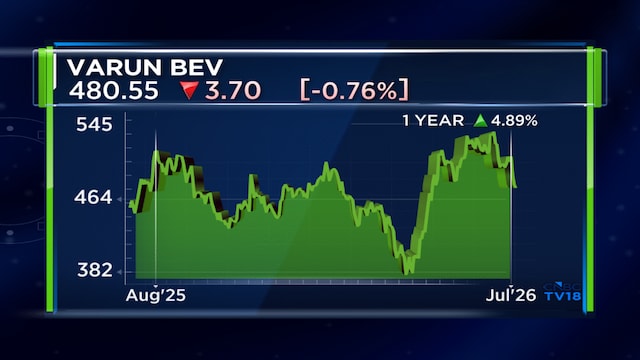
The rapid build-out of AI infrastructure only strengthens his conviction. He says the data centre business and the power sector are “joined at the hip”, as rising computing capacity will require significantly more electricity and investment in the transmission ecosystem.
While he is constructive on power infrastructure, Trivedi remains cautious on India’s information technology sector despite the sharp correction in valuations. He acknowledges that IT companies have strong balance sheets, capable management and significantly lower valuations than a year ago but says there is still little evidence that AI will have a positive impact on their businesses. “I still am not convinced. Would love to hear the commentary starting next week on what they are seeing with respect to their results, guidance, etc, but not yet, unfortunately,” he said.
Watch the full conversation here

Outside power, Trivedi believes Indian textile exporters could be approaching a bottom. He expects the sector to benefit if free trade agreements (FTAs) with the US and the European Union are signed and implemented with a clear timeline. As the world’s second-largest cotton producer, India should have a much stronger presence in the US apparel market, he argues, saying he is disappointed to see products from countries such as Vietnam, Bangladesh and even Pakistan more prominently displayed in American retail stores.
Catch all the latest updates from the stock market here