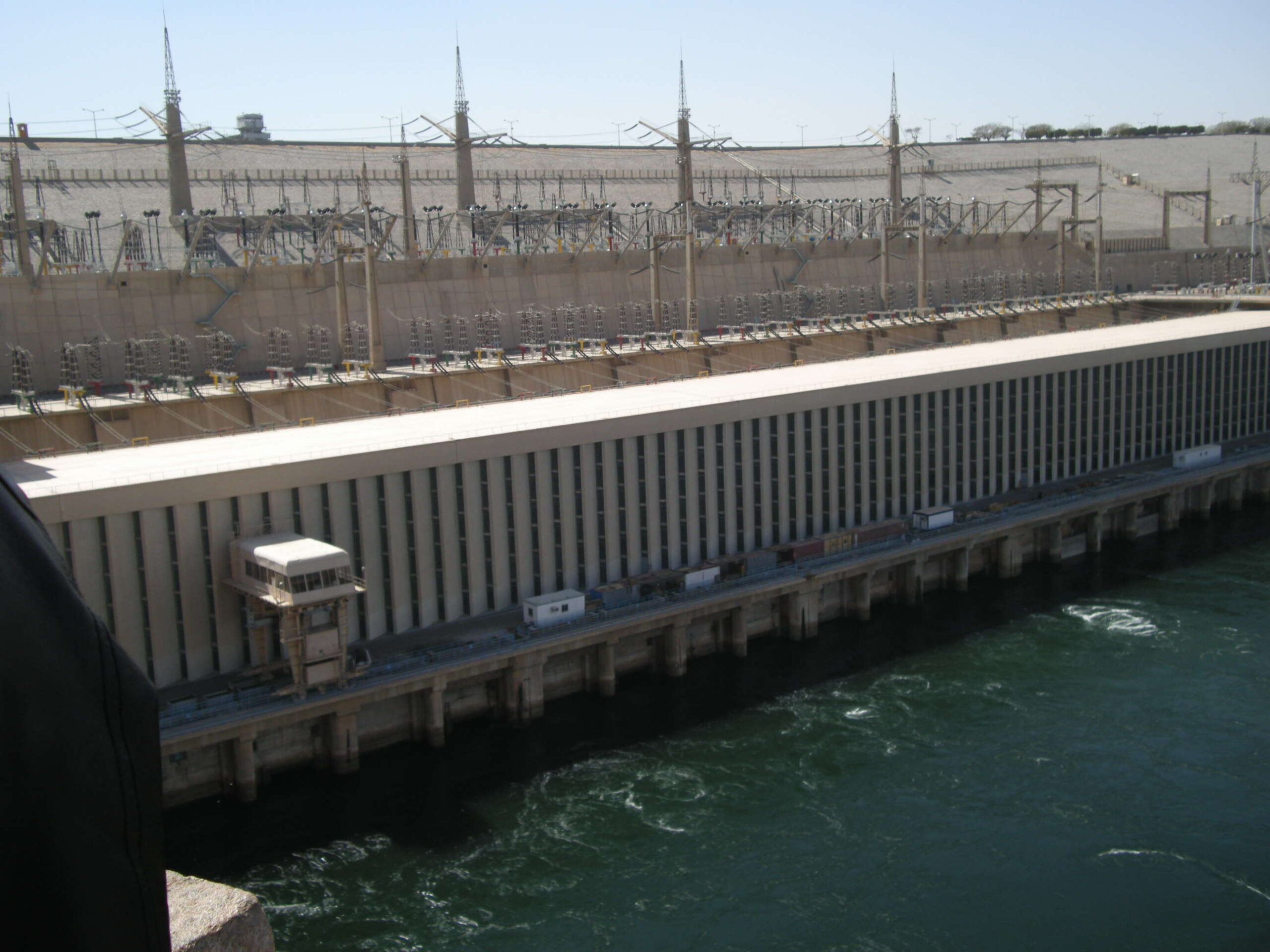
The Nile River shaped life in Egypt for thousands of years. Every year, due to rains in the distant Ethiopian highlands during the summer, there was a tremendous amount of water that flowed through the desert toward the north. This phenomenon was often regarded as a great gift. The floodwaters carried black, nutrient-rich volcanic silt.As the twentieth century advanced, the need to protect a growing population from floods and droughts drove a major engineering shift. The solution was to control the river’s flow more closely. By erecting a monumental barrier in the southern part of the country, authorities reduced seasonal volatility, secured a more stable water supply, and generated electricity for industrial development.However, one downside is serious environmental damage downstream from the dam. In fact, the findings of the thorough analysis conducted on the history of the matter, featured in the Open Journal of Soil Science, highlight negative downstream effects of the dam.Landscape deprived of its building blocksIndeed, the essence of the problem lies in the fact that the huge rock-filled barrier does an overly effective job of blocking the river’s flow. As silt-laden water from upstream reaches the reservoir behind the dam, its flow slows, and sediment settles out. As the water slows, the fertile sediment it carries settles to the bottom of the reservoir.Before the construction of the modern barrier, the river reliably transported an estimated forty million tonnes of rich sediment to the lower basin every single year. Today, that sediment flow has been greatly reduced. Without the annual deposition of this fresh, volcanic silt, the agricultural fields along the banks have rapidly lost their natural productivity. To compensate for this sudden loss of nutrients, farmers have been forced to rely heavily on artificial chemical fertilisers, which have gradually degraded the structural health of the soil and led to significant runoff pollution in local waterways.The problem becomes even worse where the river meets the sea. A research report titled Modeling the Impact of controlled flow and sediment releases for the restoration of the Nile Delta, Egypt, provides additional information concerning the harsh physical effects of a lack of mud on the coast of northern Egypt. According to the findings, the northern coast of the delta faces two dangers at once now. Because less muddy river water reaches the Mediterranean, coastal currents erode the sandy shoreline more quickly.
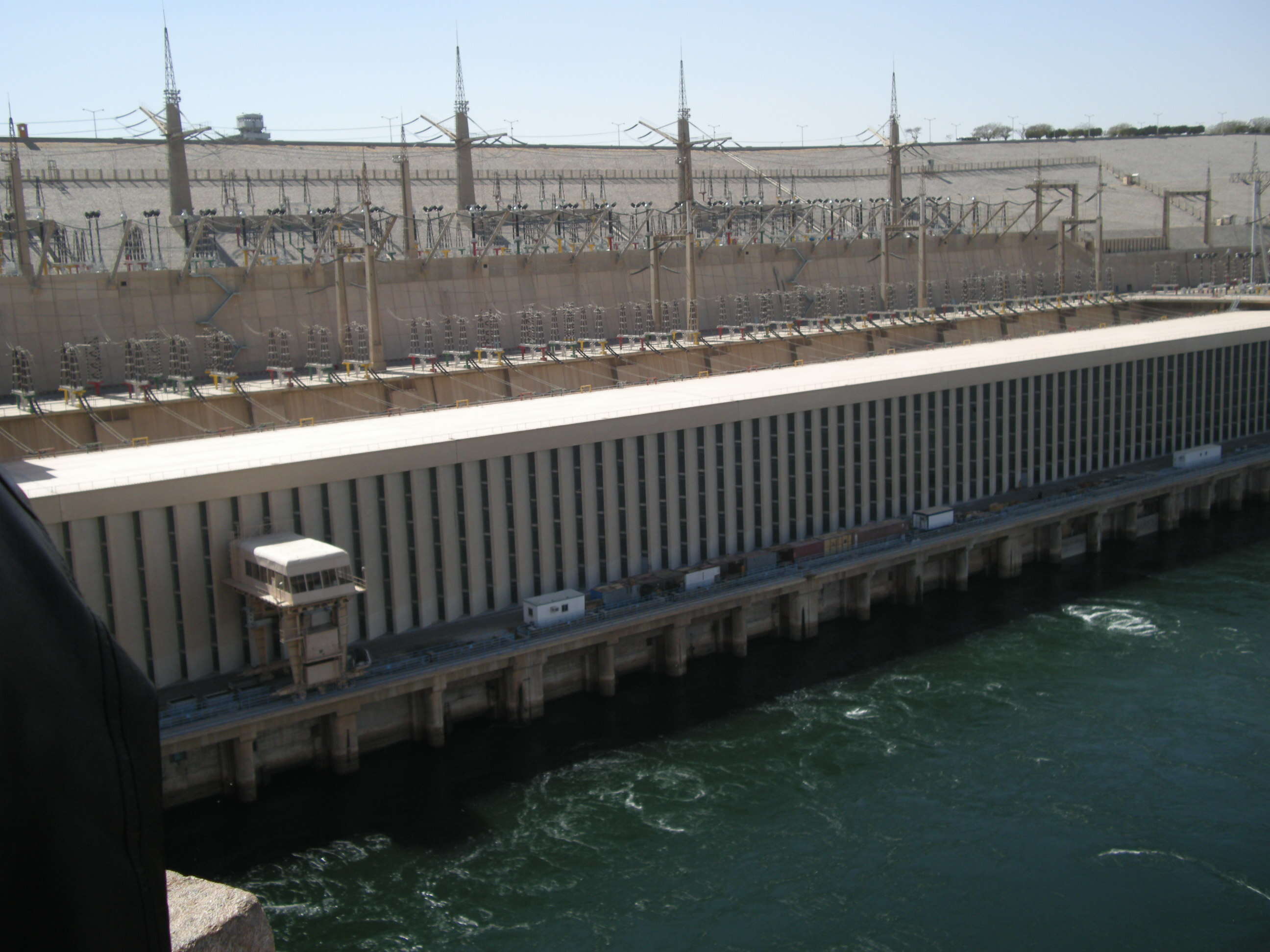
Farmers now rely on artificial fertilizers, degrading soil and polluting local waterways. Coastal erosion and land subsidence threaten the northern Nile Delta region. Image Credit: Wikimedia Commons
Sinking northern delta and rising sea levelIn addition to coastal erosion, there is another dangerous phenomenon called land subsidence. The delta’s older sediments have compacted for millennia under their own weight. In the past, this natural land sinking process could be offset by the natural sedimentation of new layers of mud from the river. Now that the sediment supply has been cut off, land subsidence continues.The lack of natural flushing has also contributed to a water quality problem across the northern farmlands. In the past, the massive seasonal floods acted like a giant broom, thoroughly washing away accumulated salts, agricultural chemicals, and domestic waste out into the open sea. Without this vital seasonal cleansing, toxic elements have steadily built up within the soil and surface waters, threatening local fish populations and rendering large sections of agricultural land highly saline.As the land surface sinks closer to sea level, pressure from the Mediterranean increases. With the amount of fresh water reduced due to the loss of the northern branches, seawater is slowly making its way back to the subterranean water sources used by millions of coastal inhabitants.These solutions have been proposed by scientists through developing management models based on controlled flows and sediments. By improving the irrigation systems in agriculture in Egypt, about ten billion cubic meters of water can be saved each year. This amount can be artificially released from the Aswan High Dam during the summers when the river floods naturally. With sediment bypassing or dredging technology to move the deposited sediments into the river, these floods can help to nurture the delta and prevent subsidence and salinity intrusion. The combination of technology and the history of the land suggests that altering a river’s natural cycle can be costly.