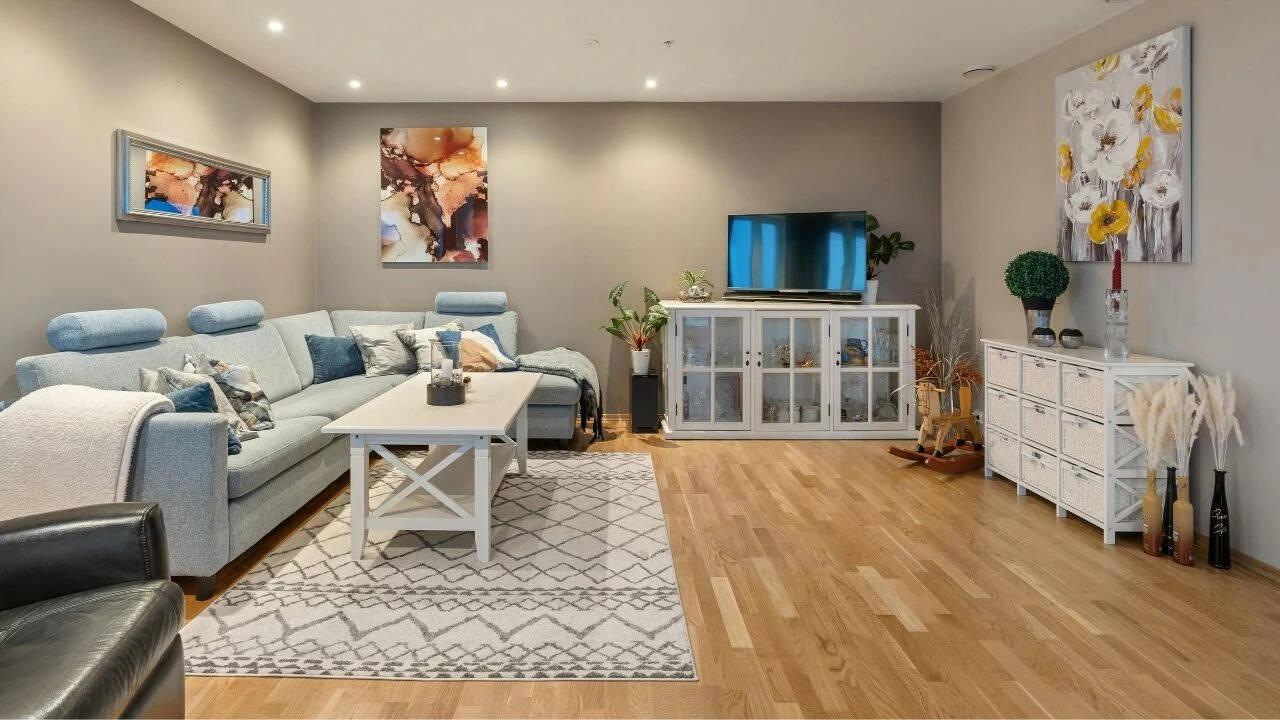
Around the world, Japanese homes have earned a reputation for feeling calm, orderly and remarkably clean. While many people assume this is because Japanese homes are larger or easier to maintain, the reality is quite different. In fact, many Japanese homes, particularly in cities, are quite small, which makes smart organisation less of a design choice and more of a necessity.What really sets these homes apart isn’t a once-a-month deep clean, but a set of small habits repeated daily. These routines are woven into daily life, often tied to cultural values around mindfulness, discipline and respect for shared spaces.Choosing to live with fewer possessionsAt the heart of the Japanese approach to home organisation is a simple idea: keep only what you actually use or love. Rather than accumulating decorative clutter or holding onto things “just in case,” many households make a habit of periodically reviewing their belongings and clearing out what no longer serves them.This mindset is reflected in ideas like danshari, a decluttering philosophy that has spread well beyond Japan, built around the principle of surrounding yourself only with things that genuinely matter. Owning less naturally translates to less dust, fewer things to wipe down and rooms that breathe better.It also changes how people shop. Before bringing something new home, there’s often a pause to ask whether it’s truly needed, and whether there’s a sensible place to keep it.
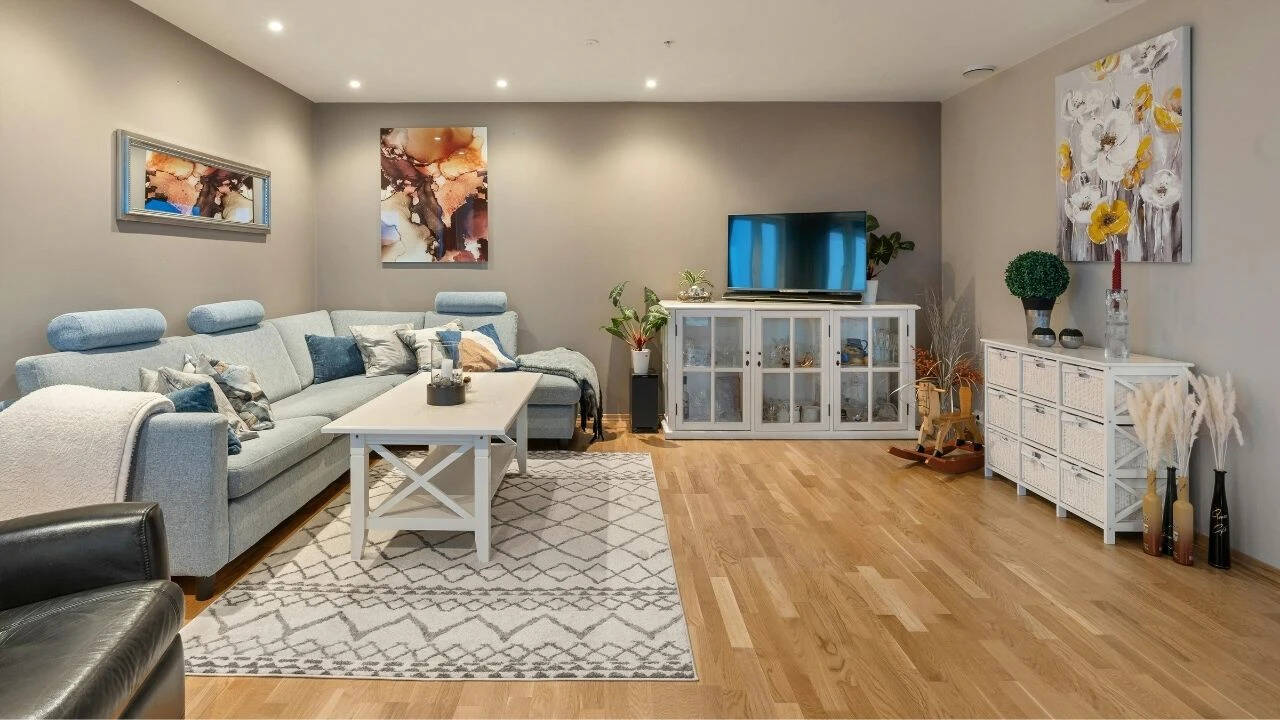
An organised living room with fewer possessions (Image Credit: Canva)
Every item has a designated placeIn Japanese households, it’s common practice for every single object, down to a pair of scissors or the TV remote, to have one specific home. After use, it goes straight back to that spot, no exceptions.This one habit does a lot of heavy lifting: it stops small piles from forming on counters and tables, and it means nobody in the household has to hunt for things.To make this work in practice, homes often rely on baskets, drawer dividers, labelled boxes and compact cabinets – tools that keep things organised without making the space feel packed or cluttered.

Every item placed on a designated place (Image Credit: Canva)
Leaving outdoor footwear at the doorPerhaps the most well-known Japanese household custom is removing shoes before stepping inside. Most homes have a designated entry space, the genkan, specifically for this purpose.The benefit goes beyond tradition – it genuinely keeps dirt, dust, germs and outdoor moisture from spreading through the house, which means floors need far less scrubbing and vacuuming.It’s also common for households to keep a stash of indoor slippers for visitors, sometimes with a separate pair just for the bathroom, to keep hygiene boundaries clear between spaces.Small daily cleaning habits make a big differenceInstead of saving up chores for a big weekend clean, many Japanese households handle mess as it happens, wiping the counter right after cooking, putting things away the moment you’re done with them, sweeping up visible dust before it spreads.Because these small actions happen continuously, cleaning never piles up into something overwhelming. The home stays tidy day to day without anyone needing to set aside hours for it.Underlying this is a simple belief: it’s far easier to maintain order than to fix disorder once it’s taken hold.
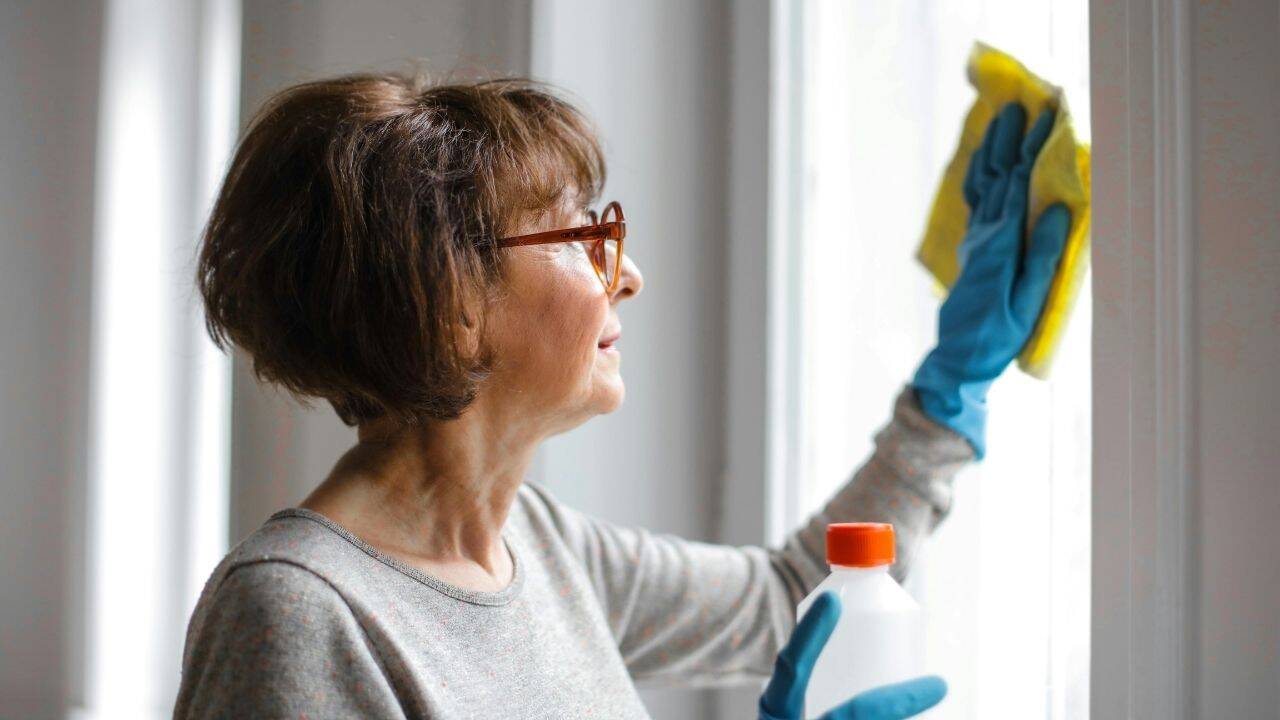
Image Credit: Canva
Bringing something new? Let something old goMany households also follow a version of the “one in, one out” rule. Buy a new sweater, and an old one goes to donation. Bring home a new kitchen gadget, and something unused makes way for it.This keeps the total volume of belongings roughly constant over time and nudges people toward buying more intentionally. It also stops closets, drawers and cabinets from slowly filling up until they’re overflowing.It’s a technique many professional organisers point to precisely because it avoids the need for occasional, exhausting decluttering marathons.Keeping flat surfaces clearCounters, desks, tables and shelves are notorious for turning into dumping grounds – mail, keys, bags, receipts, all piling up. Japanese homes tend to actively resist this by treating flat surfaces as spaces that should stay empty by default.Everyday items get put away as soon as they come in the door, rather than parked “for now.” The payoff is twofold: cleaning goes faster, and the home visually reads as more open and spacious, even when square footage is limited.There’s also a quieter benefit – a clear, uncluttered space tends to support a clearer, calmer state of mind.Making the most of clever storage solutionsIn a country where urban living space is often tight, smart storage isn’t optional – it’s essential. Built-in cupboards, under-bed drawers, stackable bins, sliding cabinet doors and multi-tiered shelving all help squeeze more function out of limited square footage.Vertical space gets used just as much as floor space, with wall-mounted storage a common sight. The goal is always the same: keep everyday items within easy reach while everything else stays out of view.
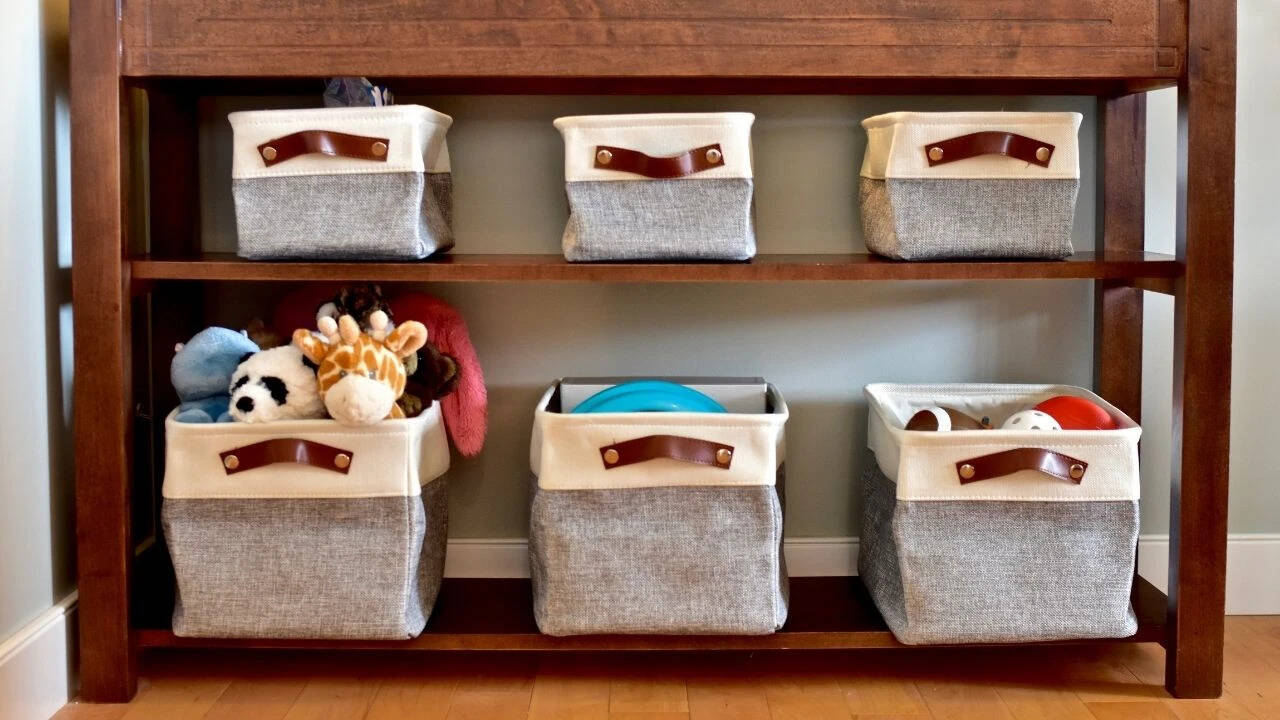
Image Credit: Canva
Refreshing the home with seasonal declutteringRather than letting unused items quietly pile up year after year, many households build in a seasonal check-in, often timed to the change of seasons, to sort through what they own.Clothes, bedding and seasonal décor get cleaned, sorted and properly stored, while anything no longer needed is passed on or discarded. It’s a natural checkpoint that keeps storage from becoming a dumping ground.It also doubles as a chance to tackle spaces that are easy to forget about the rest of the year – the backs of closets, storage bins, overhead cupboards.Caring for shared spaces togetherIn Japan, keeping things clean is rarely seen as one person’s job, it’s treated as a collective responsibility. This starts early: Japanese schoolchildren regularly clean their own classrooms rather than leaving it entirely to custodial staff.That same spirit carries into the home. Everyone is expected to clean up their own mess, put things back where they belong, and pitch in with chores.When the load is shared, clutter has less chance to build up in the first place, and cleaning stops feeling like a burden that falls on just one person.
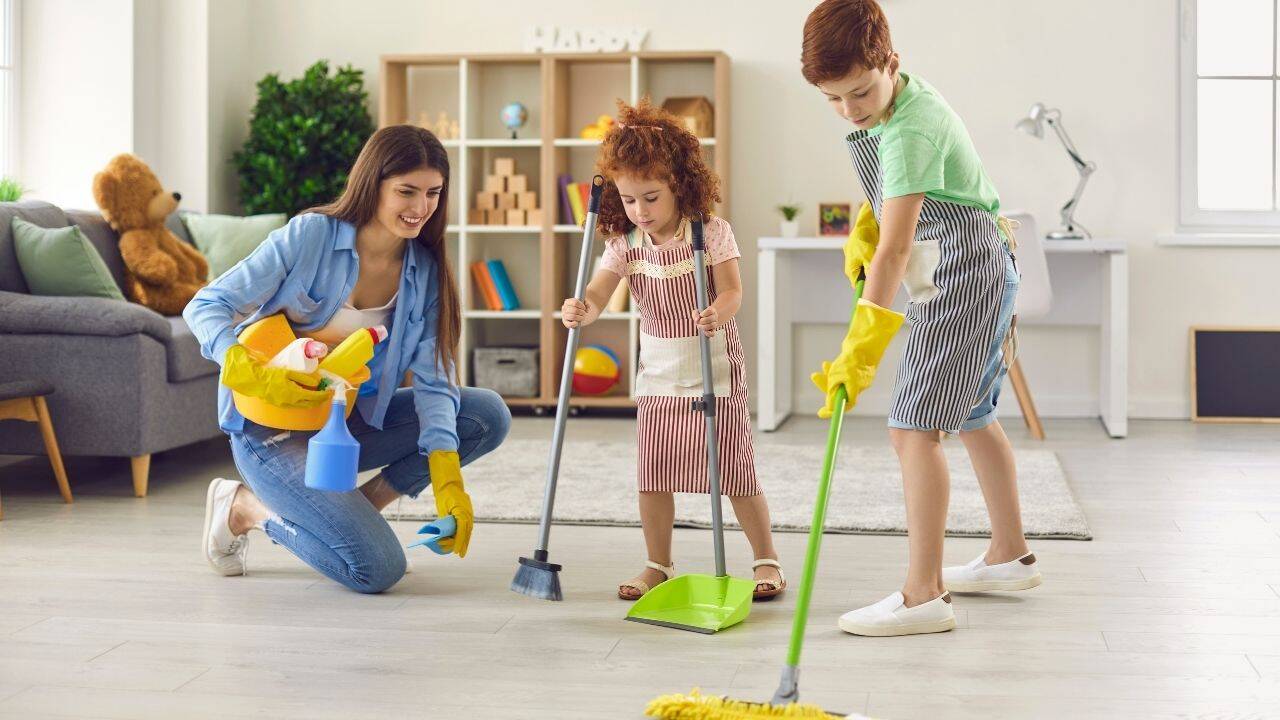
Image Credit: Canva
Furniture that serves more than one purposeLiving in compact spaces has pushed multifunctional furniture into the mainstream across Japanese homes. Beds with built-in storage, folding dining tables, stackable chairs and ottomans that double as storage boxes all help stretch limited floor space further.The traditional futon is a good example of this thinking in action – folded away each morning, it frees up a room to serve an entirely different purpose during the day. Contemporary apartments carry the same logic forward with furniture designed to shift roles as needs change. By choosing furniture that pulls double duty, households cut down on the need for extra storage and keep living spaces feeling more open.The order and calm found in Japanese homes isn’t the product of costly renovations or elaborate systems. It comes from consistency, small daily habits, deliberate consumption, and smart use of the space available. Owning less, giving everything a home, cleaning a little every day, and using space wisely, together, these add up to homes that feel settled, functional and free of clutter.Not every household needs to adopt all of these practices at once. But borrowing even a handful of these habits can make everyday cleaning simpler and bring a bit more calm into the home.