
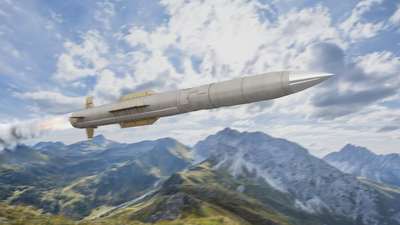
Lockheed Martin has unveiled a new lower-cost interceptor for the Patriot air defence system, aiming to help the US and its allies counter the growing threat from drones, cruise missiles and ballistic missiles without the high cost of existing interceptors.Announced at the Farnborough International Airshow on Monday, the new PAC-3 Adapted Capability Effector (PAC-3 ACE) will cost less than half the price of the company’s current PAC-3 Missile Segment Enhancement (MSE) interceptor, which costs around $4 million per missile, according to US Army budget documents. Lockheed Martin said initial production could begin within 36 months and that the missile will be developed with US and European industry partners.The move comes as militaries seek more affordable ways to replenish air defence stockpiles amid rising global conflicts, while traditional defence contractors face increasing competition from start-ups developing cheaper weapons that can be produced at scale. PAC-3 ACE: A cheaper Patriot interceptorLockheed Martin said the PAC-3 ACE has been designed as a cost-effective addition to the Patriot missile family while retaining compatibility with the existing Patriot weapon system and the US Army’s Integrated Battle Command System (IBCS). The company said the new interceptor would provide allied forces with a rapidly deployable option capable of engaging aircraft, cruise missiles, drones, and short-range ballistic missiles.Unlike conventional air defence missiles that rely primarily on explosive warheads, the PAC-3 family uses Hit-to-Kill technology, destroying incoming threats through direct impact. The new interceptor builds on the combat-proven PAC-3 MSE and Cost Reduction Initiative (CRI) variants, which are already in service with several allied nations.“American and allied warfighters need a solution that is battle-tested and budget-smart,” Tim Cahill, president of Lockheed Martin Missiles and Fire Control, said in a statement at the Farnborough Airshow. Ukraine pushes for Patriot missile productionThe announcement comes as Ukraine continues to press for greater access to Patriot interceptors amid intensified Russian missile and drone attacks.Ukraine began receiving Patriot air defence systems from the United States and European allies in 2023, with the batteries playing a key role in intercepting advanced Russian missiles. Kyiv is believed to operate around eight Patriot batteries, but Zelenskyy has repeatedly said the country needs about 25 systems to provide effective nationwide protection. He has argued that licensed domestic production would ensure a more reliable supply of interceptors while reducing dependence on overseas deliveries as the war continues.