
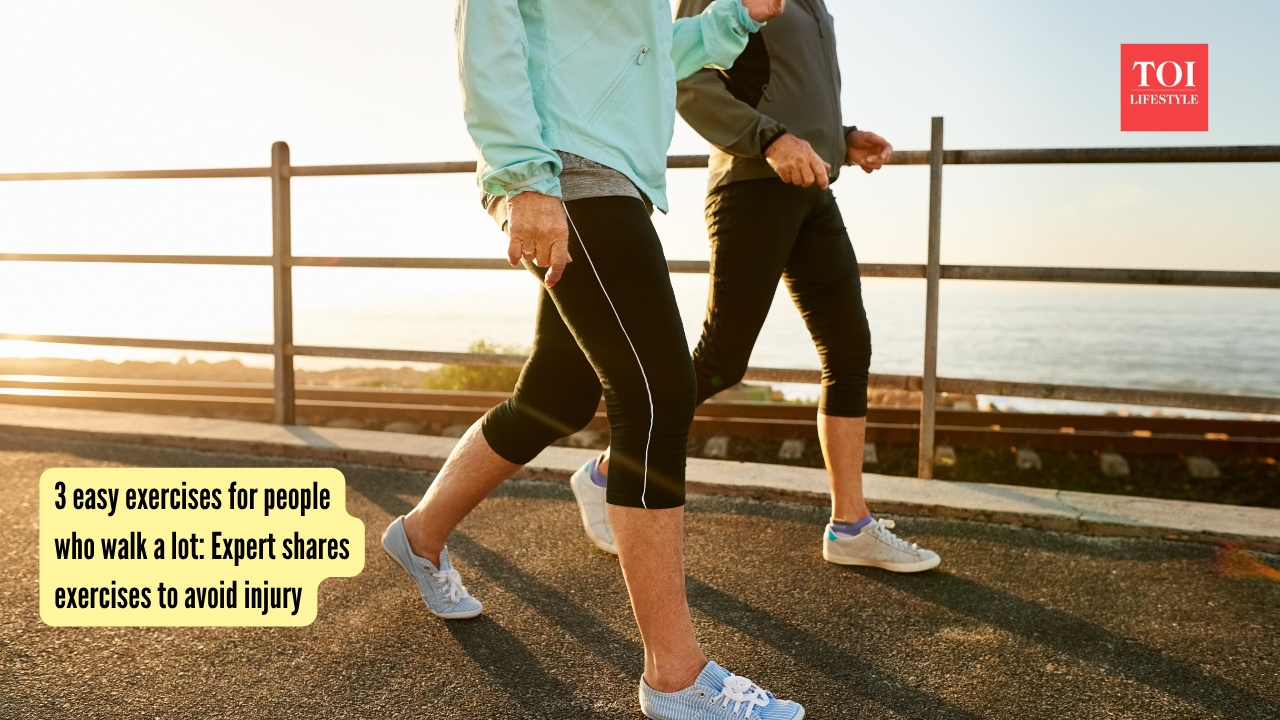
Walking often gets dismissed as the easy workout, something you do when you can’t be bothered to hit the gym. But talk to anyone who walks long distances often, and they’ll tell you it takes a toll on the body in its own quiet way.With Tight calves and achy knees, these are the kinds of issues that build up slowly, not from one bad walk, but from thousands of ordinary ones without any extra support.The truth is, walking works your muscles more than people give it credit for, and like any repeated movement, it deserves a little maintenance.A personal trainer revealed that a small handful of targeted exercises can make a real difference in comfort and performance, and that people who walk a lot should do.
Representative Image
Walking works more of your body than you think
Louis Chandler, a fitness expert, shared with fit and well that walking is one of the most underrated forms of movement, being low-impact, accessible, and effective for overall mobility. He adds that it also builds body awareness through better posture and stride mechanics, essential for joint health. Over time, this simple movement builds real endurance and resilience that support the body well beyond the gym.Here are some exercises recommended by the trainer:
Loosen your calves before your stride suffers
The first move Chandler recommends is a calf stretch, done by leaning into a wall with one heel grounded and the leg straight. Tight calves can throw off your gait mechanics and contribute to knee or lower back discomfort, he explains. Keeping the calves flexible supports a smoother, more balanced stride and helps maintain ankle mobility, both of which are important for staying stable and comfortable during longer walks.
Strengthen the muscles that power your stride
Next is the Romanian deadlift, which targets the hamstrings and glutes, the muscles mainly responsible for generating powerful, efficient steps. According to Chandler, strengthening these muscles can improve walking speed and stamina while reducing fatigue over longer distances. RDLs also reinforce the hip hinge pattern, which protects the lower back and supports healthier posture as you move throughout the day.
Train balance and coordination with a weighted march
The third practise is the weighted march, which involves lifting the knees alternately while holding weights at your sides. Chandler calls this a dynamic exercise that builds core stability, balance, and coordination, all essential for a strong, efficient performance.None of these exercises requires heavy equipment; dumbbells, kettlebells, or even a filled water bottle will do. What matters more is consistency.