
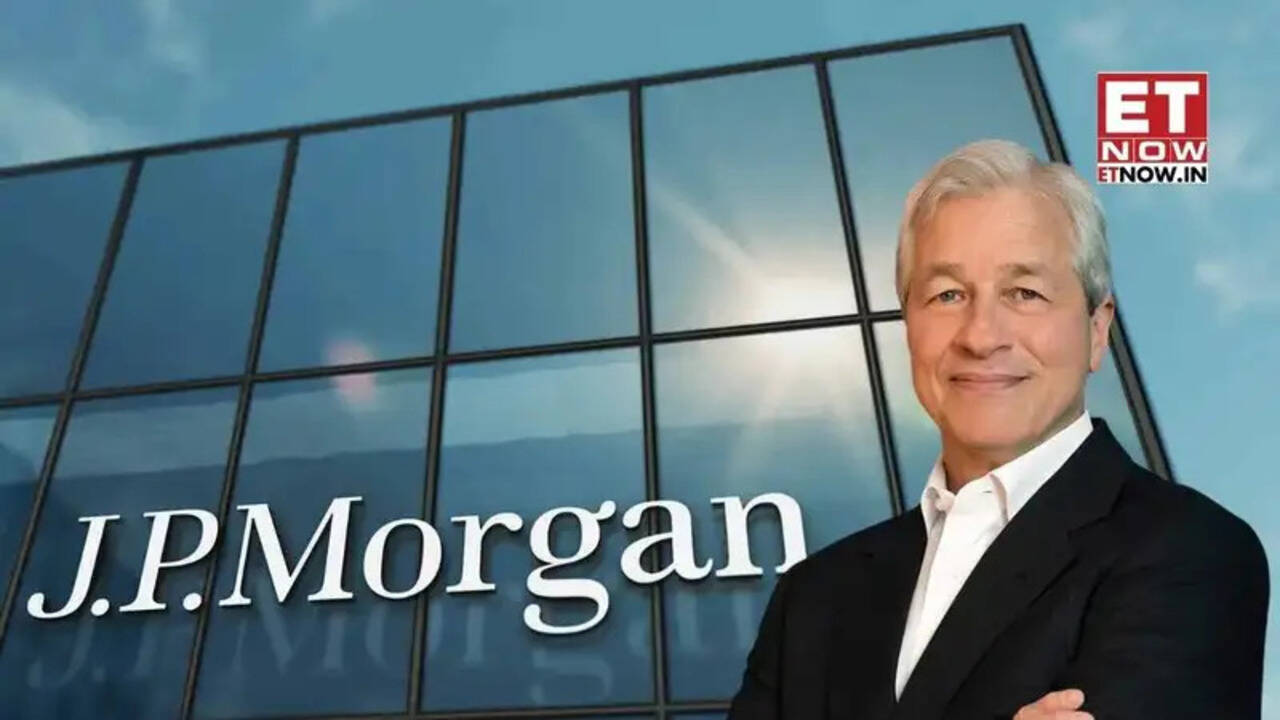
JPMorgan Chase CEO Jamie Dimon has issued a stark warning to investors, stating that he would not buy stocks or US Treasury bonds at current valuations as he believes markets are significantly underpricing major risks.
In a wide-ranging interview, the head of America’s largest bank highlighted escalating geopolitical tensions, including conflicts in the Middle East and Ukraine, US-China frictions and ballooning government deficits as key threats that could trigger market turbulence.
“I do think those risks are probably bigger than other people think,” Dimon said, pointing to rising military spending at a time of already high fiscal deficits.
Also Read | JPMorgan eyes historic $1 trillion valuation, set to become world’s first trillion-dollar bank
Markets not pricing in real risks
When asked whether markets are adequately pricing in the chance of a major shock, Dimon said, “It is possible something is baked in, but what is not baked in is what actually happens.”
While acknowledging that the global economy has grown more resilient due to lower energy dependence compared to past decades, Dimon warned that this does not eliminate the risk of a sudden negative turn, especially following earlier market selloffs this year.
Selective buyer on stocks, avoids broad market
Dimon clarified that he remains open to individual stocks only if they represent “a great investment.” However, he ruled out buying the broader market at current levels.
“Personally, no I would not be a buyer,” he stated when discussing the S&P 500 at prevailing valuations. He also confirmed he is not buying US Treasury bonds right now.
Concerns over AI spending payoff
Dimon also sounded a note of caution on the massive capital expenditure on artificial intelligence by big tech companies.
“The amount of money being spent is huge. Will it in total pay off? Probably, just like the internet did,” Dimon said. “Will it pay off the way you expect and the timetable you expect? Definitely not.”
Dimon’s comments come as geopolitical risks intensify. Oil prices have jumped following the breakdown of a fragile ceasefire between Iran and the US, with further threats emerging from Houthi actions targeting Saudi Arabia. Goldman Sachs has warned that Brent crude could spike to $120 per barrel in case of prolonged disruptions in the Strait of Hormuz.