
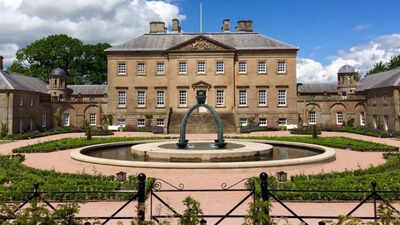
Treasures have a unique way of hiding. They don’t reveal themselves to everyone. Only those who seek them find them. That’s what was going to happen to Dumfries House in 2007. The auctioneer’s hammer was about to fall, and not many were aware of the treasure hidden inside the mansion. The Palladian mansion in rural East Ayrshire, with its 18th-century interiors and legendary Chippendale collection, was hours away from disappearing into private hands.That was the exact moment King Charles III stepped in. Not with a symbolic gesture, but with a decisive move to save it. He personally brokered a £45 million ($90m) deal to save the estate and everything inside it. The Prince deployed £20 million from his own charitable foundation. It was ‘an appalling risk’ to those watching. But the royal knew this mansion was priceless. “When Dumfries House’s desperate situation first came to my attention, I knew we had to do something to prevent a priceless treasure being lost forever,” the King said at the time, the BBC reported.The historic estate came to a brutal end when the Marquess of Bute put it on the market, with its priceless treasures up for auction. The estate was literally being broken up when Charles, then Prince of Wales and now King Charles III, learned of the situation. Art historians and conservationists were left watching priceless pieces being packed into lorries headed for London auctions.
What the rescue preserved
Pic courtesy: Facebook/ Dumfries House
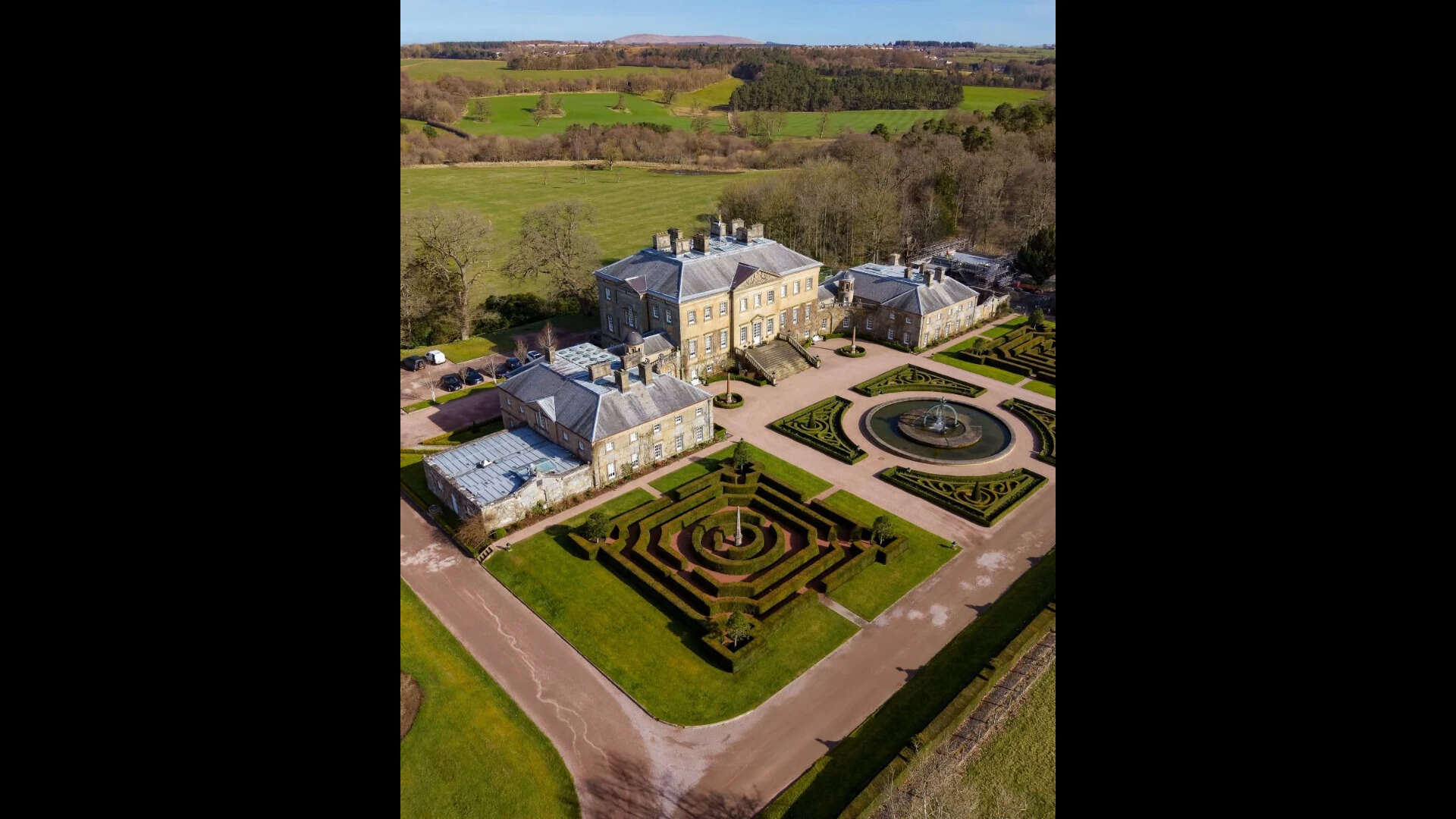
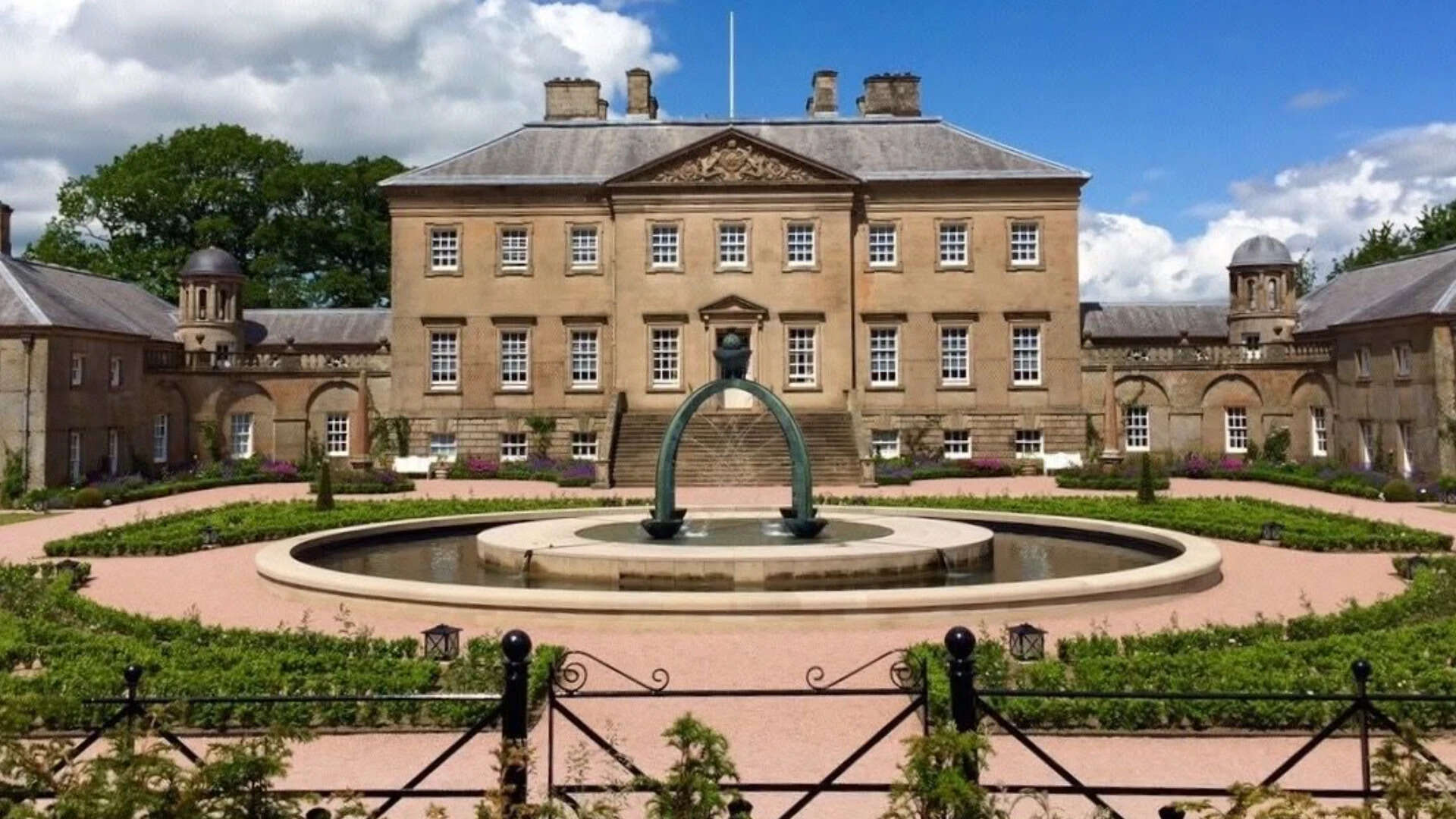
Dumfries House was built in 1759 for William Dalrymple-Crichton, the 5th Earl of Dumfries. The house was designed by the Adam brothers, and it was originally named Leiffnorris House. The Earl later decided to rename it in line with his title once construction had begun. It was subsequently passed to the Marquesses of Bute. The mansion sits on 2,000 acres of manicured grounds. Dumfries House was among the first to have electricity. The interiors are in the Rococo style. The furnishings were handpicked from the London workshop of Thomas Chippendale, and that alone is a masterclass in 18th-century furniture design. The interiors feature Flemish tapestries, Murano chandeliers, and 38 grandfather clocks dating back to 1711.
Pic courtesy: Instagram/ Dumfries House
After inheriting the estate, the Marquess of Bute added extensions to the east and west wings of the house, designed by the Scottish architect Robert Weir Schultz. Once King Charles came to the rescue, Dumfries House was refurbished and conserved. The original beauty of the interiors, along with many pieces of furniture and art, was meticulously restored. One sitting room contains £45 million worth of antiques.The best part? Visitors can get a glimpse of this magnificence. The King’s Foundation, established in 1990, made Dumfries its headquarters. The charitable estate now teaches traditional skills that the modern economy had abandoned. You will find workshops, stonework yards, textile centres, and a cookery school beyond the manor. Apprentices learn glazing, horticulture, joinery, and restoration techniques that would have seemed quaint a decade ago. Every year, around 10,000 students pass through Dumfries.Nearly two decades later, Dumfries House attracts tens of thousands of visitors year-round. The priceless antiques remain intact and accessible. Dumfries House now offers tours to visitors. You can take a 90-minute Grand Tour, which provides a detailed rundown of the house’s history and showcases its majestic interiors and rooms. A 30-minute tour is also available for those short on time. The house also provides an art tour for enthusiasts. A clock tour, focusing on the extensive clock collection, and a Chippendale tour, offering a closer look at Thomas Chippendale’s work, are among the special tours available. “We had an utterly superb tour of the house. It’s a place where history, nature and elegance come together – perfect for a leisurely afternoon. We can’t wait to visit again soon!” one visitor from last year reflected, according to the website.If King Charles hadn’t stepped in, the estate would likely have become another failed golf course conversion, or perhaps another forgotten country house in Britain.