
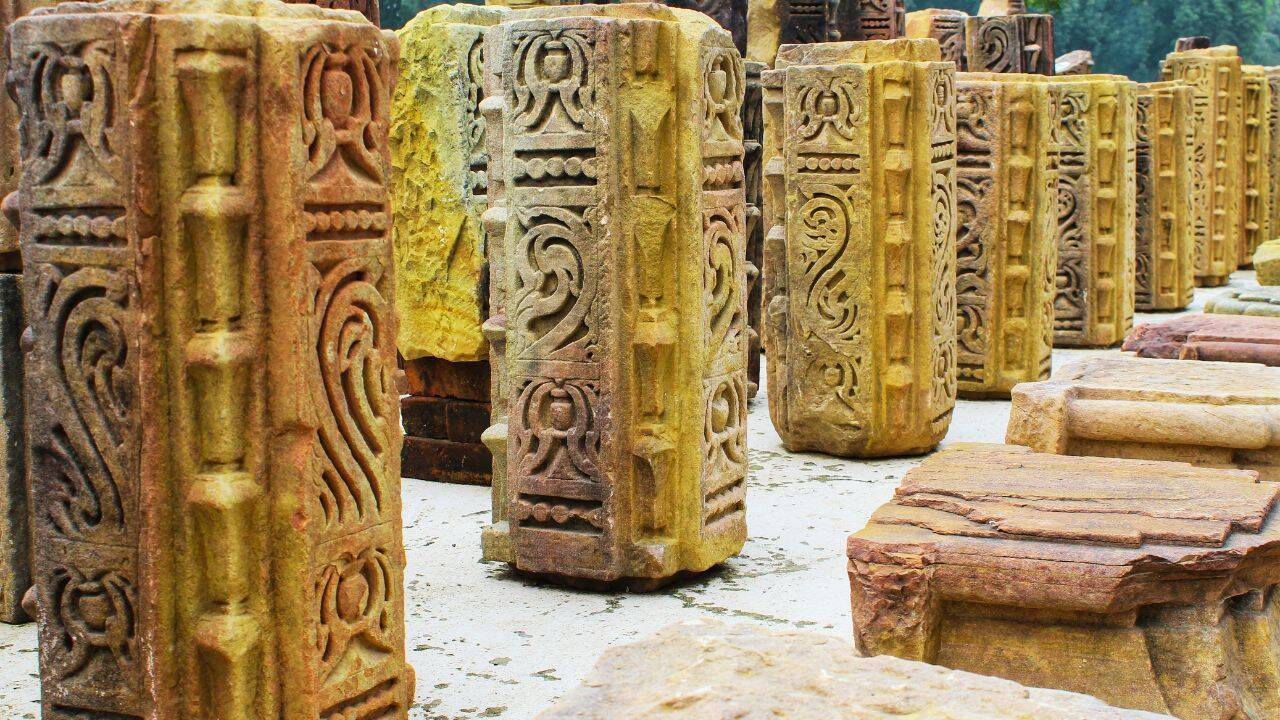
It’s a proud news for India, in fact a great one! For more than 2,500 years, pilgrims have travelled to Sarnath, Uttar Pradesh in search of peace, spirituality and wisdom. But today, one of Buddhism’s holiest destinations has received global recognition. The Ancient Buddhist Site of Sarnath in Uttar Pradesh has officially been inscribed on the UNESCO World Heritage List during the 48th session of the World Heritage Committee held in Busan, South Korea. With this recognition, Sarnath has become India’s 45th UNESCO World Heritage Site.For travellers, Sarnath has firmly established itself on the global tourism map. And now with this, the place is expected to attract a larger number of international pilgrims and history enthusiasts.Why Sarnath is an important cultural site
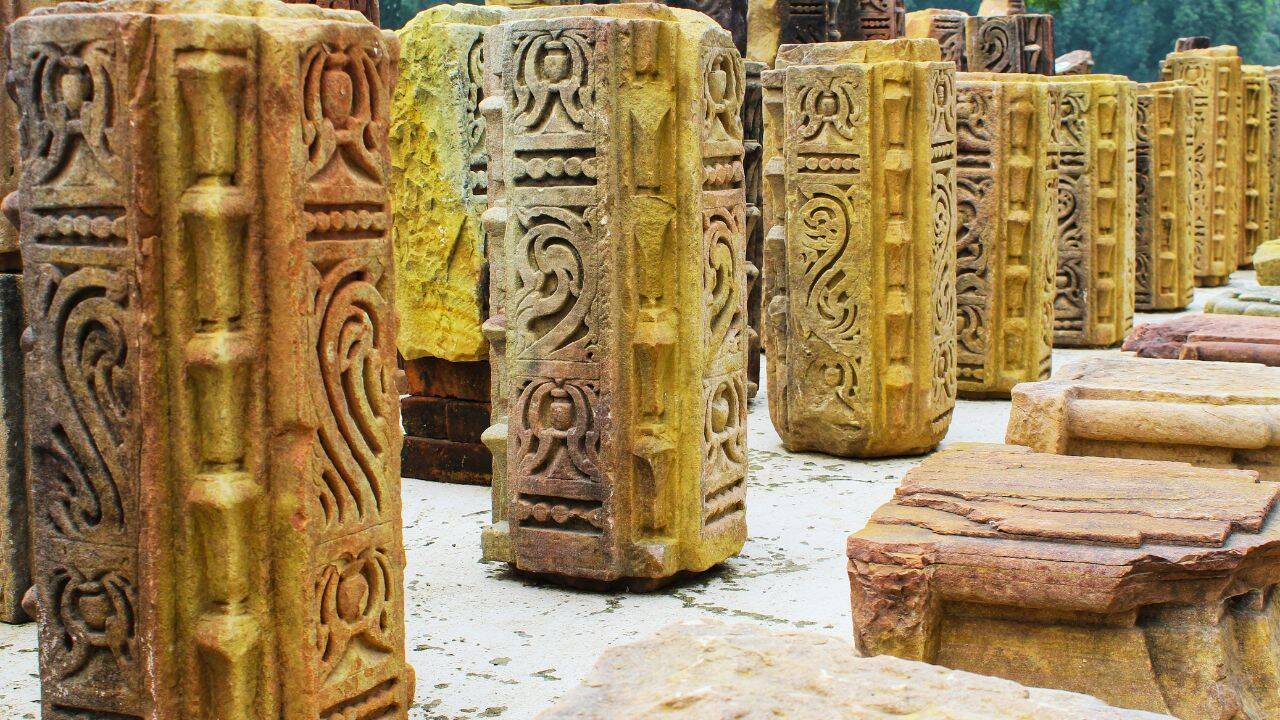
Sarnath, Varanasi
Sarnath has always been important. It is located some 10 km from Varanasi and is among the four most sacred pilgrimage sites in Buddhism.This is the very place where Lord Buddha delivered his first sermon, known as the Dhammacakkappavattana Sutta or the “Turning of the Wheel of Dharma.” Then, Sarnath was known as Isipatana or Deer Park. After attaining enlightenment under the Bodhi Tree at Bodh Gaya, this is where Buddha introduced the Four Noble Truths and the Noble Eightfold Path. The event marked the birth of the Buddhist Sangha and the beginning of Buddhism as a world religion.Connection with Emperor Ashoka
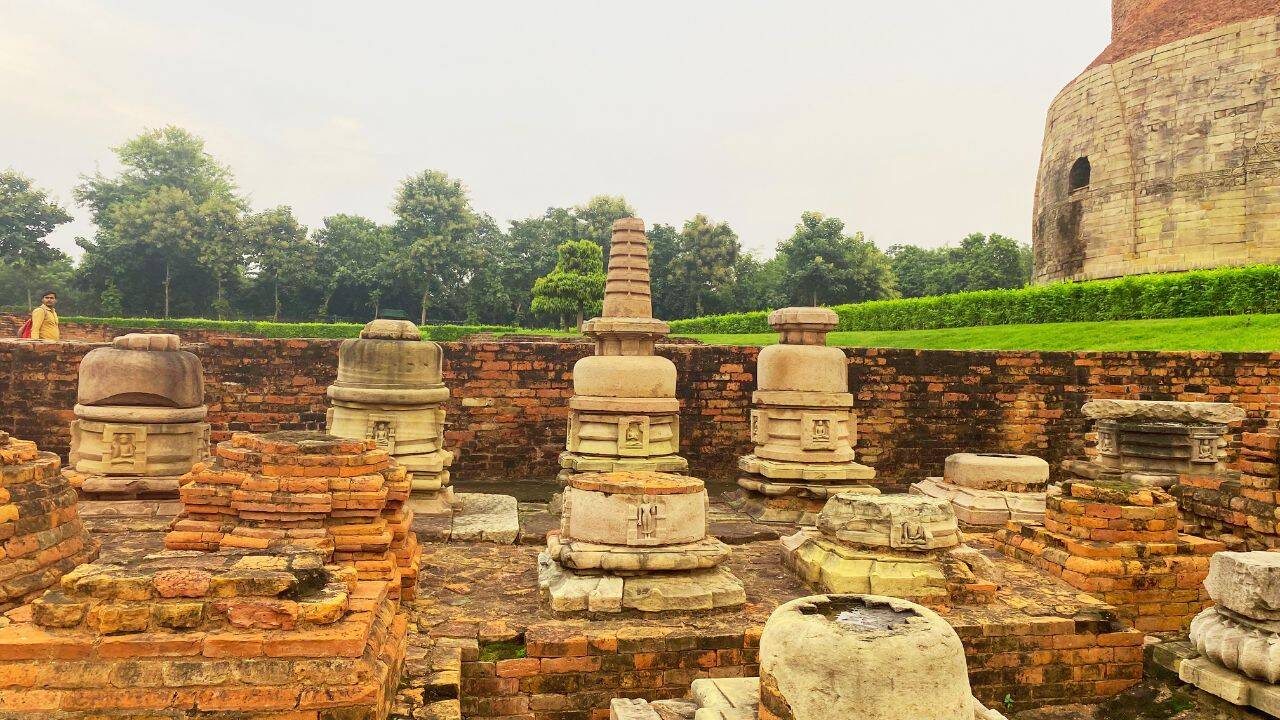
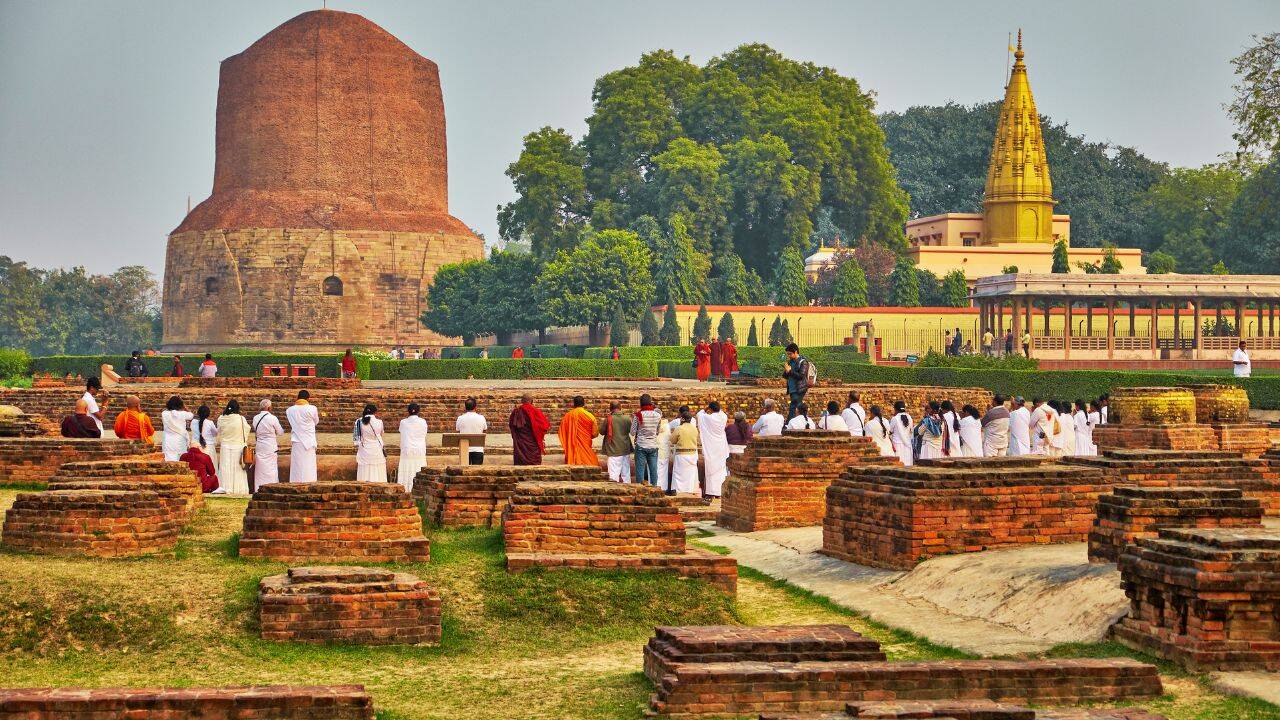
Dhamekh Stupa
Sarnath is also linked with Emperor Ashoka. He came here during the 3rd century BC. He is the one responsible for building stupas, monasteries and the famous Ashokan Pillar. The Lion Capital from this pillar later became the National Emblem of India, while the Ashoka Chakra adorns the centre of the Indian national flag.What can travellers see in Sarnath
- Sarnath is like an open-air museum of ancient India. Some of the prime attractions include:
Dhamek Stupa : The stupa was built on the site where Buddha is believed to have delivered his first sermon.- Chaukhandi Stupa: This is the place where Buddha met his first five disciples.
- Ashokan Pillar ruins
- Sarnath Archaeological Museum: It is home to the original Lion Capital which houses India’s finest collections of Buddhist sculptures.
- Mulagandha Kuti Vihara: It is a modern Buddhist temple
- Monasteries built by Buddhist communities from Thailand, Japan, Sri Lanka, Tibet and Myanmar
What happens when a site gets UNESCO World Heritage Status?
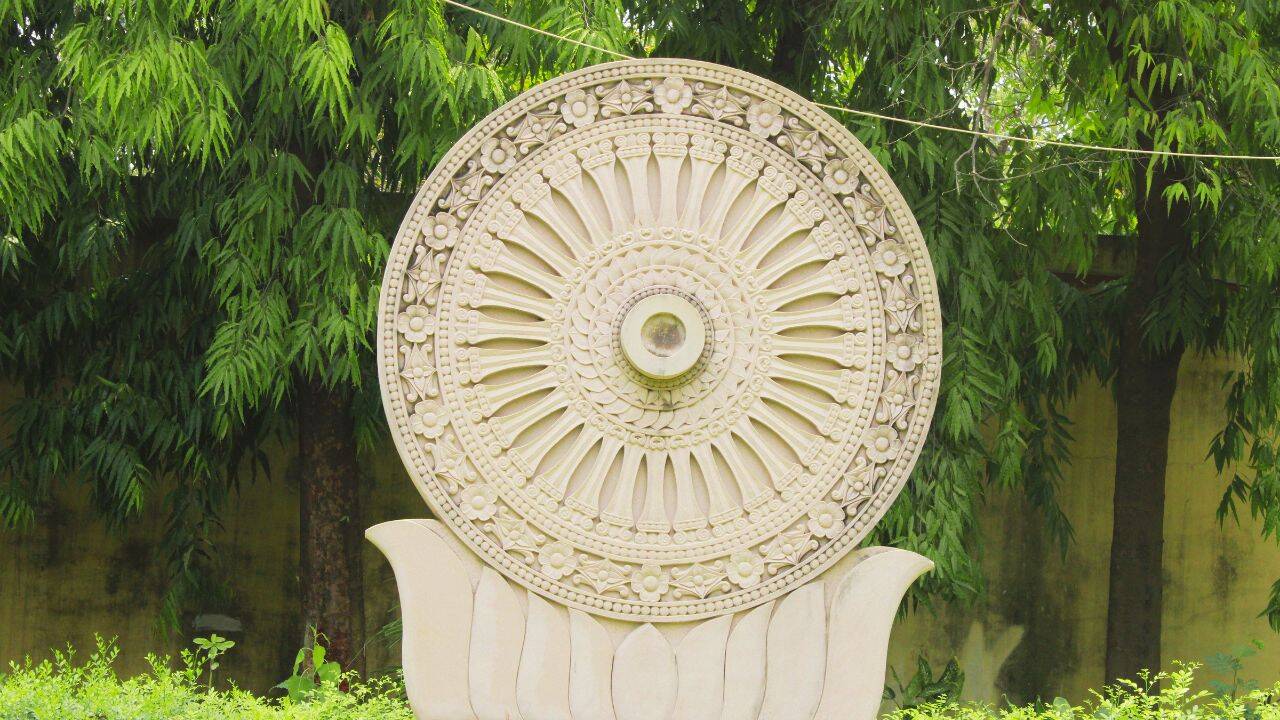
Sarnath Temple
UNESCO recognition is just not a prestigious label but often transforms the future of a heritage site.International recognition: The UNESCO designated site is officially recognised as having Outstanding Universal Value. Better conservation: The designation encourages governments to strengthen conservation measures and long-term management plans for better preservation. UNESCO also monitors the site’s condition.Boost in tourism: Many UNESCO sites witness a noticeable rise in domestic and international tourism because of the UNESCO label.Economic benefits: More visitors typically create opportunities for hotels, restaurants, guides, and local businesses, boosting the overall economy.How to Reach Sarnath
Visiting Sarnath
By Air: The nearest airport is Lal Bahadur Shastri International Airport in Varanasi. It is about 25 km from Sarnath. By Train: The nearest station is Varanasi Junction (Cantt), which is about 10 km from Sarnath. By Road: Sarnath is easily accessible by taxi, auto-rickshaw and app-based cabs from Varanasi. Sarnath, now on UNESCO’s World Heritage List, is now poised to welcome a new generation of travellers wanting to experience the place where the Buddha first shared his teachings with the world.