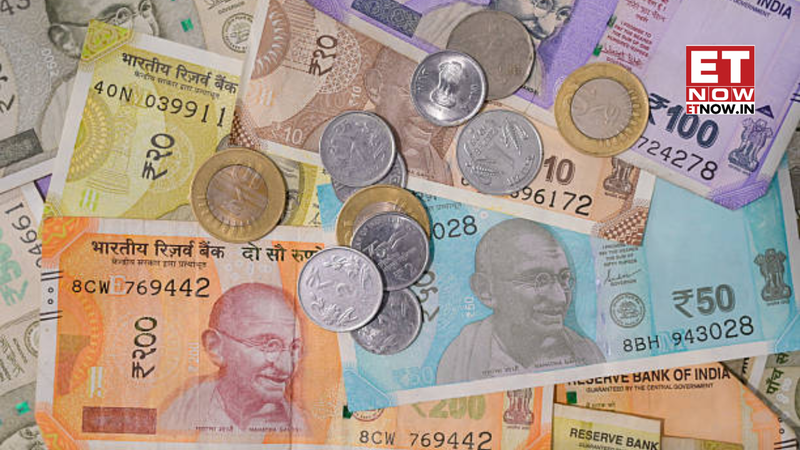
The Indian rupee faces a “realistic chance of breaching 98 this year,” with downside risks extending as far as 110 in a bear‑case scenario, as mounting global hostilities, elevated crude prices and shrinking policy buffers strain India’s macro stability, according to Bernstein. The brokerage cautioned that sustained volatility could have far‑reaching consequences, warning that it risks “setting back growth by 3–4 years,” effectively derailing the rate‑cut cycle and growth‑boosting measures that markets had been positioning for in 2026.
On Wednesday, the domestic currency slumped 29 paise to close at a record low of 94.05 against the US dollar. This marks three consecutive days of decline for the INR, which has been under heavy pressure due to high oil demand from oil companies and FPIs, keeping the dollar bid up consistently.
Meanwhile, the dollar index was down closure to 99 levels as risk was getting bought though uncertainty
keeping dollar well bid at 99, Bhansali noted.
India’s forex reserves are down to under USD 710 billion now, from a record high of over USD 728 billion just two weeks back. While on paper, that looks like a comfortable position, the worrying part is the currency component of the forex reserves – or the FCA (Foreign Currency Assets), Bernstein said.
FCA has fallen to 78 per cent from earlier position of over 90 per cent back in 2021. While the proportion could be understandable due to a surge in gold prices, the fact that the absolute value of FCA sits at 10 per cent lower than September 2024 does tell part of the story. So much of the “safety net” of the forex actually flows from gold position. While gold’s surge has mechanically boosted headline reserves, it has “greatly cut RBI’s ability to defend the rupee, since that is primarily done through dollar sales,” the brokerages noted.
Inflation Returns as ‘Familiar Nemesis’
Bernstein warned that inflation risks are resurfacing after last year’s unusually benign base. Ultra‑low headline inflation and negative food inflation in 2025, food accounts for 46 per cent of the CPI basket, had supported demand despite modest wage growth. That tailwind is now fading.
The brokerage flagged a 60 per cent probability of an El Niño, which could derail agricultural output and push inflation beyond the RBI’s tolerance band during the summer. This, Bernstein said, would mean “high rates for longer, pushing up yields and ultimately shelving a full percentage point from India’s growth”, and stressed that “this is not even the bear case.”
Markets: Vanishing Upside
The yield curve has flattened sharply over the past month, reversing much of the gains seen through 2025. According to Bernstein, this signals that “rate cuts are effectively priced out of the system,” with longer‑term implications for valuations and earnings visibility.
Beyond near‑term market damage, Bernstein delivered a stark macro warning. Sustained volatility, it said, could “set back growth by 3–4 years,” undermining the benign inflation and easy‑policy environment that could have supported 2026 growth. Even if the conflict ends within 1–2 months, the brokerage believes India could still lose around 100 basis points of annual GDP growth.
In a more adverse scenario of prolonged hostilities, Bernstein warned of a cascade effect across capital flows, inflation, rates and growth. “This is when India can realistically see it going to the post‑GFC 3 per cent growth phases,” the report said, describing such an outcome as structurally damaging for an emerging economy.
(Disclaimer: The above article is meant for informational purposes only, and should not be considered as any investment advice. ET NOW DIGITAL suggests its readers/audience to consult their financial advisors before making any money related decisions.)