
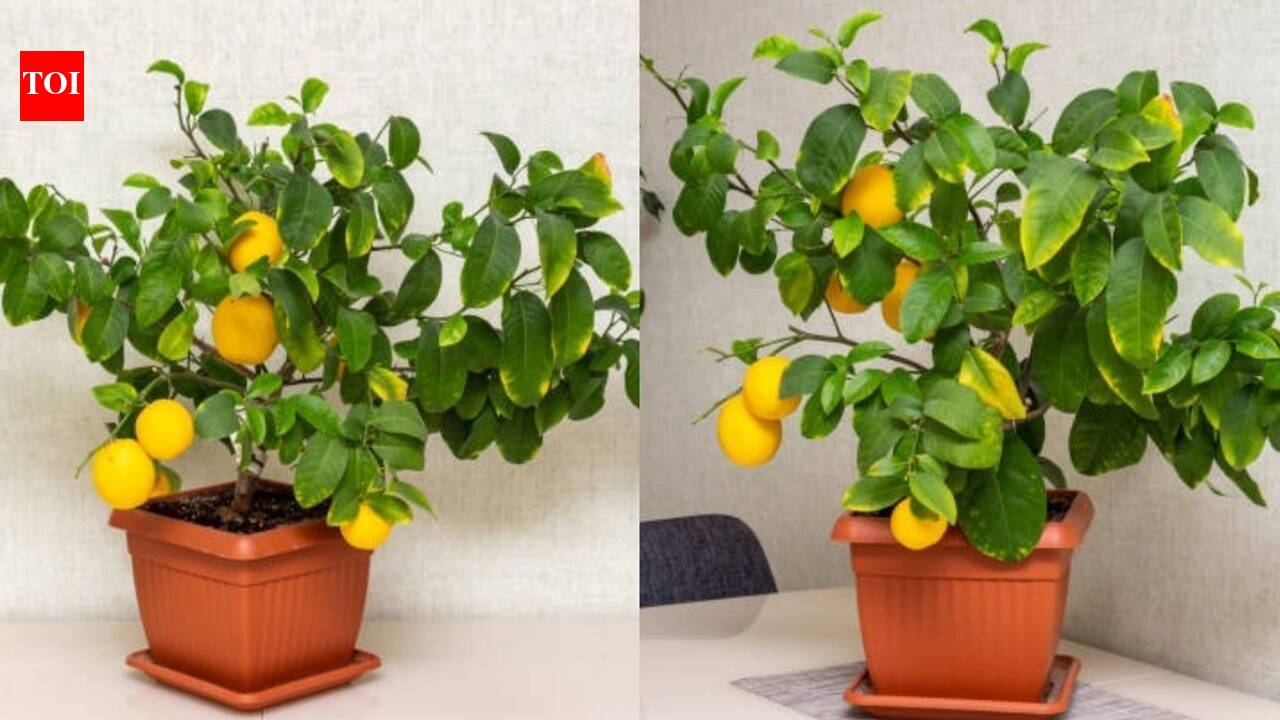
There’s a particular kind of magic in stepping onto your own balcony and plucking a ripe lemon straight off a tree you grew yourself, no sprawling orchard required. Dwarf lemon trees have quietly become one of the most rewarding additions a small balcony or terrace can make, precisely because they ask for so little in return for what they give back. A sunny corner, a decent pot, and a bit of consistency is genuinely most of what it takes, and in exchange, they offer fresh fruit, fragrant blossoms, and a small green anchor for a space that might otherwise just be concrete and railing.
Why dwarf doesn’t mean diminished
The word “dwarf” tends to conjure up images of a stunted, underwhelming plant, but that’s not really what’s happening with these trees. Citrus trees suited to pots are typically created by grafting a standard citrus variety onto a dwarfing rootstock, and the roots are what restrict the tree’s overall height, not the size or quality of the fruit it eventually produces. In practice, that means a tree standing just two to four feet tall can still produce full-sized, completely normal lemons, which is exactly what makes the format so well suited to a balcony that could never accommodate a full-grown citrus tree.
Which variety actually suits your balcony
Not every citrus variety translates well to Indian container gardening, but a handful genuinely do. Meyer lemon, a naturally sweeter cross between a true lemon and a mandarin, tends to top most recommendation lists for its thin skin, fragrant blossoms, and near-constant cycle of flowers and fruit throughout the year. For Indian growing conditions specifically, Calamondin orange, Kagzi lime, and Kinnow mandarin round out the list of dwarf citrus that adapt comfortably to Indian climates, all staying compact enough for a medium-sized container while still delivering a genuinely usable harvest.
Getting the light and container right
Citrus trees are unapologetically sun-hungry, and skimping on light is the single most common reason a potted lemon tree fails to fruit. A spot that gets at least six to eight hours of direct sunlight daily is close to non-negotiable, with a south-facing balcony generally offering the best exposure, ideally with a little relief from the harshest afternoon sun in peak summer. The container matters just as much: a pot at least twelve to sixteen inches in diameter gives the roots enough room to establish properly, and well-draining, slightly acidic soil, whether a dedicated citrus mix or a blend of compost, perlite, and peat, keeps the roots from sitting in water they don’t want.
A feeding and pruning routine that actually works
Once the basics are in place, a dwarf lemon tree doesn’t ask for much beyond a consistent routine. Feeding every three to four weeks through the growing season, roughly spring through monsoon, with a liquid citrus fertiliser or compost tea, keeps the tree producing flowers and fruit rather than just foliage. Pruning matters more than people expect too, not just for shaping the tree but for keeping the root system compact whenever it’s repotted, which prevents overcrowding and keeps the whole plant proportionate to the size of container it’s actually living in.
More than just fruit: The everyday bonus
The lemons themselves are obviously the headline, but the daily experience of having a citrus tree nearby is arguably just as good a reason to grow one. The blossoms carry a genuinely heavenly fragrance that tends to drift across an entire balcony when the tree flowers, and that same fragrance reliably draws in bees and other pollinators, adding a bit of unexpected life to a small urban space. It’s the kind of plant that earns its spot for the everyday sensory experience alone, even in stretches when there’s no ripe fruit actually hanging on it.
What to expect and what not to panic about
Patience matters here more than any single care trick. A young dwarf lemon tree can take a year or more before it produces its first proper blossoms, and even after that, a certain amount of natural fruit drop is completely normal rather than a sign something’s gone wrong, since the tree is simply thinning its own load to a size it can actually support. Once established, though, a well-cared-for dwarf lemon tree can keep producing steadily for years, which turns a single balcony purchase into a genuinely long-term source of fresh fruit rather than a one-season experiment.
A small tree with an outsized payoff
What makes the dwarf lemon tree such a compelling addition to a small home isn’t just the harvest, real as it is, but how much character it adds to a space for so little demanded in return. A sunny corner, a decent pot, and a bit of regular feeding are genuinely all it takes, and unlike a lot of balcony gardening projects, this one keeps paying off season after season rather than needing to be started over each year.