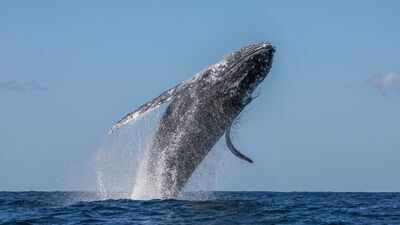
Something unusual may be unfolding in the Southern Ocean. In late June, whale watchers in southwest Western Australia reported a sharp drop in humpback whale sightings, around 60% below normal, just when the whales should have been migrating north to calve and feed. A week later, birdwatchers on Australia’s east coast began spotting rare albatrosses and petrels far from their usual Southern Ocean feeding grounds, with many of the birds appearing weak or in poor condition, according to a report by Phys.org.At first glance, those two events might seem unrelated. But together, they raise a bigger question: are changing ocean conditions pushing marine life off course?
A cold ocean that’s running hot
The Southern Ocean is usually one of the coldest marine environments on Earth, but it is not immune to warming. Researchers say marine heat waves can affect even Antarctic waters, and a rise of just a couple of degrees can be enough to disrupt food webs built for much colder conditions, as per the report.Since February, a persistent marine heat wave has affected waters around Heard Island and McDonald Islands and stretched as far south as the edge of Antarctica’s sea ice. Another heat wave has also lingered in the southern Tasman Sea since at least April. Both areas are among the fastest-warming ocean regions on the planet.That matters because whales, seabirds and other predators depend on very specific ocean conditions. If the water warms, currents shift or prey moves, these animals may follow the food — or end up in places where they are not usually seen.
Why the sightings matter
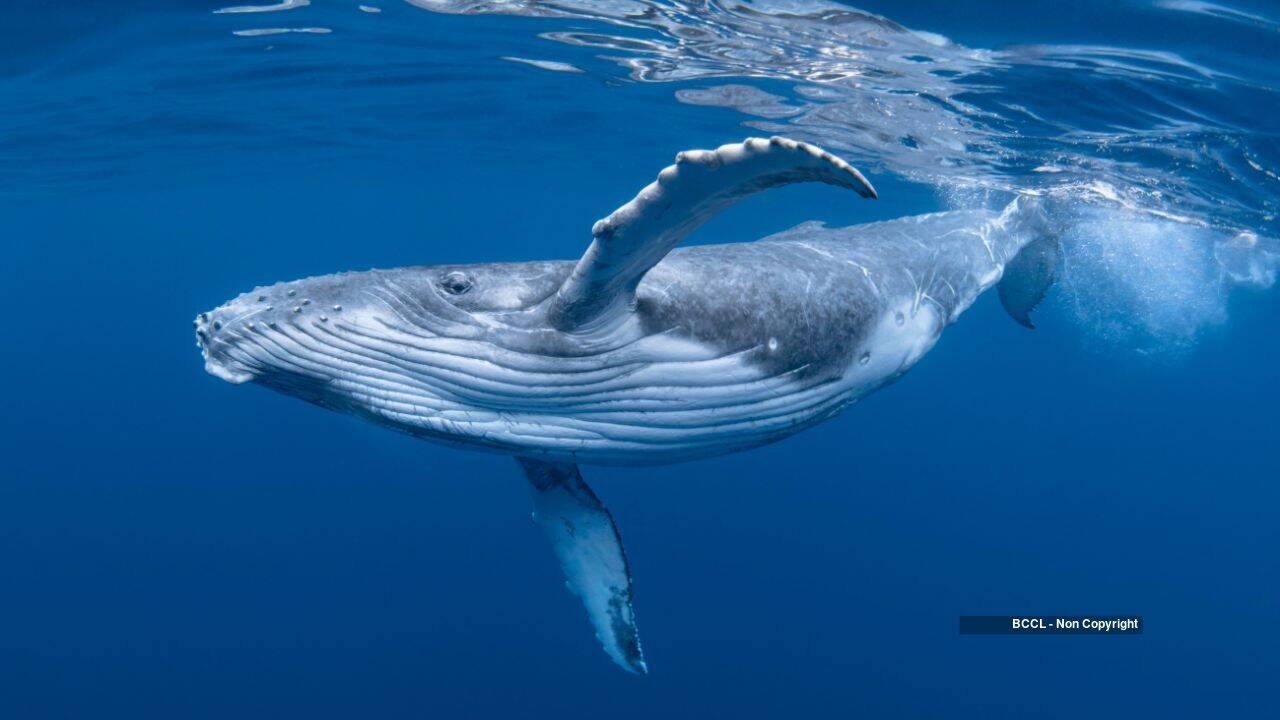
humpback whale
The whale decline is especially worrying because humpbacks are typically reliable seasonal visitors along Australia’s west coast. When numbers suddenly fall, it can signal a change in migration timing, feeding conditions or broader ocean health.The seabird sightings are just as striking. Birdwatchers described a “once-in-a-lifetime” event as albatrosses and petrels appeared thousands of kilometres east of their normal foraging range. Some of the birds were in poor condition, suggesting they may have been under stress or searching for food in unusual places.These kinds of movements can be a warning sign. Marine mammals and seabirds do not travel randomly; they are often following currents, weather patterns and prey fields. When their routes change, it can mean the ocean itself is changing too.
What a marine heat wave can do
Scientists know that marine heat waves can reshape ecosystems in dramatic ways. One of the most famous examples was “the Blob” in the North Pacific between 2014 and 2016, when unusually warm water persisted for months and caused major ecological damage.During that event, kelp forests disappeared, millions of starfish died, whales were affected and seabirds starved. More than 240 species were found outside their usual ranges. It was a reminder that a few degrees of warming can have consequences far beyond the thermometer.Researchers think something smaller, but still damaging, could now be happening in the Southern Ocean. The problem is that the region is hard to monitor, so the full picture remains unclear.
Clues from other species
Past research already shows that marine heat waves can affect predators closer to home. In Tasmania, warmer waters have been linked to changes in zooplankton communities, which are a key food source for seabirds, fish and whales.Earlier studies in the Southern Ocean also found that warmer surface waters made it harder for female Antarctic fur seals to find prey while raising their pups. Over time, population declines and pup deaths have become more common in some regions, and the species is now listed as endangered after large losses in the South Atlantic.That makes the current sightings more than just a wildlife curiosity. They may be part of a wider pattern in which warming waters, shifting prey and altered currents are changing where animals can survive.
The H5N1 question
The timing has made the situation even more concerning. Just weeks before the rare seabirds were spotted, Australia confirmed its first case of highly pathogenic H5N1 bird flu in a dying migratory seabird.That does not prove the strange seabird movements are caused by bird flu, but it does add another layer of pressure to already stressed populations. If birds are weakened by lack of food or rough conditions, disease can spread more easily or have worse effects.Scientists are therefore watching both climate and disease risks closely. In a changing ocean, the two can interact in ways that are difficult to predict.
What scientists still don’t know
The biggest challenge is that Southern Ocean monitoring is limited. There are still major gaps in our understanding of how marine heat waves affect krill, fish, whales and seabirds across the region.We know Antarctic krill are vulnerable to environmental change, but we do not yet fully understand how a specific heat wave changes their abundance or how that ripples through the food chain. That makes it hard to tell whether the unusual whale and seabird sightings are a short-term wobble or the start of something more serious.What scientists do know is that climate change is moving faster than the monitoring systems designed to track it. Without better long-term data, it becomes much harder to separate natural variation from a genuine ecosystem shift.
Why better monitoring is urgent
Researchers say the answer is long-term, coordinated monitoring of key species, breeding sites, feeding areas and food supplies. That would mean tracking animals over years, not just during isolated surveys, and combining that with ocean data on temperature, currents and prey availability.It would be expensive and complicated, but the payoff could be huge. Better monitoring would help authorities react quickly if fish numbers drop, fishing needs to be adjusted or protected areas need more support.Most importantly, it would help scientists understand whether these changes are temporary or part of a lasting shift in the Southern Ocean.
A warning from the cold seas
For now, the message from whale watchers and birdwatchers is simple: the cold oceans around Australia may not be as stable as they once seemed. A 60% fall in humpback sightings and rare seabirds appearing far from home are not proof of one single cause, but they are serious signals that deserve attention.As warming continues, the Southern Ocean may become harder to predict and more difficult for wildlife to navigate. Without stronger monitoring, scientists warn, we may keep flying blind while the changes accelerate around us.