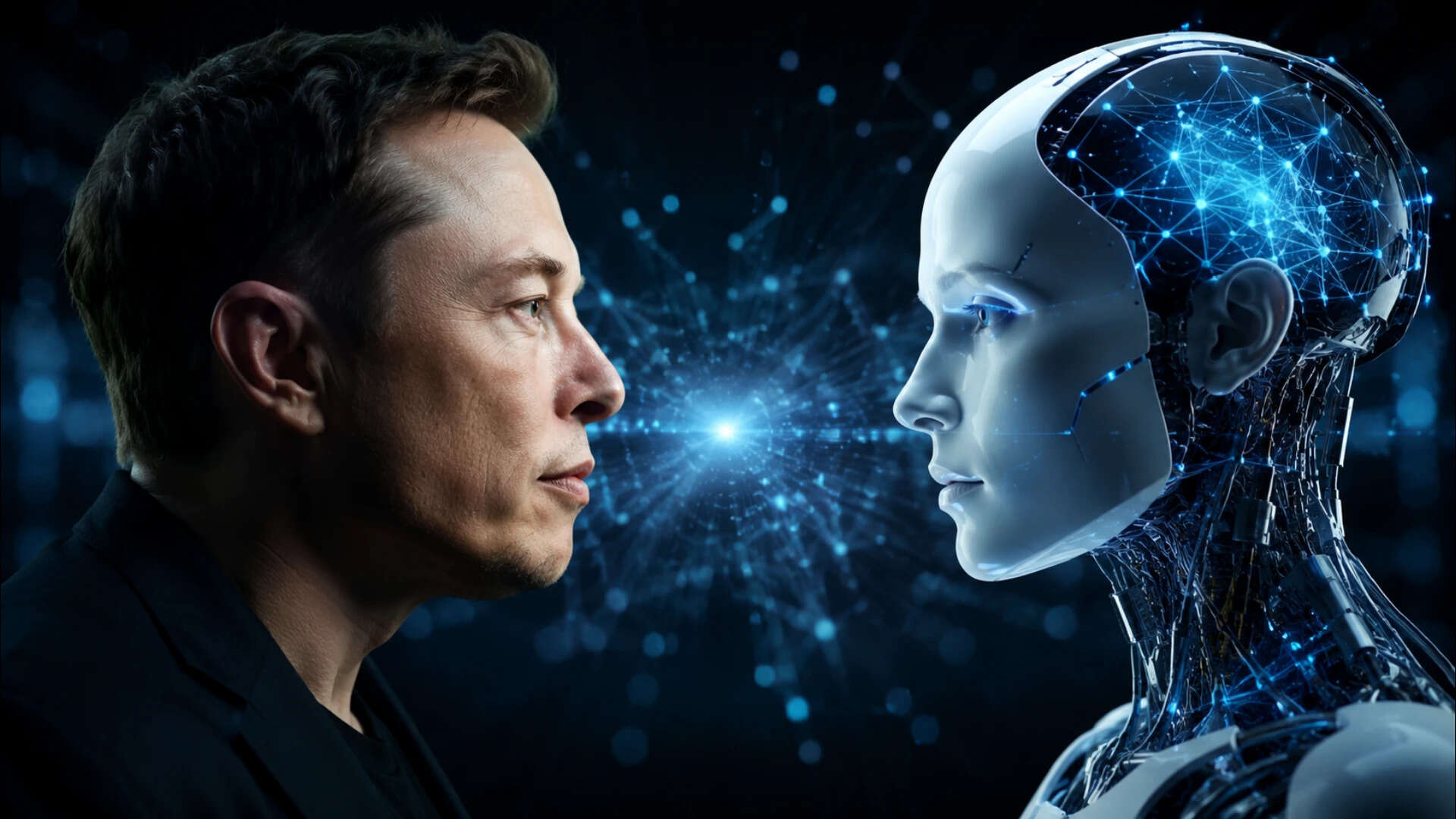
Artificial intelligence is no longer limited to science-fiction stories or experimental laboratories. It is already writing reports, answering customer questions, analysing data, generating images, translating languages and helping companies automate everyday tasks.That progress has raised a difficult question for workers: which jobs will still exist as AI becomes more capable? Tesla CEO Elon Musk told the U.S.-Saudi Investment Forum in Washington in January 2026 that advances in artificial intelligence and robotics could eventually make work optional rather than a necessity for people to earn a living, Fortune reported. He suggested that machines could produce many of the goods and services people need, leaving humans to work mainly for interest, purpose or personal satisfaction.Musk’s prediction is ambitious, but it is not a guaranteed forecast. It points to a real shift already taking place: AI is more likely to replace tasks first, and entire jobs only when most of their core tasks can be automated.Which jobs will become redundant due to AI?The jobs most vulnerable to AI are generally those built around repetitive, predictable and screen-based activities.If a role involves following fixed rules, processing large amounts of information or producing standardised output, software can increasingly handle at least part of the work.Talking on these lines, Elon Musk said in an interview that AI will transform digital work long before it replaces most physical jobs. In a video clip posted by Meteoric.AI on Instagram, Elon Musk said, “Anything that’s physical, those jobs will exist for a much longer time. But anything that is digital, which is like, just someone at a computer doing something, AI is going to takeover those jobs like lighting (like coding, etc).Just like digital computers took over the jobs of people doing manual calculations. But much faster.”Jobs that can become redundant due to AIFor instance, data-entry workers, administrative assistants and payroll clerks often spend their days transferring information between systems, organising records, checking forms and preparing routine documents. AI tools can now extract information from invoices, classify documents, schedule appointments and identify inconsistencies much faster than a person working manually.That does not mean every administrative job will disappear.Employes could spend less time on repetitive paperwork and more time coordinating people, solving unusual problems and dealing with sensitive information. But roles that require little decision-making beyond predictable processes are likely to shrink. Similarly, chatbots and voice assistants can already deal with common questions about deliveries, refunds, bookings, account access and opening hours. As these systems get better at understanding language, companies may use them for a larger share of first-line customer support. Human agents will still be needed for emotionally difficult situations, complaints, complex financial matters and cases in which customers need reassurance.The job may evolve from answering every question to supervising automated systems and taking over when the conversation becomes complicated.AI can also produce basic product descriptions, summaries, emails, social media captions and reports in seconds. It can also translate many forms of everyday text with impressive speed.This could reduce demand for low-level content production, especially where the work depends on volume rather than original thinking.But writing that requires expertise, a unique voice, investigative reporting, cultural sensitivity, or a deep understanding of a particular audience will be harder to automate.Repetitive analysisAI is well-suited to sorting information, identifying patterns and generating first drafts of financial, legal or business analysis. Junior roles that once focused mainly on collecting and formatting information may be reshaped significantly. And so, the human role may shift toward interpreting results, checking accuracy, explaining consequences and making decisions when the data is incomplete. In other words, knowing how to ask the right question and judge the answer may become more valuable than simply producing the first analysis.The jobs AI is less likely to replaceIn the same clip posted by Meteoric.AI, Musk further said, “Of humans who build things with their hands or do things with their hands, like welding, electrical work, plumbing. Anything that is physically moving atoms (will survive AI).Like cooking food or farming.”
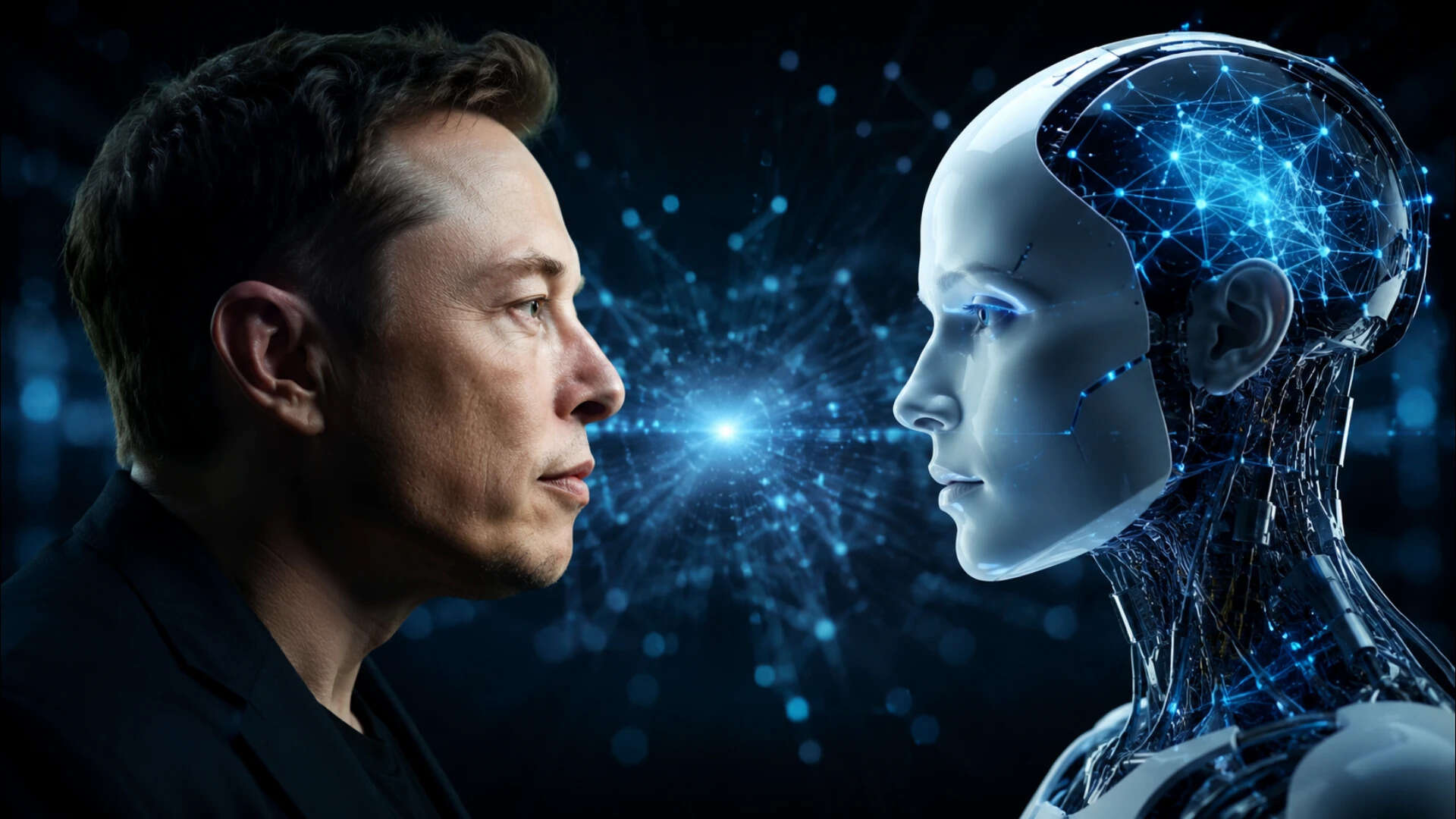
And so, the jobs that will survive AI are works that require physical presence, emotional trust, unpredictable environments, creativity or high-stakes human judgment. This includes:1. Healthcare and caregivingNurses, carers, therapists, paramedics and home-health workers do far more than follow medical instructions. They observe body language, comfort frightened patients, respond to changing conditions and build relationships with families.Robots may assist with lifting, monitoring and documentation, while AI may help doctors interpret scans or identify risks.But many patients will still want a trusted human being beside them during pain, uncertainty and recovery.2. Skilled tradesElectricians, plumbers, mechanics, heating and cooling technicians and construction workers operate in environments that are rarely identical. A tradesperson may need to inspect an old building, identify an unexpected fault, work around fragile equipment and make decisions in real time.Robotics can perform tasks in controlled factories, but it is much harder to send a machine into millions of different homes, buildings and outdoor locations.Physical dexterity, improvisation and responsibility remain strong barriers to full automation.3. Teachers and mentorsAI can explain a mathematical formula, generate lesson plans and provide practice exercises. It cannot easily replace the wider role of a good teacher.Teachers motivate students, recognise when a child is struggling emotionally, manage classroom relationships and adapt lessons to people with different needs.Education depends on trust, encouragement and human connection as much as information.4. Therapists and social workersMental-health professionals and social workers deal with personal histories, trauma, family conflict, poverty and difficult life decisions. Their work involves listening carefully, understanding context and building a relationship in which another person feels safe.AI may offer basic guidance or help professionals organise notes, but empathy and ethical judgment remain difficult to reproduce. Research from MIT Sloan has identified empathy, judgment, ethics and hope as human capabilities that are less likely to be replaced by machines.5. Creative and leadership rolesAI can generate images, music, text and video, but creative work is not only about producing an output. It is also about deciding what deserves to be made, why it matters and how it connects with people.Artists, designers, filmmakers, entrepreneurs and leaders bring personal experience, taste, cultural awareness and responsibility. AI may become an important creative partner, but the person who sets the vision and takes responsibility for the final decision will remain important.The future may be about adaptationAnd so, the most realistic future may not be one in which AI simply eliminates jobs overnight. Instead, many occupations will be divided into tasks. Machines will handle the repetitive parts, while humans focus on judgment, relationships, creativity and accountability.That change could create opportunities for workers who learn to use AI rather than compete with it on purely mechanical tasks. A marketer who understands audience psychology, a lawyer who can evaluate AI-generated research, or a nurse who uses predictive tools effectively may become more valuable, not less.Musk has also suggested that work could become optional within 10 to 20 years, according to Fortune. But that vision depends on enormous advances in robotics, energy, productivity and economic distribution. It also assumes that societies will find a fair way to share the wealth created by automation. That final issue may be more difficult than the technology itself. If AI replaces large numbers of paid jobs, people will need income, purpose, education and social status in new forms. A future of abundant goods would not automatically guarantee a fair or fulfilling life.For now, the safest approach is not to search for a job that will never change. Instead, workers can build skills that machines find difficult to copy: clear communication, emotional intelligence, problem-solving, adaptability, practical expertise and the ability to make sound decisions when no perfect answer exists.AI may change the workplace profoundly. But the jobs most likely to survive will be those that require people to understand people, navigate the physical world and take responsibility for what happens next.