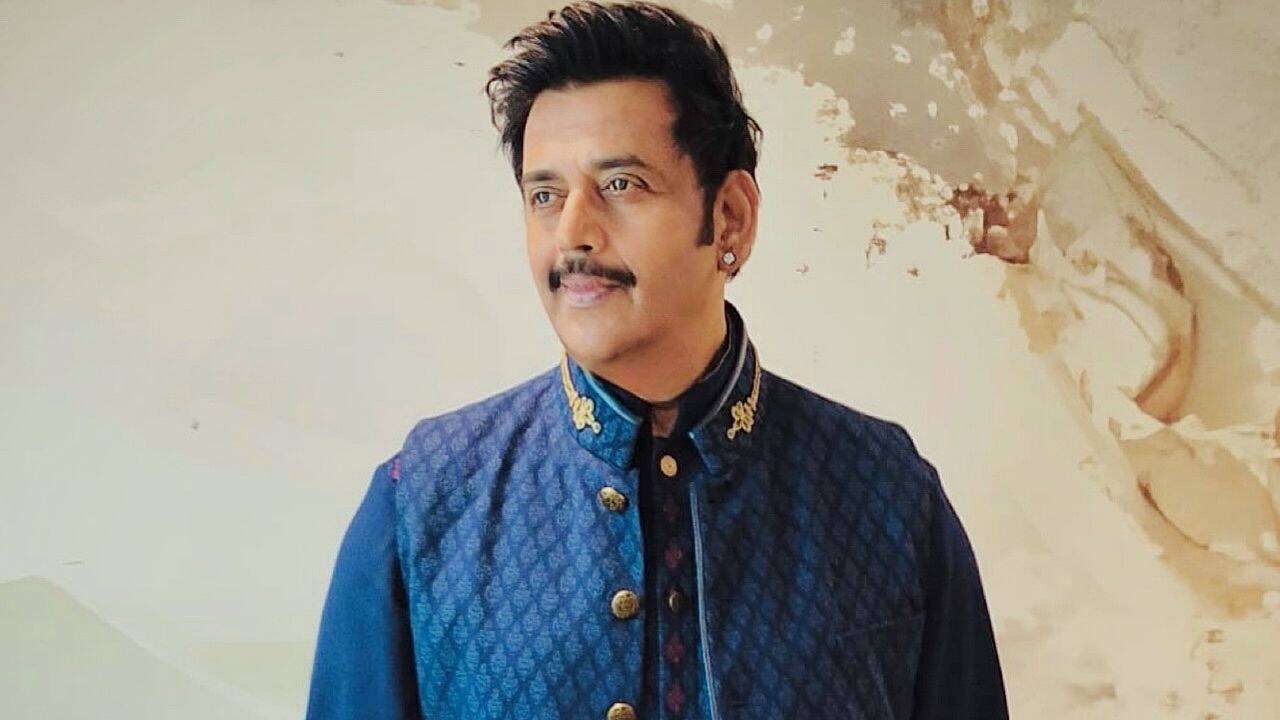
Ravi Kishan is known for making people laugh. For his energy, his timing, and his unforgettable screen presence. For the kind of performances that stay with you long after the credits roll. But in a conversation on Raj Shamani’s podcast, he said something that had nothing to do with comedy. Something raw and quiet and deeply human. “I used to love that my father was hitting me. I used to think that was love.” The room went silent. And everyone listening understood, even before he explained further, that this was not a simple story about a difficult childhood. This was the story of a boy who was so starved of his father’s warmth that he learned to read violence as affection.
A priest, a janeu, and a son who wanted to be seen
28 Jul 2026 | 16:22
How do you teach children about money and financial responsibility?
Ravi Kishan’s father was a priest. A disciplined, respected man with a crest lock and a janeu, the sacred white thread he wore across his chest, that he polished every morning with the kind of patience most people reserve for things they treasure above everything else. The young Ravi watched him. Studied him. Was quietly fascinated by him. And wanted, more than anything, to be seen by him. “I was trying to prove to my father that I was worth loving,” Ravi said on the podcast. Six words that carry the weight of an entire childhood. His father was not an unkind man by the standards of his time and his world. He was a man who expressed everything through discipline and expectation and very little through words or touch. There were no hugs. No conversations that felt like friendship. No softness offered freely. What there was was hitting. And for a child who was desperate for any form of connection, even that felt like something. “When he used to hit me, I used to think that was his way of communicating with me,” Ravi said. “At least he was in touch with me. That was love for me.”
The day he ran away, and his mother gave him Rs 500
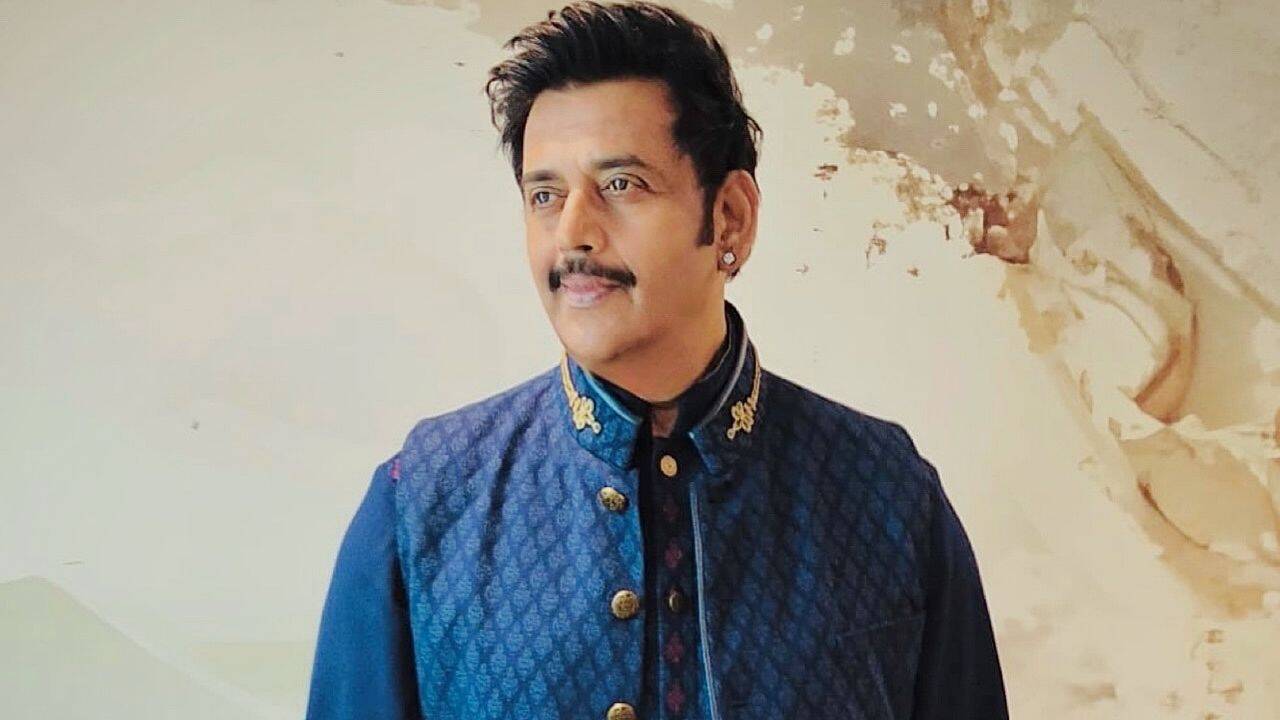
His father wanted him to be a farmer. To sell milk. To get a government job. Anything stable, anything sensible, anything that would not embarrass the family name. What Ravi Kishan wanted was to be on screen. When he participated in Ramleela and played the role of Goddess Sita, a boy in a saree, in a time when that was deeply transgressive, his father’s fury was absolute. One day, the beating was so severe that Ravi’s mother intervened. “He will kill you today,” she told her son. She pressed Rs 500 into his hand. “Just go.”He went. With no money, no connections, no guarantee of anything except a dream that felt too big for a boy from his background to reasonably hold onto. The early years were brutal. Barely enough food. No decent clothes. No foothold in an industry that did not know his name yet. He watched Akshay Kumar and Ajay Devgn climb their ladders and told himself, quietly and without certainty, that his day would come. It came 33 years later.
The moment that changed everything between them
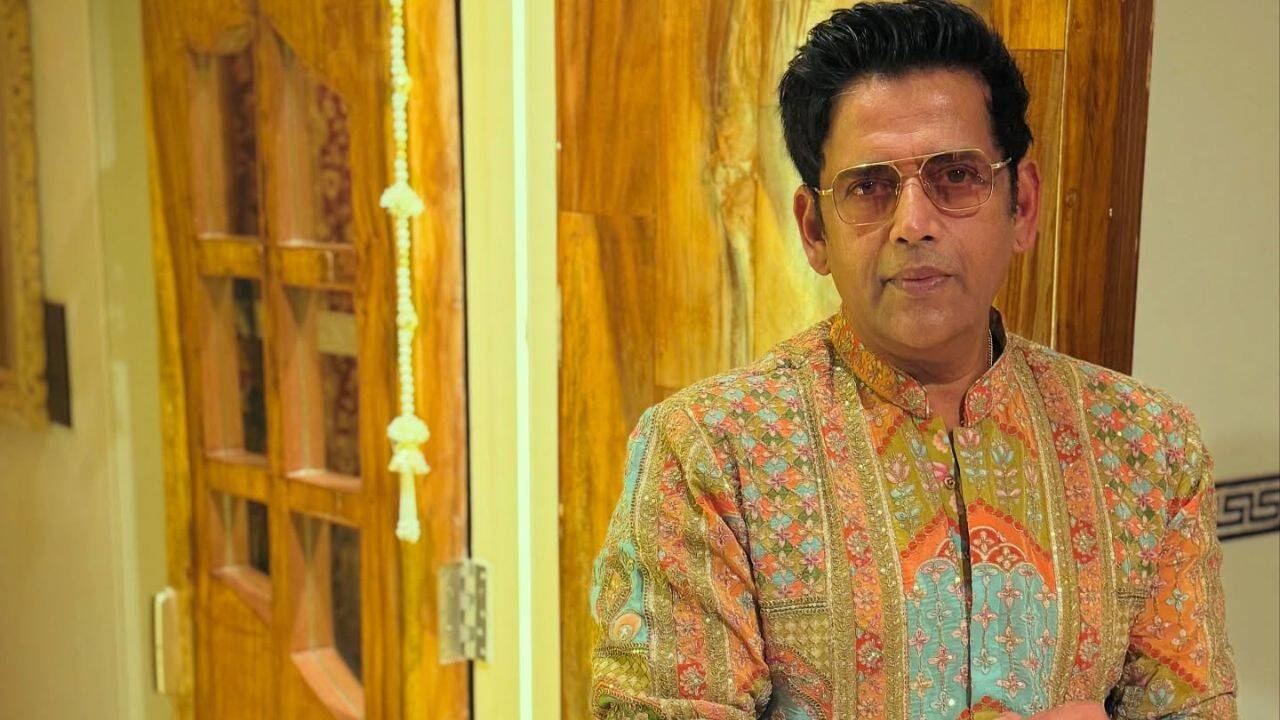
Success, when it finally arrived, changed something in the relationship between Ravi Kishan and his father. He started earning. He gave his father flight tickets, good clothes, a car, and comfortable accommodation. He gave him a bungalow. And one day, his father, the disciplined, proud, emotionally closed man who had beaten his son for wanting to be an actor, sat down and cried. “Please forgive me,” he said. “I misunderstood you.” Ravi Kishan’s response is the part of this story that stays with you the longest.“You were right,” he told his father. “You are my God, and you taught me so much that I later passed on those lessons to my children in some ways.” He did not hold the forgiveness back. He offered it completely, and with love.
What this story says about Indian parenting , and what it costs children
Ravi Kishan is 57 years old now. He has had decades to process what his childhood was. And he speaks about it with a clarity and generosity that is, frankly, remarkable. But he also does not pretend it was without cost. “It permanently wounded me,” he said simply. Those three words deserve to sit with every Indian parent who has ever believed that strictness is love, that silence is strength, and that children do not need to be told they are valued; they just need to be fed and housed and pushed. Children do not simply need provision. They need presence. They do not just need discipline. They need warmth. They do not need to wonder, in the quiet of their own minds, whether they are worth loving.Because children who are not sure whether they are loved will find evidence of love in the strangest places. In the hitting. In the harshness. In the parent who never hugged them but at least, in the act of striking, made contact. That is not love. That is the shape a child makes love out of when the real thing is withheld.
The father Ravi Kishan became
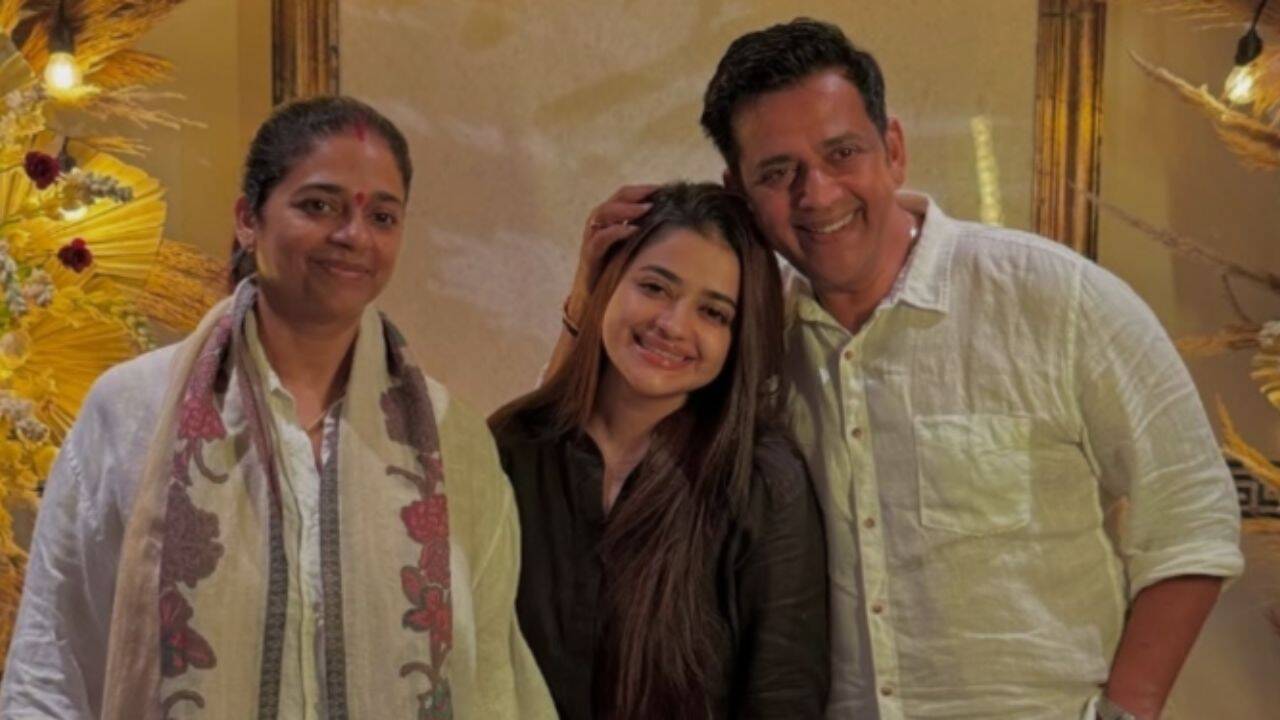
Ravi kishan with daughter Riva
The most telling detail in this entire story is not the beatings or the Rs 500 or the 33 years of waiting. It is this: Ravi Kishan speaks about his children differently than his father spoke about him. He has a friendly relationship with them. They hug. They talk. He has consciously chosen to give his children what was withheld from him. He did not repeat the cycle. He broke it. And perhaps that is the truest tribute he could have ever paid to his father, not by doing what was done to him, but by understanding it deeply enough to choose something better. His father said, in the end, “I misunderstood you.” Ravi Kishan said, in return, “You taught me so much.” Both of them were right.