
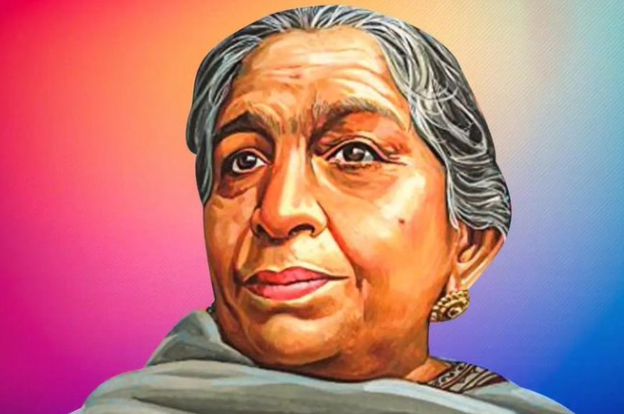
India’s struggle for independence stands as one of the most powerful chapters in human history, a shining example of courage, sacrifice, and unwavering determination and resilience.While the long struggle for freedom is often remembered through its prominent male leaders, women also played an extraordinary role in setting the course of the process.These women stepped beyond the then social expectations placed on them and stood shoulder to shoulder with revolutionaries, reformers, and political leaders. Their contributions took many forms, like organising political movements, spreading revolutionary ideas, sheltering freedom fighters, marching in protest, and leading education and social reform. While facing colonial oppression and the restrictions of a deeply patriarchal society, they held their ground despite these barriers.Here are some women freedom fighters of India who helped in India’s freedom struggle
Rani Lakshmibai
Few figures symbolise courage quite like Rani Lakshmibai, who became a central figure during the Indian Rebellion of 1857. After the British attempted to annex her kingdom under the Doctrine of Lapse, she refused to surrender her authority, raising and training an army of her own. She fought fearlessly on horseback, carrying her young son on her back, and even though she died in battle, her resistance turned her into an enduring symbol of patriotism.
Sarojini Naidu
Known as the “Nightingale of India” for her poetry, Sarojini Naidu became one of the movement’s most powerful speakers. She joined Mahatma Gandhi on the Salt March to Dandi in 1930 and later led the Dharasana Satyagraha after his arrest. In 1925, she became the first Indian woman to head the Indian National Congress, and in 1947, the first woman to serve as a state governor in independent India.
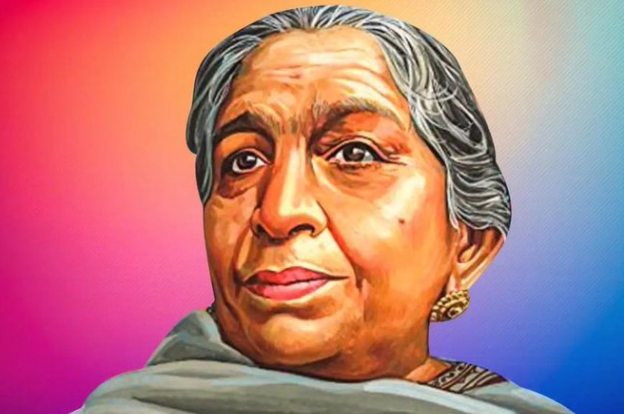
Sarojini Naidu (Photo via X)
Aruna Asaf Ali
Aruna Asaf Ali became a defining figure of the Quit India Movement of 1942. When British authorities arrested the Congress’s senior leadership, she hoisted the Indian flag at Gowalia Tank Maidan in Mumbai, as a symbol of open defiance from the protesters. Pursued relentlessly by the British, she went underground, continuing to organise resistance from hiding rather than surrender to arrest.
Kasturba Gandhi
Kasturba Gandhi supported the campaigns led by her husband, Mahatma Gandhi, through direct participation rather than from the sidelines. She took part in civil disobedience movements, was imprisoned multiple times, and ultimately died in British detention at the Aga Khan Palace in 1944. Her steady involvement encouraged many Indian women to step into the public and take an active role in the fight against colonial rule.
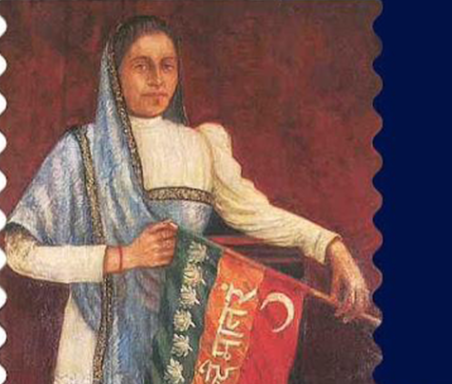
Bhikaji Cama (Photo via X/ @DRMTPJ)
Bhikaji Cama
Bhikaji Cama took India’s demand for freedom to an international audience. In 1907, she unfurled an early version of the Indian national flag at the International Socialist Congress, calling for global recognition of India’s right to independence. Living in exile for years afterward, she continued supporting and spreading awareness of colonial injustice from abroad.