
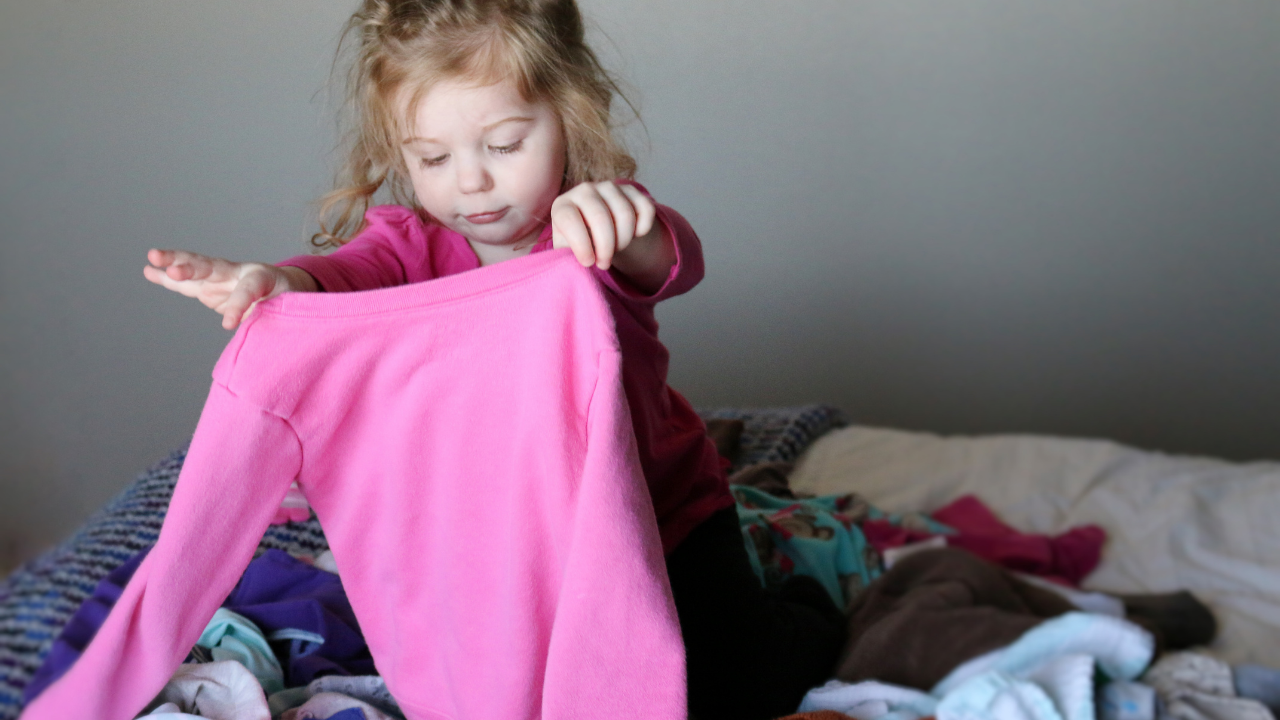
Writing is not just a pencil-and-paper skill. Before a child can make an “A”, draw a straight line or stay inside a shape, their hands, fingers, eyes and brain have to work together in surprisingly complex ways. They need enough hand strength to control a pencil, finger dexterity to make small movements, visual-motor coordination to guide the hand and the ability to sit, concentrate and coordinate both hands. That is why the years before formal handwriting instruction matter.Instead of giving a preschooler pages of alphabet worksheets, parents can quietly build these foundations through ordinary play: squeezing a sponge, threading pasta, opening a jar, tearing paper, building with blocks or using a pair of child-safe scissors.
28 Jul 2026 | 16:38
What factors did you consider, or would consider, before choosing the right school for your child?
The American Academy of Pediatrics notes that activities such as drawing, tracing, finger painting, clay modelling, cutting and building with blocks help preschoolers develop emerging hand and finger skills.So what can parents actually do at home?Here are over 20 simple activities that turn everyday play into opportunities to strengthen the skills that eventually support writing.
Build everyday hand skills
Some of the best preparation for writing does not look like writing practice at all. Some activities that help build hand skills are:Buttoning: Let your child try fastening and unfastening large buttons on their own clothes. It may take them longer than it would take you, but that is part of the learning.
File Photo: Canva
- Zipping: Give them opportunities to zip and unzip jackets, pouches or school bags.
- Opening containers: Keep a few child-friendly containers with screw-top lids and let them practise opening and closing them.
- Spoon transfer: Put lentils, pasta or larger beans in one bowl and ask your child to move them into another using a spoon. Stay close with younger children because small food items can be choking hazards.
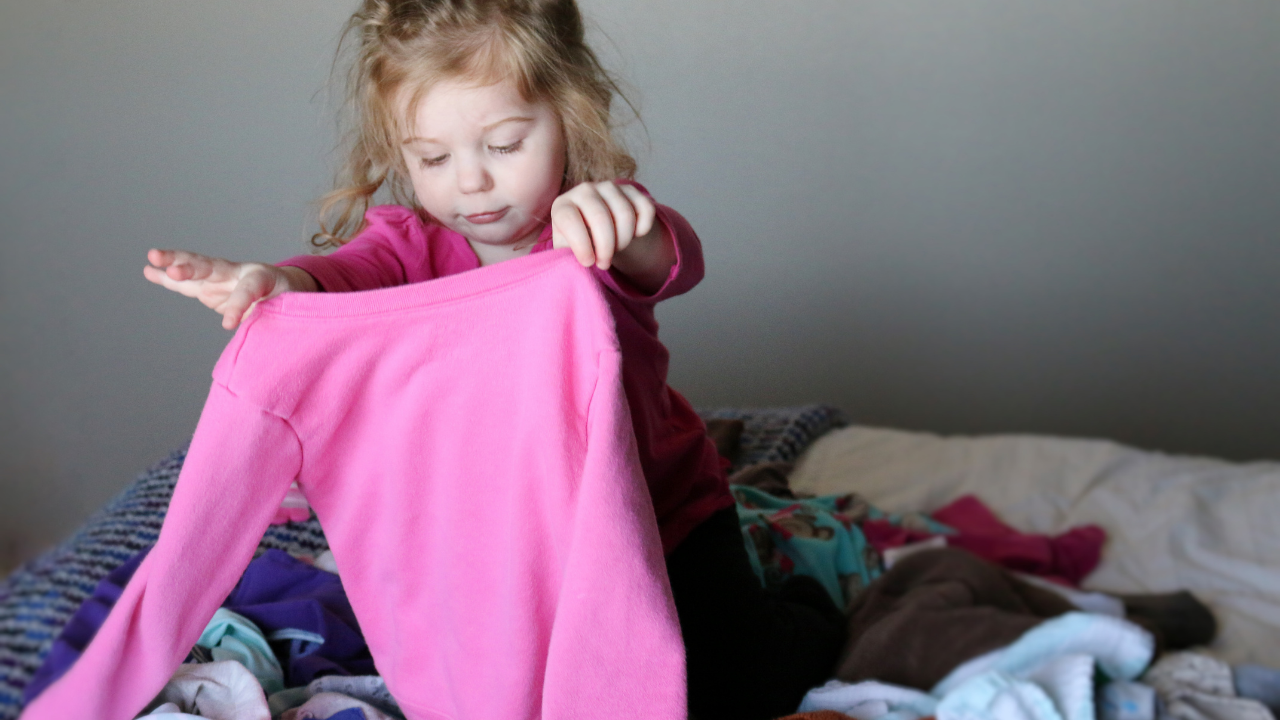
- Folding clothes: Hand them a small towel, napkin or handkerchief and ask them to fold it. It will probably not be perfect- and it does not have to be.
These little jobs make children use their fingers in different ways- gripping, pinching, twisting and releasing. Over time, that kind of practice can help them become more comfortable using their hands for the finer movements involved in drawing and writing.
Turn play into pre-writing practice
Lines, circles, dots, curves and random scribbles are all part of that journey. So instead of reaching immediately for an alphabet worksheet, try giving them different surfaces and materials to explore.Tear paper: Give your child old newspaper or coloured paper and let them tear it into pieces. You can later turn the pieces into a collage.
File Photo: Canva
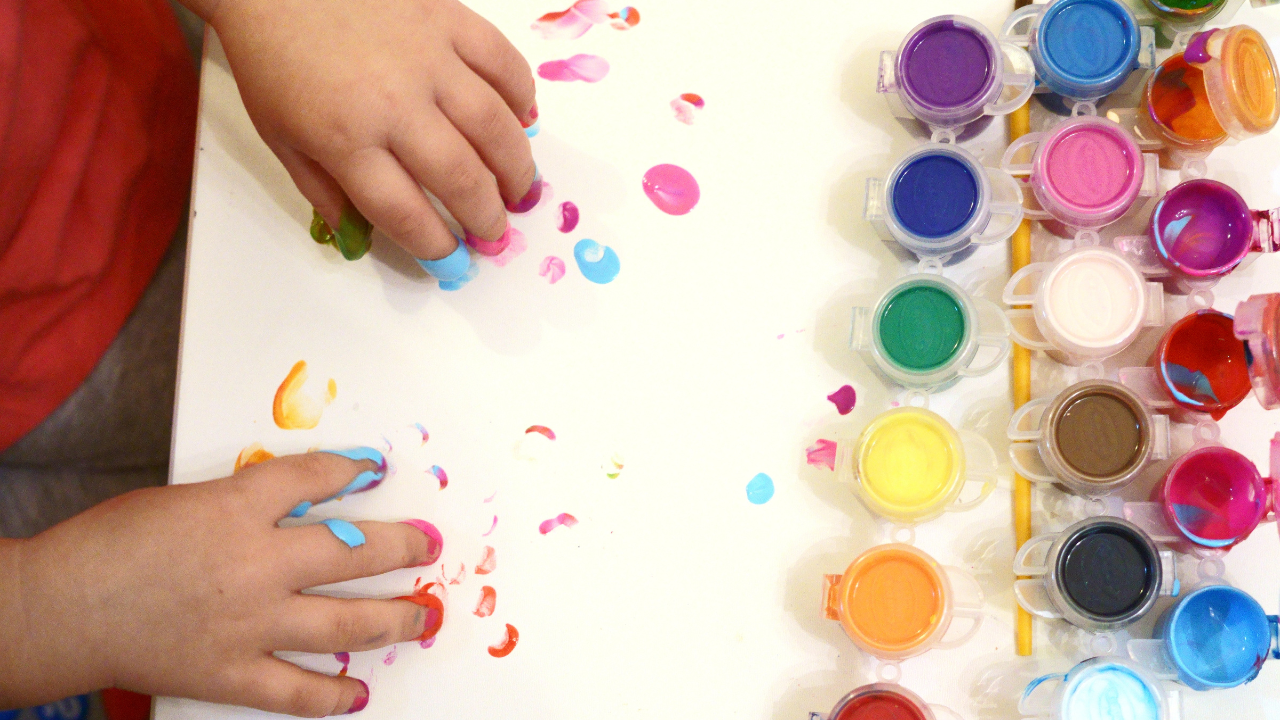
- Q-tip painting: Give them cotton buds and some paint and let them make dots, lines and simple patterns.
- Finger painting: Encourage them to experiment with curves, circles, zigzags and whatever else they come up with.
- Chalk drawing: Take the activity outdoors and let them draw on a safe surface with chalk.
The aim here is not to see how neatly a child can draw a circle. It is to give those small hand muscles plenty of practice moving in different directions and gradually becoming more controlled.
Strengthen hand-eye coordination
Writing also involves a constant conversation between the eyes and the hands. The eyes notice where something needs to go, and the hands try to get it there. You can work on that skill without making it feel like an exercise.
File Photo: Canva
- Thread beads or pasta: Use large beads or pieces of pasta and let your child thread them onto a thick lace or shoelace.
- Lacing cards: Make or buy a card with large holes and let your child weave a lace through them.
Build block towers: See how tall a tower your child can build before it tumbles down. The real challenge is learning how gently the blocks need to be placed. - Ball toss: Throw a soft ball into a bucket or basket.
- Keep a balloon in the air: Ask your child to tap a balloon gently and see how long they can keep it from touching the floor.
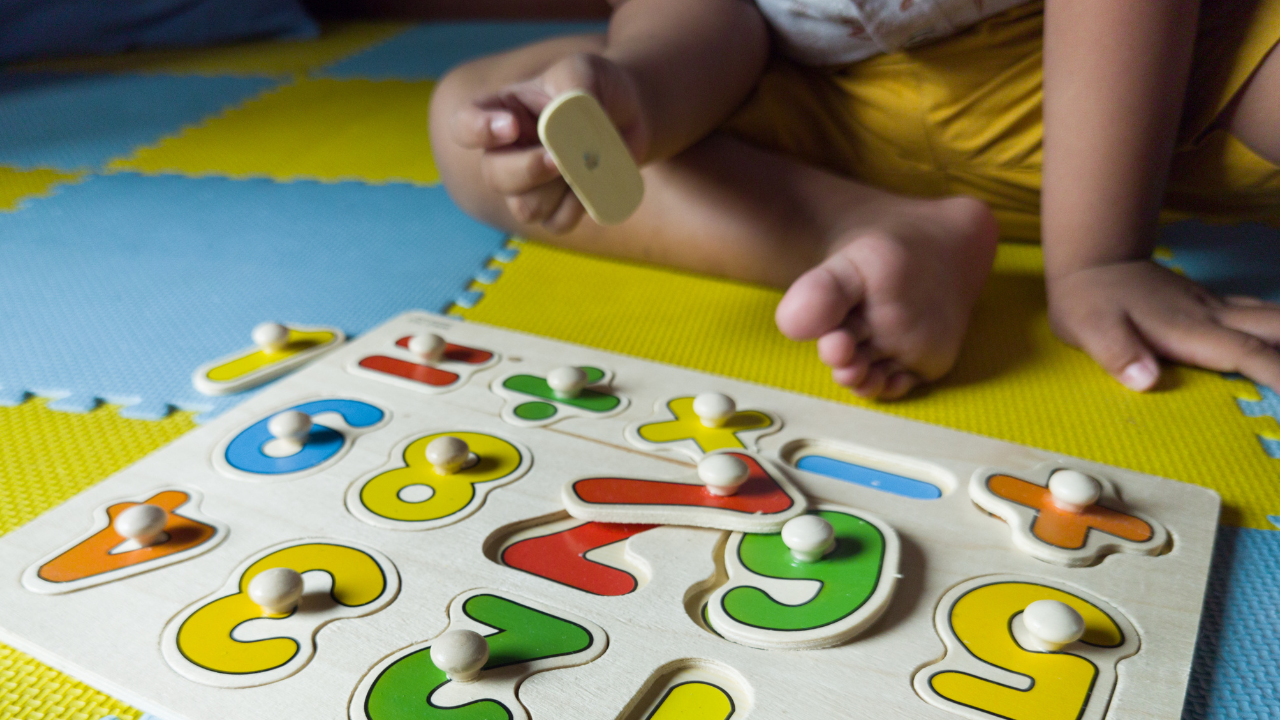
- Simple puzzles: Puzzles are another easy way to encourage children to look closely, turn pieces around and figure out where they belong.
All of these activities ask children to look, reach, adjust, grasp and release. They may simply see them as play- which is exactly why they can be so easy to fit into a normal day.
Give you child’s little fingers a workout
The fingers do a surprising amount of work when a child eventually learns to write. They need to move independently, adjust their grip and make small, controlled movements without tiring too quickly. Some activities that can help are:
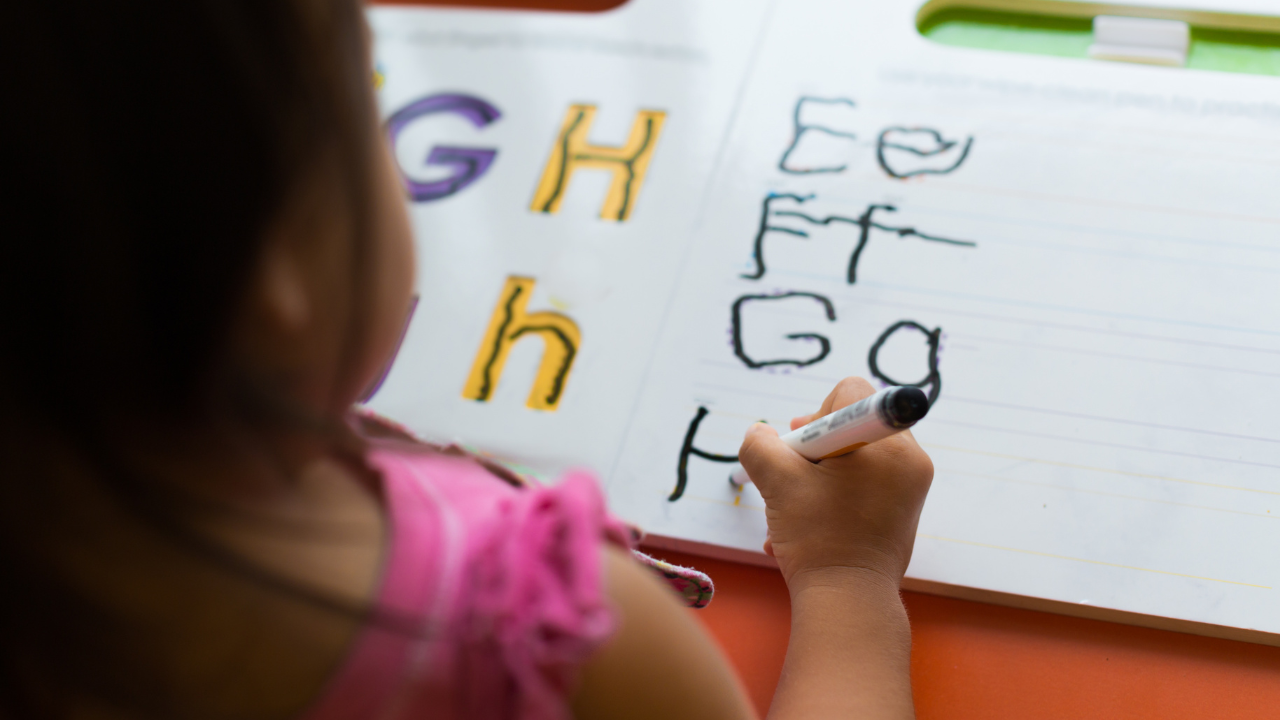
File Photo: Canva
- Coin posting: Use large play coins or another age-appropriate object and let your child push them through a slot in a container. Avoid small objects if your child still puts things in their mouth.
- Sticker peeling: Peeling stickers off a sheet and placing them on paper looks simple, but it asks those little fingers to work quite precisely.
- Paper crumpling: Ask them to turn a sheet of paper into a tiny ball.
Build hand strength
Sometimes the activities that look the most ordinary give the hands a surprisingly good workout.
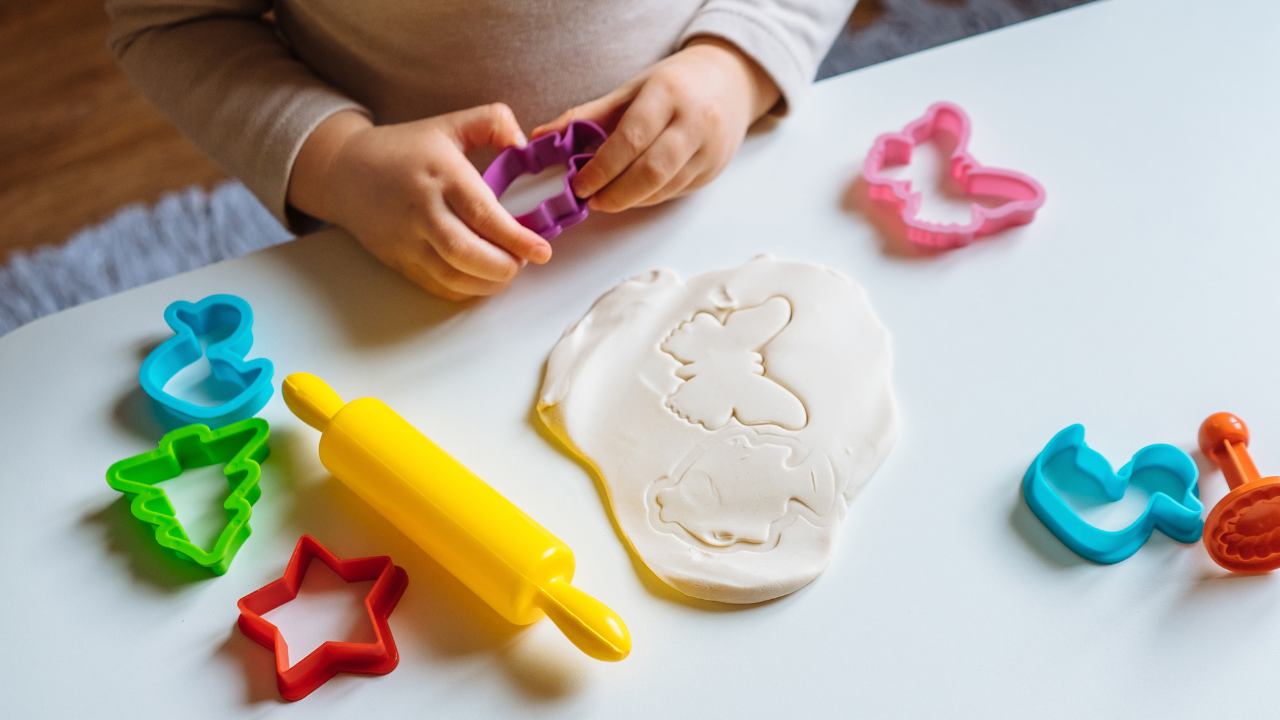
File Photo: Canva
- Playdough: Let your child roll it into snakes, pinch it, flatten it, squeeze it and pull it apart. You can make pretend food, animals or anything else that keeps their hands busy.
- Sponge squeezing: Give your child a sponge, a bowl of water and another empty bowl. The job is simply to soak and squeeze.
- Spray bottle: A small spray bottle can turn watering plants into a game. Let your child squeeze the trigger and aim at plants or another safe outdoor surface.
- Dropper activity: Put coloured water into one container and let your child use a dropper to move it into another. This is best done with washable, child-safe materials and close supervision.
- Put coloured water into one container and let your child use a dropper to move it into another. This is best done with washable, child-safe materials and close supervision.
The goal is readiness, not perfect handwriting
Perhaps the biggest shift parents can make is to stop looking at these activities as preparation for a test. A preschooler struggling to thread pasta is not failing a fine-motor exercise. They are exploring how their hands work. And that exploration matters.The best approach may therefore be surprisingly simple: give children plenty of opportunities to use their hands, let them draw and scribble freely, introduce tools gradually, and allow formal writing to develop alongside their readiness. The aim is not to make every child write early. It is to give them the confidence, coordination and hand skills that make writing easier when they are ready.