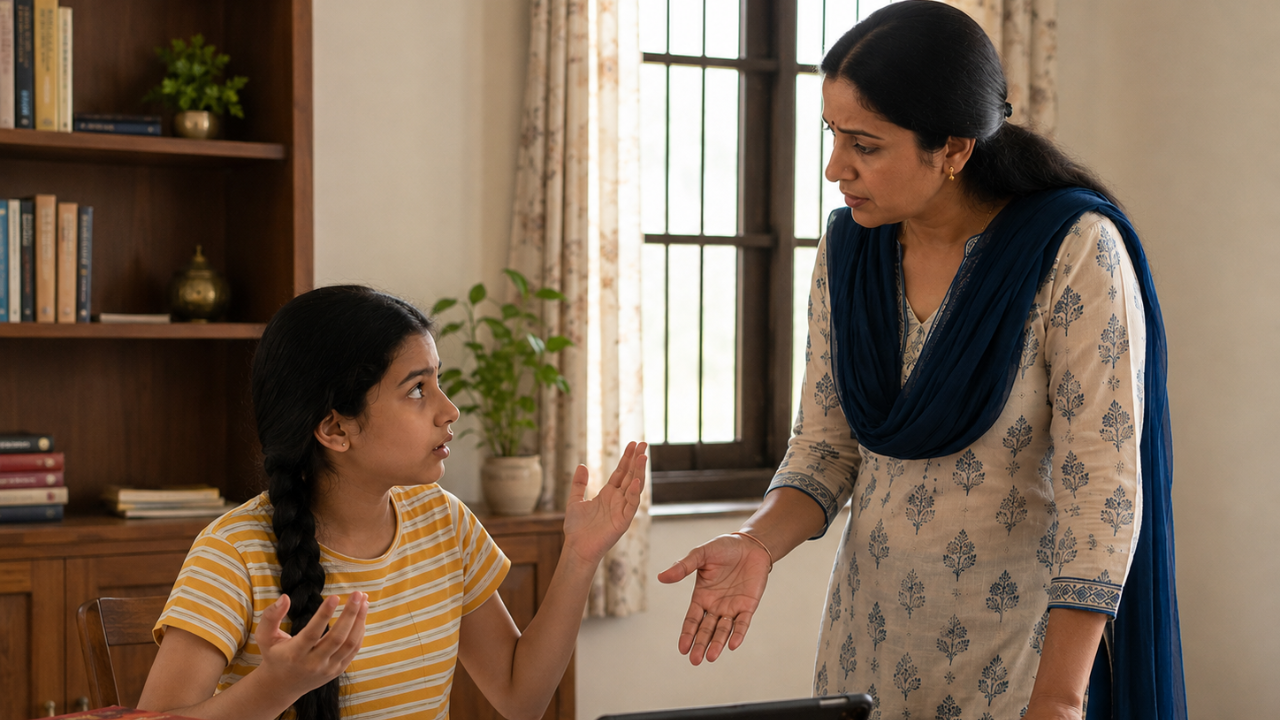
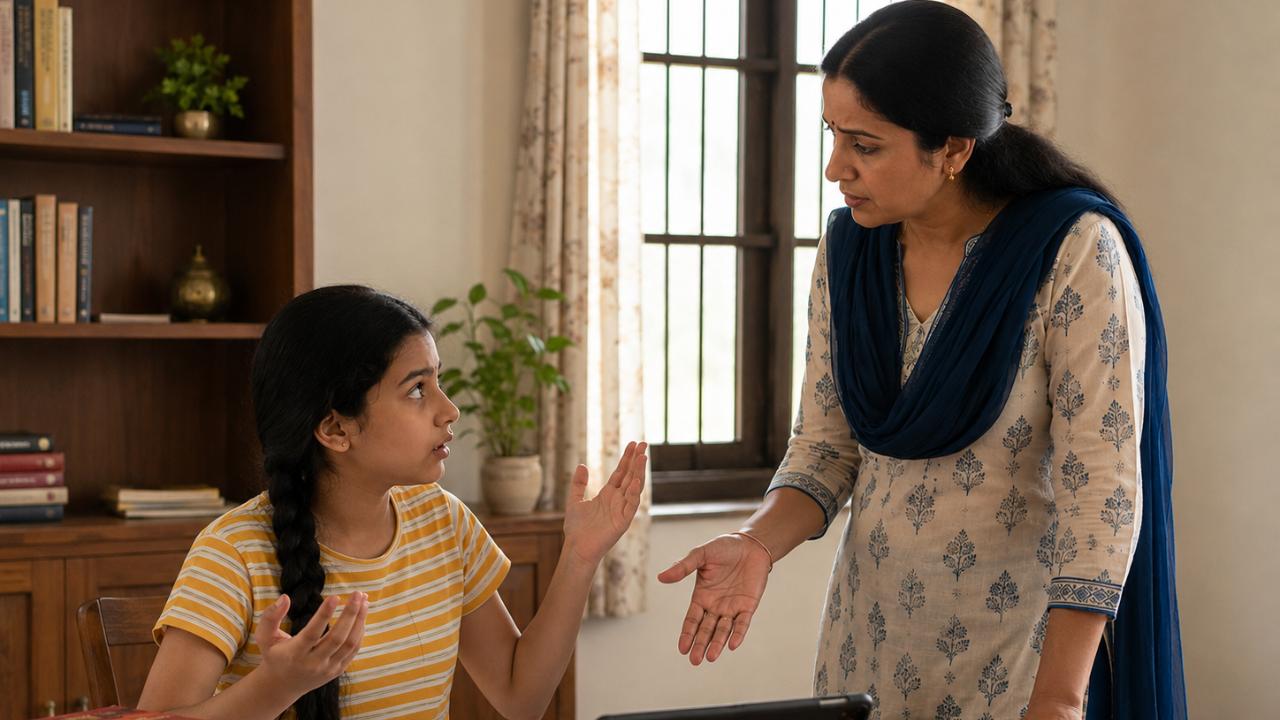
Your teenager tells you about a problem. You offer a solution. They immediately say, “I know!” or “You don’t understand.” It may not be because your advice is wrong. It may be because advice was not what they were asking for. A teenager comes home and says, “I can’t deal with this anymore.” Maybe it is a fight with a best friend. Maybe three exams have landed in the same week. Maybe they have been excluded from a group chat or are worried about something that, to an adult, seems manageable.They tell you because they are upset. And within seconds, the parental problem-solving machinery starts. “Why don’t you just talk to her?” “Then stop talking to those people.” “You should have started studying earlier.” “Make a timetable.” “Don’t take it so seriously.”
28 Jul 2026 | 16:25
Do you think social media has changed the parent-teen relationship?
The teenager’s response is almost predictable: “I know.” “Forget it.” “I didn’t ask for advice.”For parents, this can be baffling. “You brought the problem to me. I am trying to help. What else am I supposed to do?” The answer, increasingly supported by research on adolescent development, is that teenagers often want something different from what parents assume.They may want to be heard before they want to be helped.
They may be thinking aloud, not asking for a solution
Adults do this too. When someone tells a friend, “My boss made my life miserable today,” the friend does not necessarily need to explain how to handle the boss. Sometimes saying the whole thing out loud is what helps.Teenagers are no different. A 2021 experimental study involving 1,001 adolescents aged 13 to 16 found that teenagers who perceived their parents as good listeners anticipated greater well-being and were more willing to disclose to them in the future. The researchers linked this partly to adolescents’ need for both connection and autonomy.This matters because talking helps teenagers sort through thoughts that are not yet organised. “I am angry at her.” “No, actually I’m embarrassed.” “Maybe I shouldn’t have said that.” “I don’t know if I even want to be friends anymore.”If a parent jumps in with an answer after the first sentence, the teenager may never get to that point.
This is especially complicated in Indian families
AI representation/ChatGPT
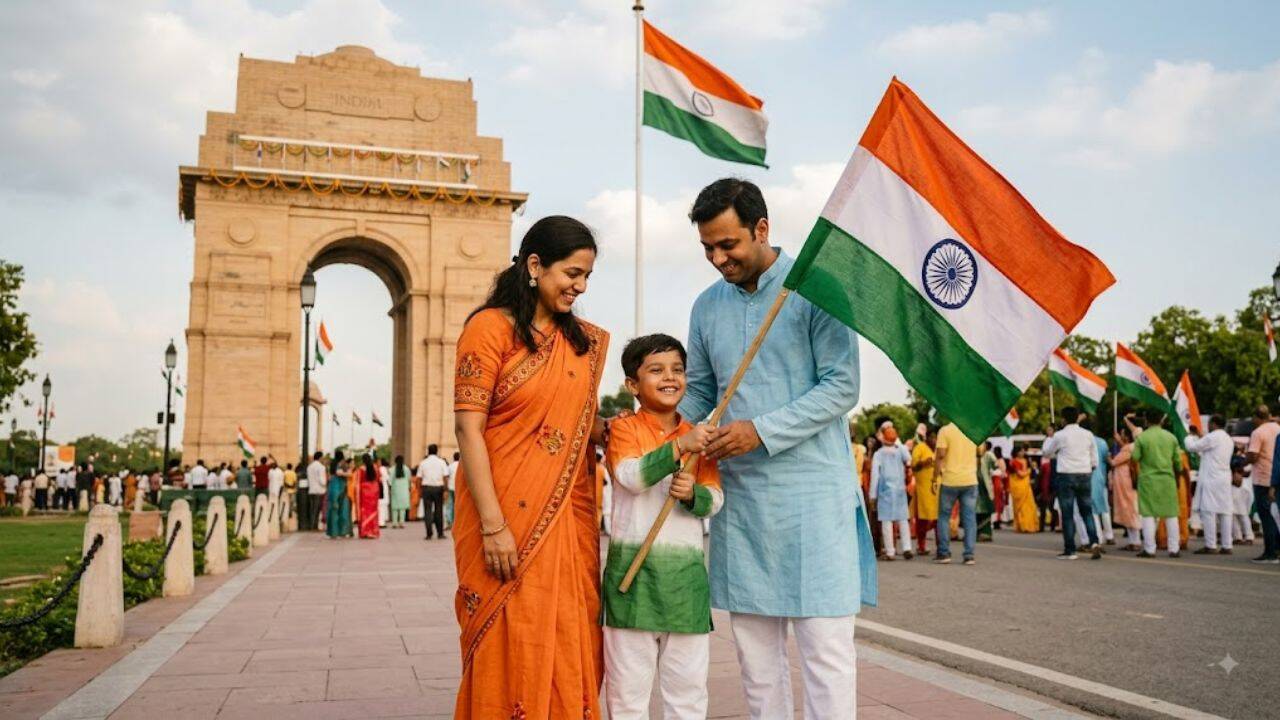
For many Indian parents, involvement is closely tied to good parenting. You know your child’s marks. You know their tuition schedule. You worry about their friends, sleep, phone use and eventually their subject choices and career.So when a teenager says, “I don’t know what to do,” the instinct is to take over.A 2026 study of Indian adolescents and parents found that parental involvement could be experienced in two ways at once: as support and as restriction. The researchers identified a tension between parents wanting to develop their children’s competence while also controlling decisions, particularly around academic goals.That is the uncomfortable contradiction at the centre of many parent-teen conversations. The parent thinks: “I am involved because I care.” The teenager may hear: “You don’t trust me to handle this.
Before giving advice, find out what the teenager actually needs
There is one question that can prevent a lot of unnecessary friction.Ask them, “ “Do you want me to listen, or do you want help figuring it out?”If the teenager says, “Just listen,” listen. If they say, “I don’t know,” don’t immediately fill the silence with advice. If they say, “What would you do?” now you have an opening. And even then, offer possibilities rather than instructions.Instead of: “You need to talk to your teacher tomorrow.” Try: “Would talking to your teacher help, do you think?”Instead of: “Stop being friends with her.” Try: “What do you think you want from this friendship now?”Research on autonomy-supportive parenting has found that acknowledging adolescents’ perspectives and encouraging self-initiation can support healthier parent-adolescent interactions.
Sometimes what they need is reassurance that they can handle it
AI representation/ChatGPT
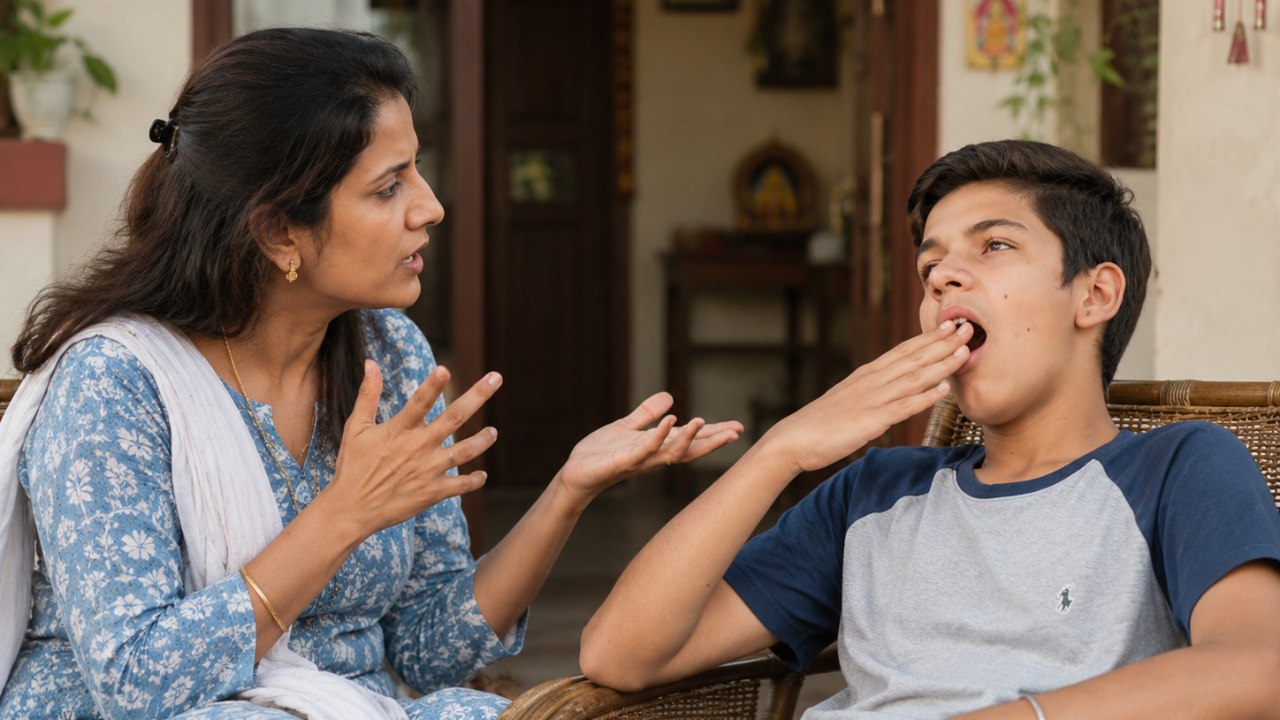
Teenagers often know the practical answer. The student who has left an assignment until Sunday knows they should have started earlier. The child who has stayed awake scrolling before an exam knows they need sleep. The teenager who has had a fight with a friend may already know they should apologise. What they may not know is whether they can recover from the situation.This is where parents can offer something more useful than another instruction. “You’ve dealt with difficult things before.” “What do you think your options are?” “It’s a mess right now, but you can work through it.” That is different from saying, “Don’t worry.” “Don’t worry” dismisses the feeling. “You can handle this” acknowledges the difficulty while expressing confidence in the teenager.
Save the “I told you so” for later or better, don’t use it
Your teenager does exactly what you warned them not to do. You said, “Don’t leave your project until the last minute.” They did. You said, “Don’t get involved in that argument.” They did. You said, “You cannot study properly if you’re on your phone all night.” They discovered this at 1.30am. When they finally come to you, the temptation is enormous: “I told you this would happen.”But the immediate objective should not always be proving that you were right.Research involving 874 adolescents found that adolescents who perceived their parents as supportive were more likely to disclose information later and less likely to keep secrets.
The next time your teenager says, “I have a problem…”
Resist the first answer. Ask what happened. Let them finish. Then ask one more question: “Do you want me to listen, or do you want my help?” It may turn out that they want advice.But it may also turn out that they simply needed somewhere to put the problem down for a while. Knowing the difference can change the conversation from ‘parent versus teenager’ to what it was supposed to be in the first place: a teenager trying to make sense of something difficult, with a parent close enough to help but not so close that they do all the thinking for them.