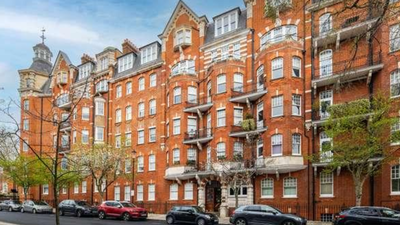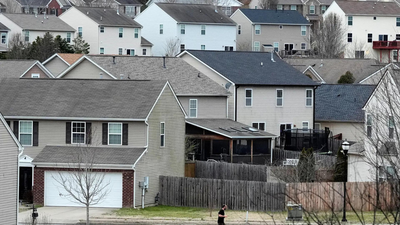
The 21st Century ROAD to Housing Act is putting housing supply at the centre of the US government’s response to an affordability crisis that has pushed homeownership increasingly out of reach for millions of Americans. The bipartisan legislation, which became law on July 11, contains more than 40 provisions aimed at making it easier to build homes and expanding access to affordable housing.The law comes as US home prices remain near record levels. The median existing-home price reached $440,600 in July, marking the 36th consecutive month of annual price increases, while high mortgage rates and limited inventory continue to weigh on buyers.The central question now is whether the ROAD Act can address the underlying shortage of homes — and eventually make housing more affordable.
What does the ROAD Act aim to change?
The legislation takes a largely supply-side approach, seeking to reduce regulatory barriers that make housing slower and more expensive to build. It includes measures to streamline environmental reviews, encourage local governments to expand housing supply and modernise rules governing manufactured homes.One of its most notable provisions restricts large institutional investors from purchasing additional single-family homes, with exceptions including certain build-to-rent properties. The aim is to make more homes available to individual buyers.The law also seeks to make manufactured housing cheaper by changing regulations around the construction and installation of such homes. Supporters argue that reducing regulatory and construction costs could create another source of relatively affordable housing.
Why are US homes so expensive?
The US housing affordability crisis is closely linked to a prolonged shortage of supply. More than a decade of underbuilding following the 2008 financial crisis, combined with zoning restrictions, land-use rules and high construction and labour costs, has limited the number of homes available in many markets.The shortage has been compounded by the “lock-in effect”. Millions of homeowners with low pandemic-era mortgage rates have been reluctant to sell and take on new mortgages at rates currently hovering around 6.6%. That has kept existing-home inventory constrained.“Housing affordability remains strained. The cost-to-income ratio for buying a home sits at 35%, and buying is cheaper than renting in only around 2% of metropolitan statistical areas,” said John Sim, head of Securitized Products Research at JPMorgan.