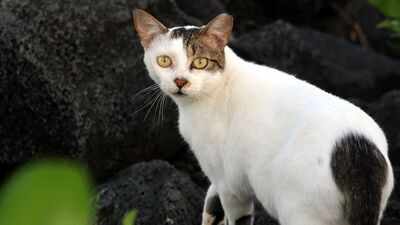
Ascension Island offers a striking example of how quickly an introduced predator can reshape an island’s wildlife. Cats brought to the South Atlantic island in 1815 preyed heavily on seabirds, driving almost all species away from the main island and leaving surviving colonies in places cats could not reach. More than a century later, conservationists began a major effort to remove the feral cats while protecting the island’s domestic animals and people.The campaign succeeded, and the last feral cat was killed in January 2004. In the years that followed, seabirds began returning to parts of the mainland where they had previously been unable to breed safely. The study published in ‘Oryx’ (The International Journal of Conservation, Cambridge University Press) documents both the difficult eradication campaign and the early signs of recovery, showing how removing one invasive predator can reopen habitat for wildlife.
How did cats change Ascension island’s seabird colonies
Ascension Island is a 97-square-kilometre island in the tropical South Atlantic. Although much of its landscape is rugged and barren, it has long been an important home for seabirds, including the endemic ‘Ascension frigatebird’ and a distinct form of masked booby.Before cats arrived, the island supported huge seabird colonies. Their introduction in 1815 changed that dramatically. According to the study, cats preyed so heavily on seabirds that all but the ‘sooty tern’ disappeared from the main island. The surviving birds were largely pushed into cliff ledges, offshore stacks and small islands that cats could not reach. Even sooty terns were still heavily targeted when they attempted to roost or breed on the mainland.
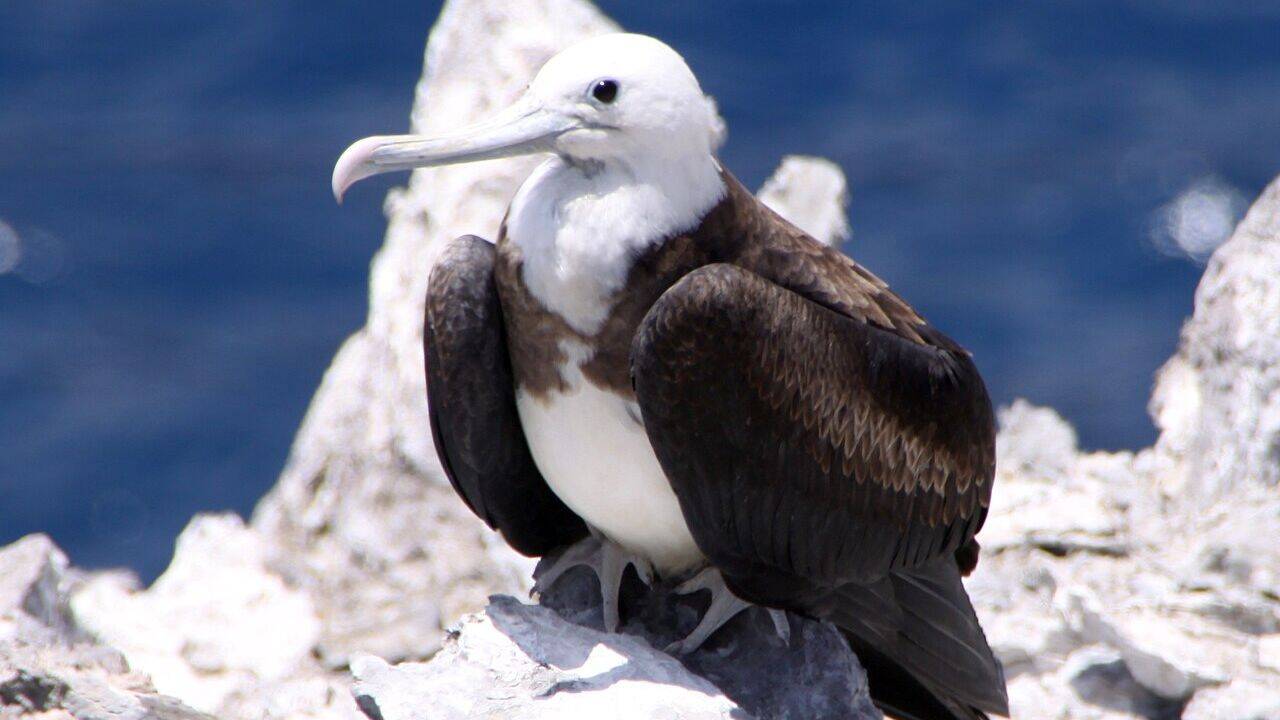
Juvenile Ascension Frigatebird. Image Credit: Drew Avery/Wikipedia
Why was removing the feral cats such a difficult task
Removing feral cats from an uninhabited island would already be a demanding conservation project. Ascension presented an additional challenge because around 900 people lived there, while domestic cats also needed to be protected. The researchers explained that the campaign had to eliminate feral cats without creating unacceptable risks to people or pets. Six months before the eradication began, conservationists started public meetings, newspaper articles, email updates and consultations with local organisations.Domestic cats were required to be registered, microchipped and neutered. Owners were also given reflective collars so that pets could be identified during the operation. Local people were trained and employed for monitoring work, helping to build wider community involvement in the project.
How were the feral cats removed
The eradication programme began in February 2002 and used a combination of poisoned bait and live trapping. Areas around settlements were treated differently because of the presence of people and domestic animals. A one-kilometre buffer around each settlement was kept free of poison bait. Instead, large numbers of ‘cage traps’ were used there. Outside those areas, poisoned fish bait was deployed across the island.The operation took place in stages. The first, known as the ‘knock-down’ phase, aimed to remove most of the feral cats quickly. It was followed by a ‘mop-up’ phase, during which workers searched for signs of cats and targeted the remaining animals. Finally, a two-year confirmation phase used hundreds of tracking pits to make sure no breeding feral cats remained. The scale of the effort was substantial. The project used more than 42,000 cage-traps, while 75,902 poisoned baits were laid. The last feral cat was killed on 31 January 2004. Subsequent monitoring produced no evidence of a remaining reproducing feral population.
Did the seabirds actually return after the cats disappeared
The answer was yes, although the recovery was gradual. The study found that ‘5 seabird species’ recolonised parts of the mainland after the eradication programme. Their numbers increased over the study period, with new colonies appearing in mainland areas close to existing colonies.The return was especially significant because these areas had previously been accessible to cats. Before eradication, seabirds attempting to establish themselves there faced a serious risk of being killed. Once that threat disappeared, birds from established colonies could begin expanding into previously unsafe habitats. The change was also visible in deaths of adult sooty terns. The study reports that the number of adult sooty terns found dead in their colonies fell from more than 4,500 a year to negligible levels after cats were removed. This suggested that adult survival had improved considerably.
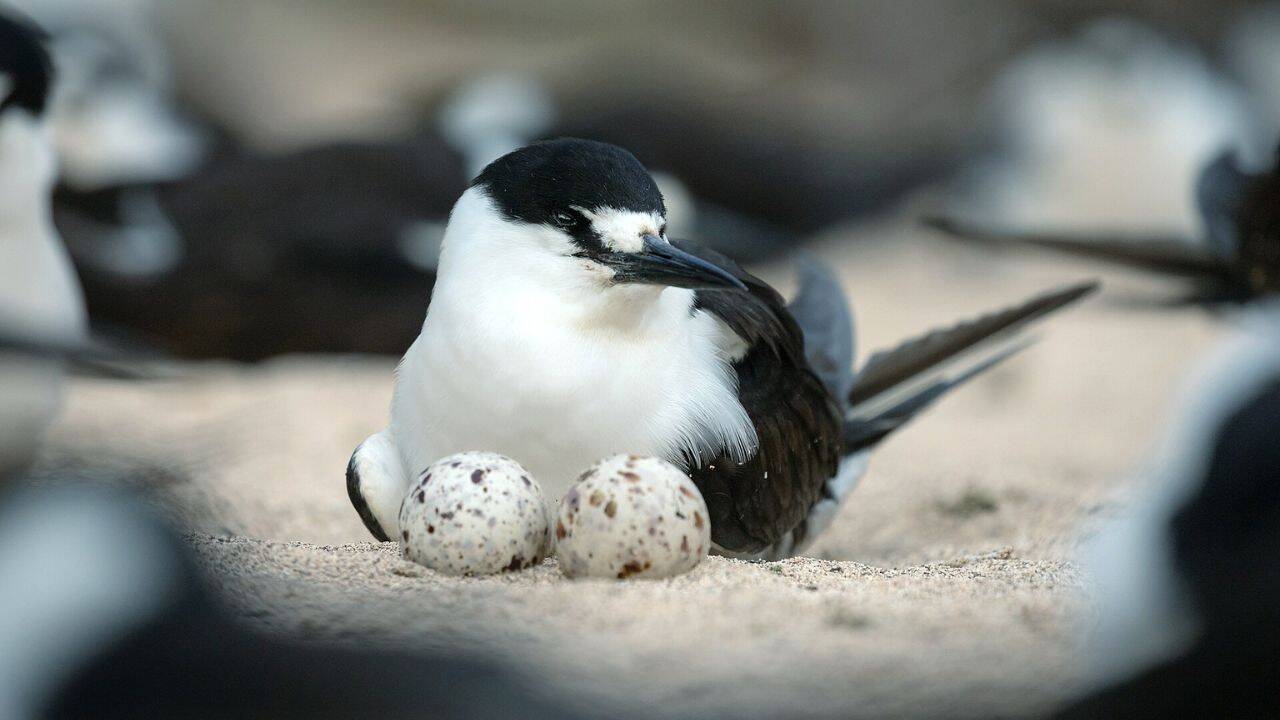
Sooty tern. Image Credit: Marinha do Brasil/Wikipedia
Why did the seabirds not recover immediately
Removing the cats solved one major problem, but it did not instantly restore the island’s seabird population. Researchers found that breeding success for several species was relatively low compared with populations elsewhere. They suggested several possible explanations. Food availability around Ascension could have limited breeding success. Many birds arriving to establish new mainland colonies were also likely to be inexperienced breeders. In addition, black rats were observed eating seabird eggs and chicks after the cats had disappeared.The researchers stressed that further work would be needed to determine how much each factor affected the birds. Importantly, the study did not suggest that the rats had simply increased because the cats were gone. Instead, rat numbers appeared to fluctuate with rainfall, vegetation growth and food availability.
What does Ascension Island’s recovery show
The Ascension Island project demonstrates that removing an invasive predator can allow wildlife to reclaim habitat that had effectively been lost. The recovery was not immediate or complete. The new seabird colonies began with only a few individuals, and seabird colonies can take time to grow. The researchers noted that future growth was likely to depend heavily on continued immigration, while reproduction within the new colonies could remain slow because breeding success was relatively poor.The project also showed that conservation on inhabited islands requires more than simply removing an invasive species. Public communication, careful planning and protection of domestic animals were all important parts of the operation. For Ascension Island, the disappearance of feral cats did not instantly return the island to its former state. But it removed a major obstacle. Seabirds that had been forced into predator-free refuges for generations began moving back onto the mainland, providing an early sign that damaged island ecosystems can begin to recover when the pressure responsible for their decline is removed.