
Dr. Pratyaksha Bhardwaj
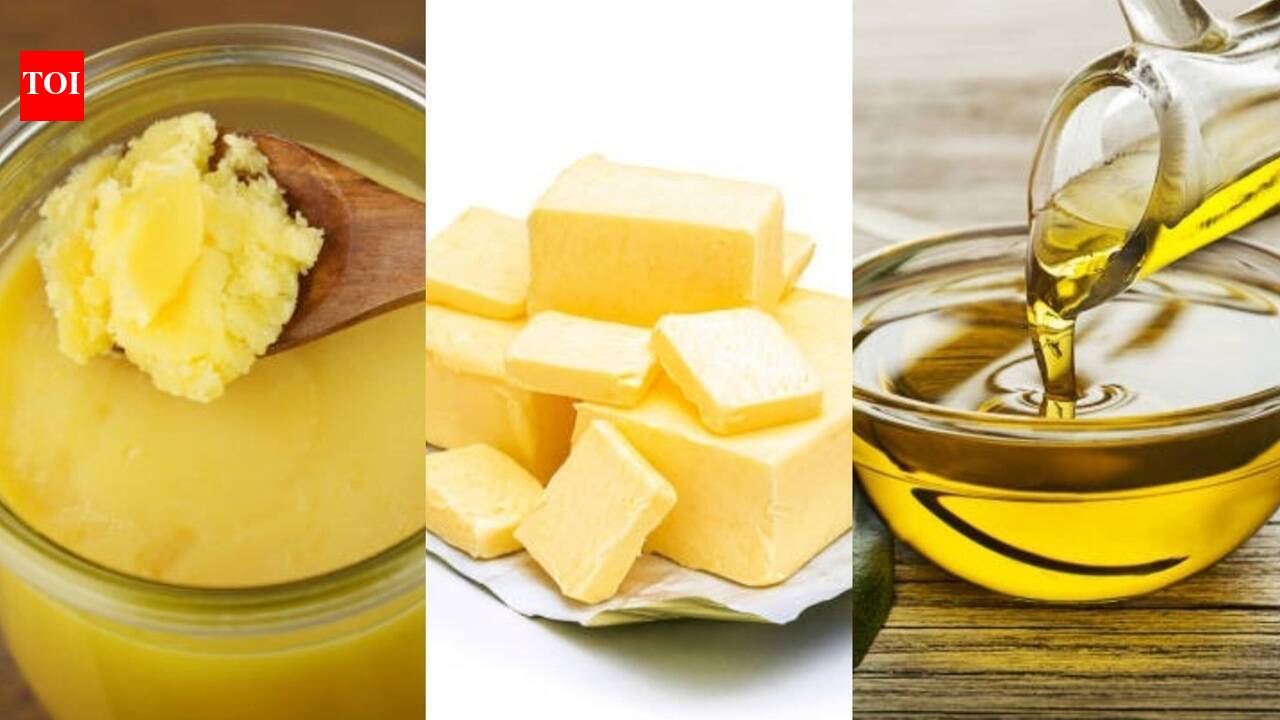
Fats have been distantly blamed for a long time now. In today’s scientific world, the story of nutrition is more complex; not all fats are alike. The title question isn’t if we should eat fat, but rather, what kind, how much, and when. Some of the hot topics include ghee, butter, and olive oil. They all have their distinct nutritional properties, but none is the sure winner. In this great fat debate, the pros and cons of fats are compared and contrasted.
Ghee
For centuries, ghee has played an everyday role in the Indian kitchen. It is made by clarifying butter and contains saturated fat and fat-soluble vitamins (A, D, E, and K). It also supplies butyrate, a short-chain fatty acid with beneficial effects on the gut that also has anti-inflammatory properties.Contrary to popular opinion, “ghee in moderate amounts” does not accumulate fat in the body. It can even be useful for certain people with physically active lifestyles who balance their diet with ghee and other essential nutrients. Unfortunately, it is a calorie-dense food with high saturated fat content, so some people might end up with a high intake of LDL cholesterol by consuming too much of it.
Butter
Like ghee, butter is also made from milk fat and is rich in saturated fat and vitamins A and D. However, it contains milk solids and water, which cause instability at higher cooking temperatures. Butter is preferred to be eaten with bread products and processed foods, which can lead to unplanned consumption of refined carbohydrates and unhealthy fats.There’s no need to banish butter from your diet, but use it sparingly as an occasional treat instead of as a regular cooking fat. The main thing is about portion sizes.
Olive oil
For years, extra virgin olive oil has demonstrated itself to have merits, particularly in regard to the Mediterranean Diet. It’s rich in antioxidants known as polyphenols and a large quantity of monounsaturated fats, which aid in maintaining the longevity of the cardiovascular system and decreasing inflammation.For salad dressings or dips, or quick sautéing, use olive oil. It is suggested that extra virgin olive oil should not be used for extended periods at high heats because these compounds are the same that provide its beneficial properties, and refined olive oils would be more conducive for extended cooking at higher temperatures.
Which one would you prefer?
This will depend on what type of diet you’re following, how you prepare food, and your health. Olive oil is especially good for the heart and is suitable for low and medium-heat preparations such as salads. However, as delicious as it may sound, butter is ideal for occasional use.Don’t become single-minded about one type of ‘super fat’ food; rather, try to diversify and practice ‘moderation’. Total fat should be obtained from different sources, such as seeds, nuts, and fatty fish, while limiting trans fats and ultraprocessed foods.The bigger picture is more important than the fact that is in your spoon. It’s important for people to eat a balanced diet (vegetables, fruits, whole grains, legumes, and enough protein) and get plenty of exercise, any one of these diets or foods will have a far less impact on their health over time.
Bottom line
In the big fat debate, there is no single right or wrong solution! Ghee is not bad food, butter is not banned, and olive oil is not a magic bullet. Properly used, each can contribute to a balanced diet. It’s all about balance, good quality choices, and pairing the fat type correctly with the method used for cooking and your personal calorie needs.