
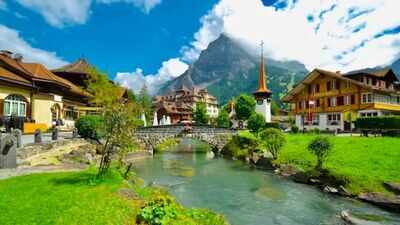
The Swiss village of Kandersteg could be destroyed by a landslide due to an unstable mountain rock formation, and scientists are linking the threat to thawing permafrost and glacier dynamics. The 1,300 residents of the village in Switzerland’s Bern canton live in the midst of a charming landscape including sharp peaks, white glaciers, steep green valleys and it is this natural surrounding that could take it over, as per a report by CNN.A mountainside rock formation called Spitze Stei, part of a mountain landscape increasingly affected by thawing permafrost, threatens to collapse the valley in a massive landslide. There has been a heightened threat of rockslides in Kandersteg since 2018, when paragliders noted that the rock formation was losing height and that pieces had broken off it, according to a Reuters report. “You are aware that it’s happening, but not afraid,” said Brigitte Jüni, an inhabitant of Kandersteg, to the CNN. She said authorities took all the precautions they could. “But then it’s nature. It’s nature, and you never know,” Jüni added.
Thawing permafrost
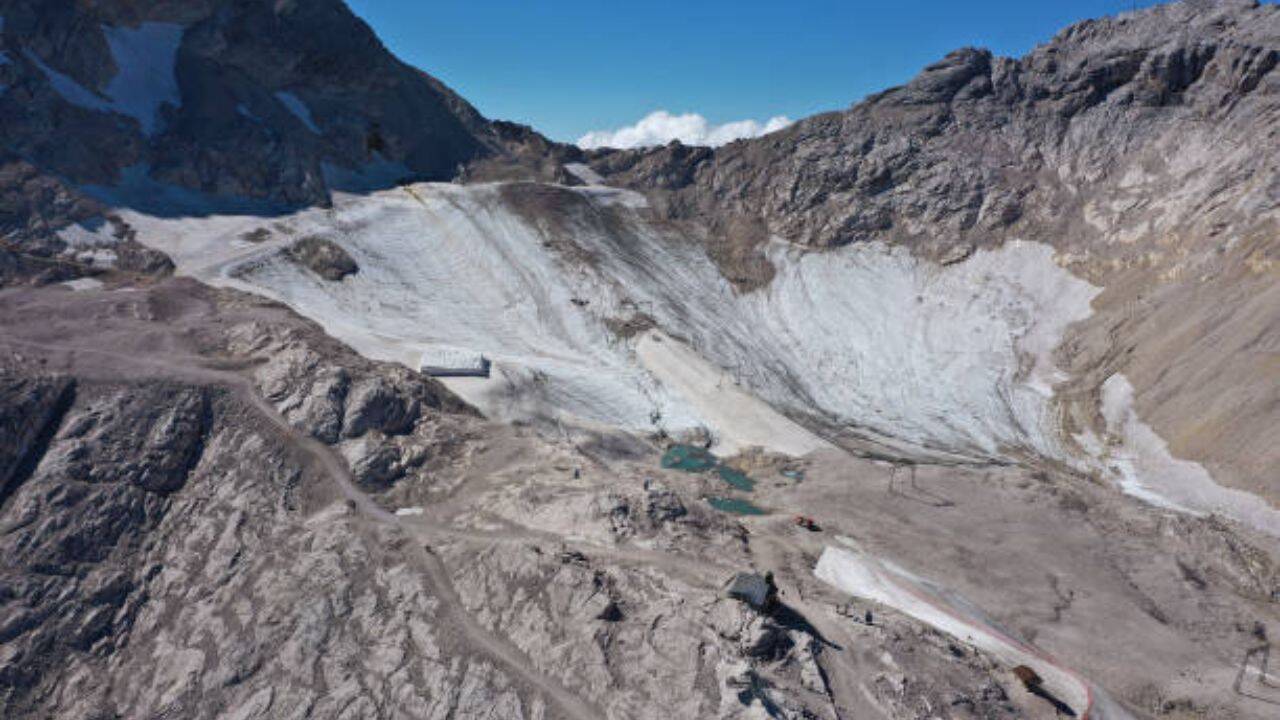
As glaciers permafrost thaw, the frozen soil sediment and rock that bind and hold mountains together melt due to higher temperatures caused by climate change, ultimately increasing the threat of landslides in the Swiss Alps.
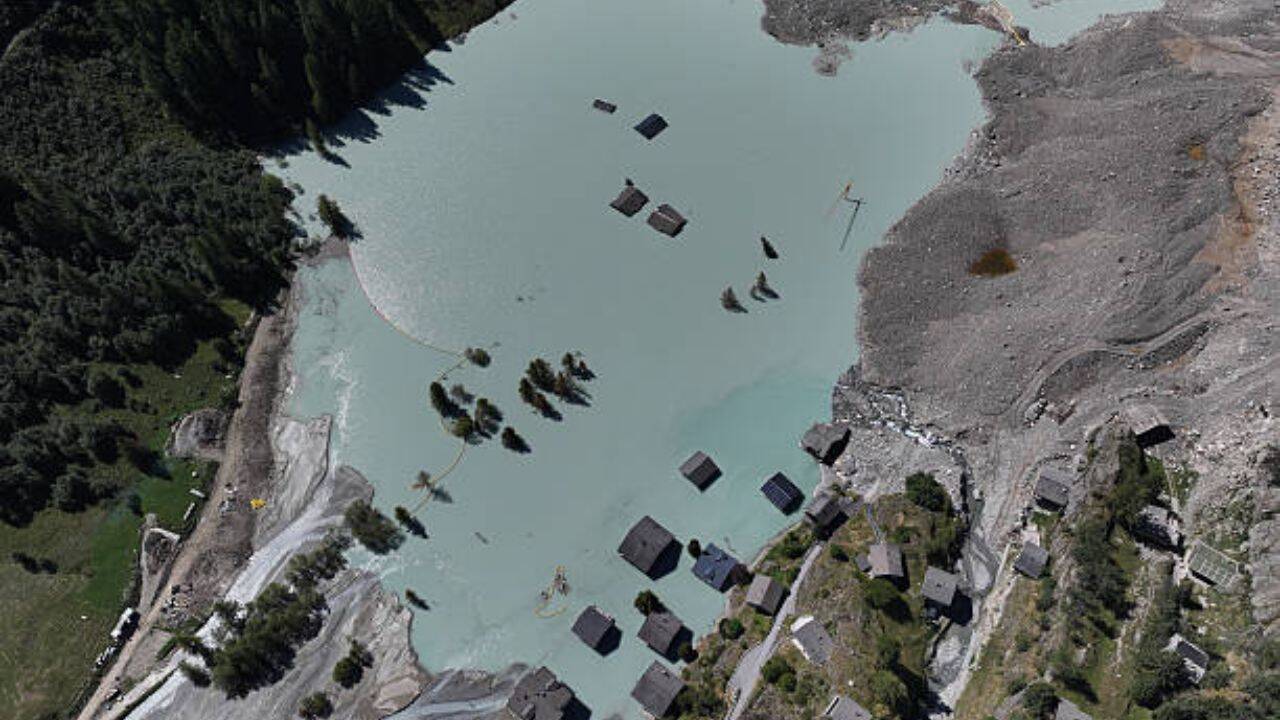
As glaciers permafrost thaw, the frozen soil sediment and rock that bind and hold mountains together melt due to higher temperatures caused by climate change, ultimately increasing the threat of landslides in the Swiss Alps. In May 2025, a huge mass of rock and ice from a glacier thundered down the mountainside in the nearby Loetschental valley, sending plumes of dust skyward and coating all of Blatten, a village with 300 residents, with mud. This village had been evacuated earlier as a precaution. Blatten was evacuated 10 days before the deluge, which caused insurance losses of 320 million Swiss francs ($400 million), an initial estimate by the Swiss insurance association showed.For Kandersteg, the threat is not immediate and thus people have not yet been evacuated. However, there are plans in place for an evacuation if necessary. The village’s dams and daily monitoring with researchers checking the mountain via GPS, radar and drone have it prepared to avert a disaster. In the event of major rock movement, residents should receive warnings at least 48 hours in advance.“This isn’t the same case as in Blatten. It’s a different situation,” said local resident Rudolf Isler. “We are not afraid of the Spitze Stei rock. It’s been many years seeing stones falling from up there. The problem here is about global warming and rising temperatures.”Kandersteg was a prime example of an area with historical structural instability that could be aggravated by many factors, including permafrost, said Robert Kenner at the Institute for Snow and Avalanche Research in Davos. “What calmed down for about 3,000 years is now reactivated,” he said. Sensors monitoring GPS locations on the Spitzer Stein showed the mountain shifting by up to 70 centimetres (2.3 feet) a day, said Kandersteg’s mayor Rene Maeder.
Just the beginning
Kandersteg has spent over 11 million Swiss francs ($13.81 million) on disaster preparedness, including dams to slow down flooding, said the mayor.
Kandersteg has spent over 11 million Swiss francs ($13.81 million) on disaster preparedness, including dams to slow down flooding, said the mayor. Residents, who get regular updates on the mountain’s movements via email and WhatsApp, have faith in the technology. “We still sleep well,” said Patrick Jost, head of Kandersteg’s tourism office, whose home is one of the most exposed to a potential Spitzer Stein collapse to Reuters.Markus Stoffel, professor for climate change and natural risks at the University of Geneva said climate change leads to the melting of both glaciers and permafrost. “In the mountains and in the unconsolidated debris, there is lots of ice,” Stoffel said. “Once this ice is melting, it acts like a cement. These mountain slopes will become increasingly unstable.”If the entire unstable section of the Spitze Stei, estimated at roughly 15 to 20 million cubic meters were to collapse, it would trigger a massive natural disaster. But the rock is under consistent monitoring, evacuation plans have been prepared and experts are of the opinion that it is more likely to break down gradually than in one huge chunk.Nathan Solothurnmann, a climate and energy expert for Greenpeace Switzerland, says that climate change means landslides or avalanches will become more common.“Maybe even one day we will have to abandon certain valleys or certain villages because it’s becoming impossible to live there,” Solothurnmann said. “Or the measure you will need to take to protect infrastructure is so expensive, the efforts are so big, that it’s not worthwhile anymore living there.”