The company also plans to deploy around 80% of the fresh issue proceeds toward sponsor commitments in its investment funds to support future growth.
The IPO comprises a fresh issue of ₹450 crore and an offer for sale of ₹100 crore, with a price band of ₹152-160 per share. Jain said the proceeds will primarily strengthen the firm’s investment platform by increasing capital commitments to existing and new funds rather than making direct investments in companies.
“We are arguably the first alternative AMC to go public,” Jain said, adding that the firm has multiple revenue streams, including management fees, performance fees and gains from sponsor commitments. He described the company as a 22-year-old business with capital that is typically locked in, providing visibility on future earnings.
Addressing concerns over the sustainability of performance fees, Jain said the business has reached a stage where earlier funds have matured and are generating recurring carried interest.
“It’s a sign of maturity. It’s a sign that some of the earlier funds are in a place where they can pay carried interest,” he said. “Once a fund comes into the territory of carried interest, then every realisation gives you carried interest.”
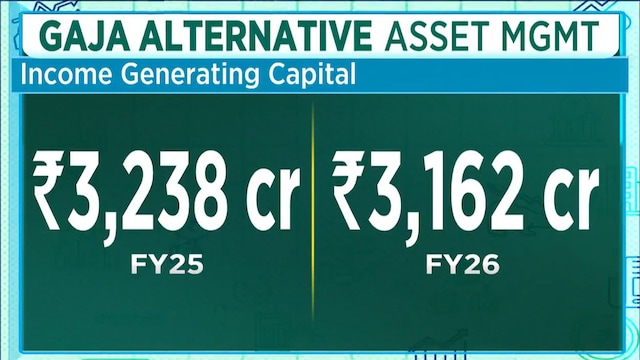
Jain said around 80% of the fresh capital raised through the IPO will be used as sponsor commitments across the firm’s funds, increasing its skin in the game. The company currently invests an average of 6.4% in its funds and plans to raise that to 10% over time.
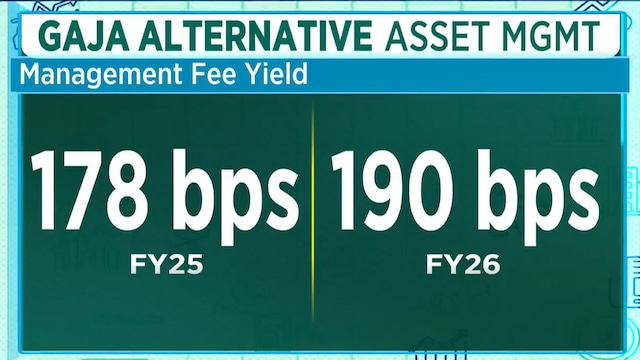
Explaining the firm’s revenue mix, Jain said management fees now account for a lower share of revenue because performance fees have started contributing meaningfully.
“The real play is around performance fees,” he said. “As that starts to come in, that’s when the business starts to accrete value.”
The company reported profit growth over the last three financial years, with net profit rising from ₹45 crore to ₹62 crore and ₹82 crore, while net worth increased from ₹330 crore to ₹600 crore.
Jain said negative operating cash flow reflected investments into financial assets rather than business weakness. He also clarified that receivables largely represent management fees payable by funds managed by the company, adding that the firm has never had an LP default in 20 years.
Jain avoided making financial projections but said the firm’s business model has become more stable as it now earns economics from multiple funds at different stages of maturity.
“We believe we are a highly modelable and predictable business,” he said.
For the full interview, watch the accompanying video

Catch all the latest updates from the stock market here