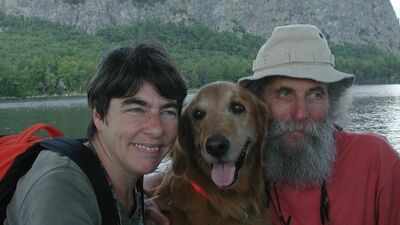
Roxanne Quimby has had a life for the books. The woman who has held multiple roles including that of an artist, homesteader, mother, storyteller, philanthropist and entrepreneur is the face behind what is possibly the world’s best-known lip balm brand. One that floods every woman’s Pinterest board and definitely her cart. While Quimby may be known for her business, what she is also known for is donations of Maine woodlands to the US government in order to protect the land, which later became a national monument, as per the Burt’s Bees website.
The finding of a businesswoman
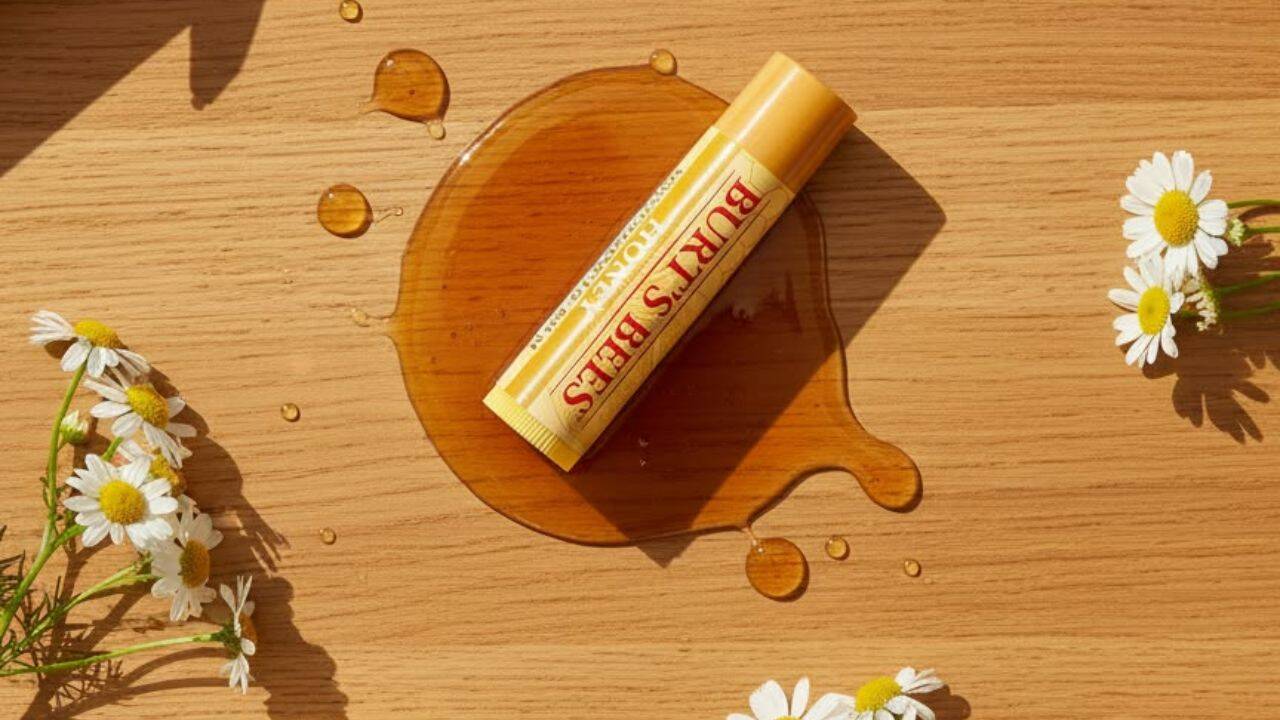
They introduced a Beeswax skincare line, including the famous Beeswax Lip Balm in a refillable terra-cotta pot, to their product lineup.
While her sisters followed in their father’s footsteps and went to business school, Roxanne drove cross-country from New England to go to art school to fulfil a dream she had since the age of five. After completing art school, she and her boyfriend George bought and fixed up a van and headed back to Vermont in search of land and to try their hand at self-sufficient living. They found thirty acres for the right price in Guilford, Maine and with no running water or electricity, they set out building a cabin, growing their own food, chopping their own wood and eventually raising twins. “It was an idyllic time—we never fought about what to watch on TV,” remembered Roxanne. Roxanne waitressed a couple shifts a week and George worked a couple days at the local radio station to cover minimal expenses, but they were deep in the DIY existence for seven years.Soon, the lifestyle began to wear on Roxanne and her marriage. “It didn’t provide enough stimulation for my personality,” shared Roxanne, “I’m kind of restless and a pretty curious person and interested in the way the world works.” It was the early ‘80s and the twins were six when she moved out of the cabin, determined to find a way to provide a good education for them, as her parents had for her.It was in the summer of ’83 that Roxanne was hitchhiking when she met Burt Shavitz, known around town as the local ‘bee man’ who sold honey roadside from his yellow pickup truck. She was intrigued by Burt, and they struck up a friendship where she would learn about beekeeping and, in exchange, help Burt with his hives. “He was an inspiration for how one could live—very independently and with their own unique set of rules,” recalls Roxanne.When she met Burt, his honey was packaged in reused gallon pickle jars from the local diner. After a summer of apprenticeship, Roxanne, ever the artist, suggested they package the honey in smaller containers with bespoke labels to sell at craft fairs, which were a big hit.When she discovered his 200-pound stash of leftover beeswax, she got busy learning to make beeswax candles in cute shapes like teddy bears and fruit. They decided on the name ‘Burt’s Bees’, mimicking a stamp Burt put on his hives to prevent theft. After a boutique in NYC started selling their candles in the late eighties, business really picked up. They introduced a Beeswax skincare line, including the famous Beeswax Lip Balm in a refillable terra-cotta pot, to their product lineup.The brand’s operations grew from Roxanne’s kitchen, old school house, and old bowling alley, until they had to move out of Maine altogether. She moved Burt’s Bees to North Carolina for a more business-friendly atmosphere.
For the love of the land
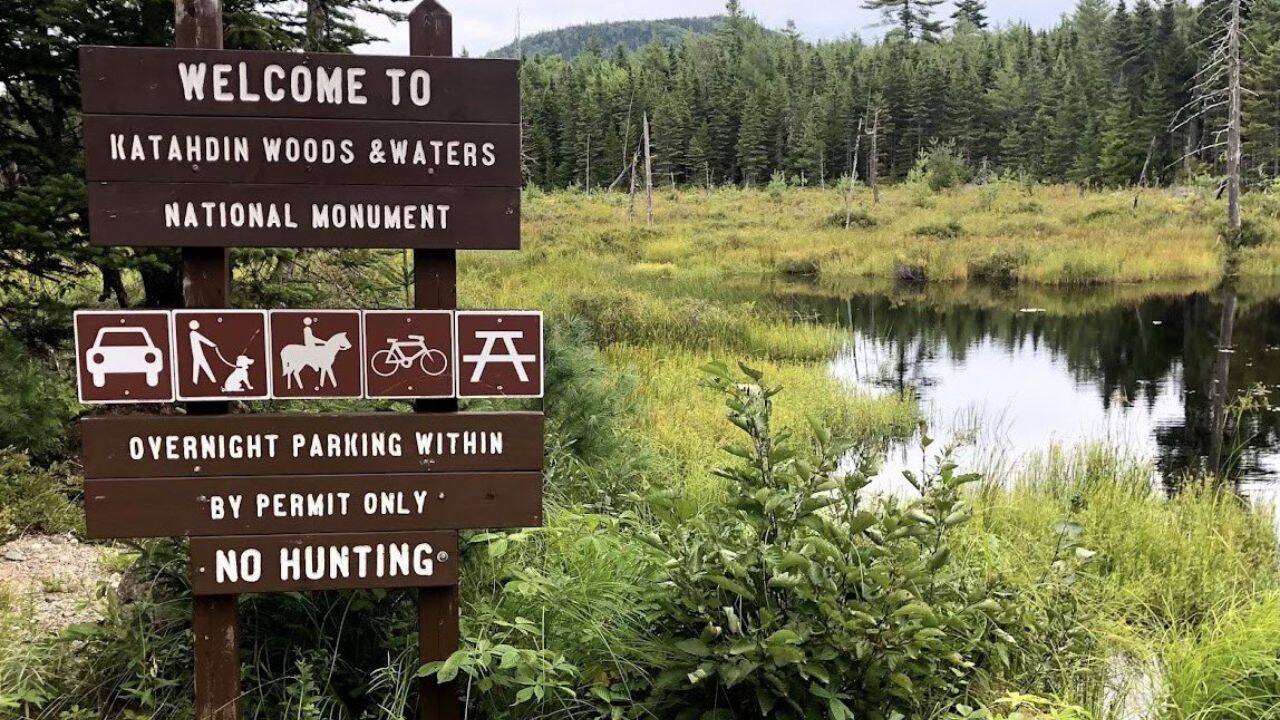
From 2001 – 2003, she spent $8 million to buy huge parcels of undeveloped land in northern Maine—nearly 16,000 acres in total.
Even when the brand moved to North Carolina, Roxanne kept the ties to Maine, commuting back and forth. Inspired by the essays of naturalist Henry David Thoreau, who spent time in the North Maine Woods, she became interested in preserving the woodlands just north of where the brand got its start. She even used the Burt’s Bees catalogue to promote the idea of a Maine Woods National Park, encouraging customers to get involved.In 1998, Roxanne purchased her first land in Maine with the aim of one day being able to create a national park in the same region that inspired Thoreau more than 150 years earlier. Since the end of the last Ice Age 12,000 years ago, the waterways, wildlife, flora and fauna, night skies, and other resources have attracted people to the area. Artists, authors, scientists, conservationists and others, including Teddy Roosevelt, Henry David Thoreau and John James Audubon –have also drawn knowledge and inspiration from the area’s resources.She continued to purchase land over time, with the goal of having it designated and protected. As the company grew more profitable, Roxanne sold 80% of her stake and continued to invest in land for conservation. From 2001 – 2003, she spent $8 million to buy huge parcels of undeveloped land in northern Maine, nearly 16,000 acres in total. She continued acquiring land, against quite strong opposition from logging communities who were using the forests and rivers to feed paper mills.In 2016, on the eve of the 100th anniversary of the National Park Service, Roxanne donated 87,500 acres of “awe-inspiring mountains, forests and waters” in Maine’s North Woods to be designated and federally protected as Katahdin Woods and Waters National Monument. The land gift was valued at $60 million and came with a $20 million endowment from Roxanne to support infrastructure development and operations. “In Katahdin Woods and Waters National Monument, you feel connected to something bigger than yourself. I can think of no better thing to do with Burt’s Bees profits than to return them to the earth,” she said.Back then, U.S. Secretary of the Interior Sally Jewell and National Park Service Director Jonathan B. Jarvis applauded President Obama’s designation of the Katahdin Woods and Waters National Monument, the first national monument to preserve the landscape and honour the history and culture of Maine’s North Woods. “As the National Park Service begins a second century of conservation this week, the President’s designation of Katahdin Woods and Waters National Monument serves as an inspiration to reflect on America’s iconic landscapes and historical and cultural treasures,” said Secretary Jewell. “Through this incredibly generous private gift for conservation, these lands will remain accessible to current and future generations of Americans, ensuring the rich history of Mainers’ hunting, fishing and recreation heritage will forever be preserved.”The Friends of Katahdin Woods and Waters, together with the National Park Service and Elliotsville Foundation, have worked closely with members of the Penobscot, Maliseet, Passamaquoddy, and Mi’kmaq Nations to include and respect indigenous expertise and perspectives in the development and stewardship of the Monument.In 2020, Katahdin Woods and Waters National Monument was recognised by the International Dark-Sky Association as the first International Dark Sky Sanctuary on the eastern seaboard of the United States and only the 12th designation in the world.