
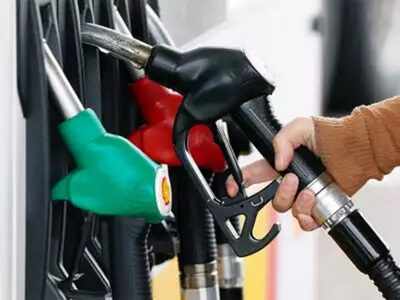
A month into the Middle East conflict, global crude markets remain under strain, with prices rising nearly 50% since the United States and Israel launched strikes on Iran on February 28, triggering a strong response from Tehran. Oil prices had earlier surged to as high as $119 per barrel amid heightened tensions involving Iran, before easing to around $100 per barrel. The ripples have now hit fuel prices and supplies across the globe.India, which meets about 88% of its crude oil demand and nearly half of its natural gas needs through imports, much of it routed via the Strait of Hormuz, faces growing pressure as elevated prices and supply concerns ripple through global energy markets. At the same time, neighbouring nations like Nepal, Sri Lanka and others have also introduced measures to deal with the supply crisis.India:The Centre stepped in to cushion both consumers and oil companies from the sharp rise in crude prices, lowering excise duty on petrol and diesel, a decision expected to cost the exchequer Rs 1.3 lakh crore. Fuel retailers such as IndianOil, Hindustan Petroleum and Bharat Petroleum are currently incurring losses of about Rs 24 per litre on petrol and Rs 30 per litre on diesel.To ease this burden, the government cut the special additional excise duty on both fuels by Rs 10 per litre. At the same time, it imposed export duties of Rs 21.5 per litre on diesel and Rs 29.5 per litre on aviation turbine fuel (ATF) to curb windfall gains.The government has said alternative arrangements are in place to reduce dependence on imports, especially from the Middle East. India imports nearly 90 per cent of its crude oil, about 60 per cent of LPG, and over half of its natural gas. While the country has reserves for up to 74 days, current availability is around 60 days.Nepal: Kathmandu saw a fresh round of fuel price revisions, with the Nepal Oil Corporation increasing petrol and diesel/kerosene rates by Rs15 per litre. The move comes less than two weeks after the previous revision on March 15.Petrol now ranges between Rs 184.50 and Rs 187 per litre across categories, with Kathmandu at the top end. Diesel and kerosene are priced between Rs 164.50 and Rs167 per litre. The corporation cited rising international purchase costs behind the price hikes, noting that petrol prices rose by Rs 76 per litre and diesel by Rs143 per litre between March 1 and 24.Bhutan:Bhutan is considering fuel-saving steps such as work-from-home arrangements and targeted rationing to conserve supplies as global prices rise. Authorities have said existing reserves are sufficient for now but may roll out stricter measures if the situation worsens, with a focus on prioritising essential services and limiting consumption.Pakistan:Pakistan has increased kerosene prices by PKR 4.66 per litre to PKR 433.40, while keeping petrol and diesel cost PKR 321.17 and PKR 335.86 per litre. Authorities said the decision aims to shield consumers, with the government continuing to absorb part of the cost burden by compensating oil marketing companies. Pakistan’s recent fuel price increases, along with earlier rises in petrol and diesel rates, have added to cost-of-living pressures, driving up transport fares and the prices of everyday essentials such as fruits and vegetables.Aviation fuel prices also surged, with jet fuel reaching PKR 476.97 per litre after repeated hikes. The rise has pushed up airfares, with both domestic and international ticket prices increasing amid supply constraints. Sri Lanka: Sri Lanka has raised fuel prices by around 25%, marking its second increase in a week and third since March 1. Diesel, petrol, and kerosene have all recorded sharp rises, bringing prices close to levels seen during the 2022 economic crisis. The increase has raised concerns among transport operators, with private bus owners warning of large-scale disruptions. The country also introduced a midweek public holiday for schools, universities and non-essential workers to conserve fuel. Alongside this, it reinstated the QR-based National Fuel Pass system, enforcing strict weekly limits on fuel purchases.China:China, the world’s largest producer and consumer of coal, has expanded its coal capacity in recent years to boost energy security and continues to depend on it even as it scales up clean energy.Myanmar:In Myanmar, rising fuel prices have led to shortages and restrictions, including limits on private vehicle use based on licence plate numbers. Petrol stations have seen long queues, while railway stations are witnessing increased footfall as commuters shift to trains. Additional train services have been introduced to manage the demand. Bangladesh: Meanwhile, as the energy supply crunch is sending ripples across the globe, Bangladesh has moved to step up diesel imports from India, with plans to bring in an additional 45,000 tons by April. Initial shipments have already arrived, with more expected after procedural formalities are completed. Supplies are being transported via the Bangladesh-India Friendship Pipeline from Numaligarh Refinery Limited to the Parbatipur depot. Imports through the pipeline had briefly halted but have now resumed. Meanwhile, universities, foreign curriculum schools and coaching centres have shifted to online classes. The situation has also led to five-hour rolling blackouts and the shutdown of most fertiliser plants due to gas shortages.Countries like Venezuela, Egypt, Vietnam and others have also stepped in to protect consumers while balancing the supply chain disruptions with measures like work from home, electricity cuts, oil rationing etc. As Iran tightens its grip over the Strait of Hormuz, a vital 29-nautical-mile-wide passage linking key regional waters, global energy flows remain at risk. The route carries nearly 20 million barrels of oil daily, making up about a quarter of global seaborne trade. Any disruption has widespread impact, prompting countries to respond through a mix of price hikes and tax measures to manage supply pressures and shield consumers.