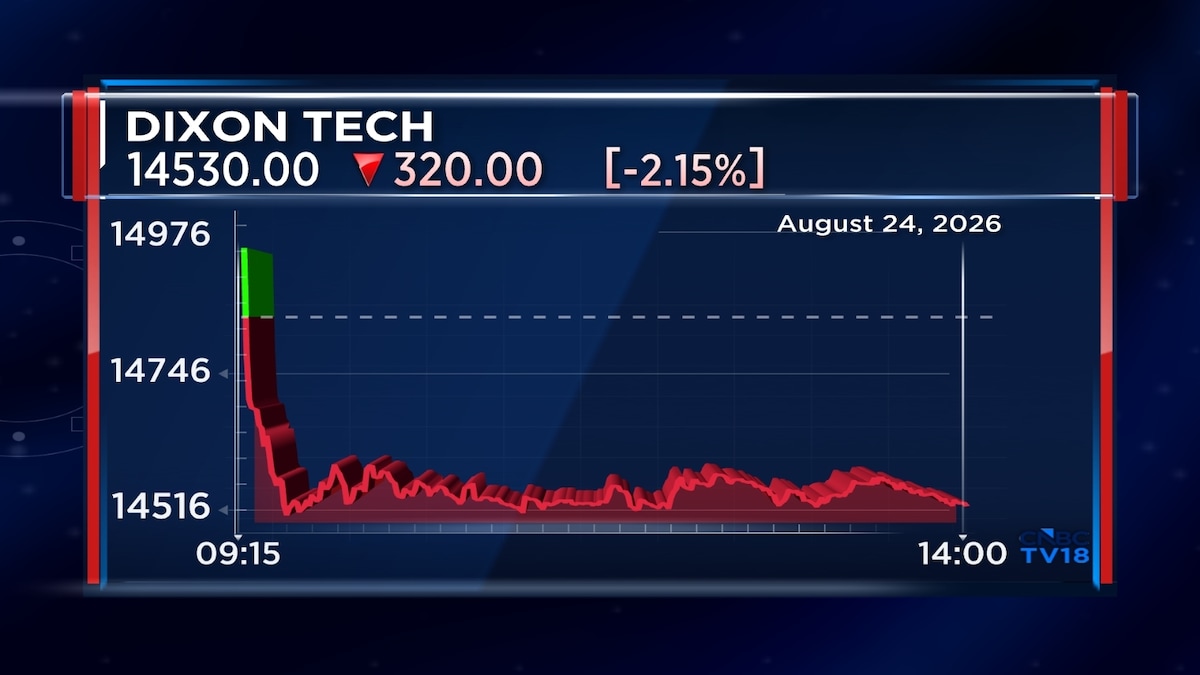
The sell-off in the stock of the nearly $9 billion electronics manufacturing giant from Noida was likely triggered by how the new policy was designed: to create brands and boost exports, not just increase local sourcing and production.
First, the Ministry of Electronics and Information Technology (MEITY) said the incentives will be paid to brands, not manufacturers like Dixon. If a brand uses more than one manufacturer, it must provide the required certifications to each manufacturer. The benefits could also be split between the manufacturers.
Second, the new PLI scheme rewards large mobile brands that keep increasing sales every year because the incentives will be paid only on eligible sales, which means sales above a moving benchmark.
Existing brands need to increase sales by at least ₹5,000 crore every year compared to FY26 levels.
For example:
FY27 sales must be at least ₹5,000 crore higher than FY26.
FY28 sales must be at least ₹10,000 crore higher than FY26.
FY29 sales must be at least ₹15,000 crore higher than FY26, and so on.
Since this benchmark resets every year, companies need to keep growing sales to keep earning incentives. This seems like a tall ask to us, especially beyond FY27, a BNP Paribas report released on Monday said.The stock had run up over 7.6% in the seven trading sessions before the announcement on Friday.
The government has set an aggregate production target of ₹39 lakh crore under the new mobile manufacturing push. Read more about the ₹62,500 crore PLI scheme set to run till March 2031 here.
(Edited by : Sriram Iyer)
First Published: Aug 24, 2026 2:10 PM IST