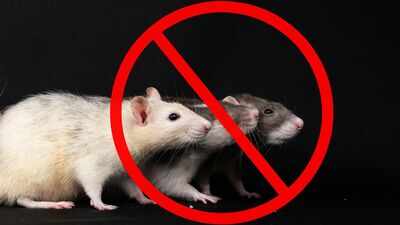
In 1996, New Zealand completed a major conservation effort with the eradication of two species of invasive rats from Kapiti Island, a 2,000-hectare nature reserve off the coast of Wellington. Official data released by the Department of Conservation (DOC) shows the removal of the introduced rodents has completely transformed the island’s natural environment. The native wildlife responded almost immediately. Over the following three years, the native saddleback population more than doubled, driving its annual growth rate up from a meager 1.3% to an extraordinary 33.2%. Eliminating non-native predators turned out to be the single most effective action for protecting vulnerable island species. Today, Kapiti Island remains one of the world’s greatest ecological comeback stories, proving what happens when practical field science and targeted conservation work together.Centuries of environmental damageLong before modern conservation teams stepped onto the island, Kapiti spent hundreds of years dealing with human disruption.The scene was set by the arrival of the Maori around 800 years ago with the Polynesian rat, or kiore. These small rodents raided ground-nesting bird sites, ate eggs, and wiped out native insects, throwing the food chain out of whack. When European whalers, traders and settlers arrived in the 19th century, they brought ship rats and Norway rats, making things a lot worse. By the mid-20th century, several native bird species had disappeared entirely from the island. Constantly eaten by hungry rodents, tree saplings and native seeds could not regenerate the forest naturally.The island’s original biological diversity was crumbling under continuous predator pressure.Executing the 1996 removal campaignKnowing that doing nothing would lead to total species loss, the Department of Conservation launched a targeted effort to wipe out the island’s rat populations. Clearing a rugged 2,000-hectare island required careful planning and intense physical effort. Field teams set up extensive baiting stations, established trapping lines, used aerial applications, and maintained strict biosecurity measures so no rodents could hide in steep coastal cliffs or hidden valleys.Conservation workers checked each zone to make sure traps were safe and that native birds were not harmed during the operation. Field crews worked long hours plodding through rough terrain and challenging weather conditions until every last rat was gone. This massive operational effort opened the door for a fantastic natural recovery.Rapid recovery across the islandGetting rid of the rodents produced immediate results throughout the ecosystem. With nests no longer vulnerable to hungry rats, native birds began breeding freely. The native saddleback population more than doubled within thirty-six months. The reserve also became a haven for other native species, such as kaka parrots, little spotted kiwi and local forest lizards, which spread across it.The turnaround went well beyond increasing numbers of birds. With rats gnawing on fresh shoots and feeding on seeds gone, the forest undergrowth soon rebounded. Lush carpets of native ferns, shrubs, and young trees soon covered the ground. This explosion of new plant growth provided ample food and shelter for native insects and birds, launching a self-sustaining loop of environmental health.Setting a benchmark for island restoration Kapiti Island soon attracted international attention by demonstrating that degraded island ecosystems can recover after removal of invasive predators. Conservation groups learnt that real success takes much more than a short pest control blitz. Keeping an island predator-free for years has required ongoing monitoring, flexible management and strict biosecurity regulations. Field biologists stayed on the island to measure plant density, count bird populations and check soil conditions to keep the recovery on track. Techniques honed on Kapiti Island are now being applied in restoration projects throughout the Pacific and around the world, demonstrating that removal of introduced predators is still one of the best ways to save species from extinction.A safe haven for the futureToday Kapiti Island is a thriving reserve where native birds, reptiles and plants live completely free of non-native mammalian pests. The island is an ongoing research site, giving scientists a front-row seat to study forest growth and bird breeding patterns. The managed public tours enable visitors to get up close to New Zealand’s rich natural history. The island’s success feeds into New Zealand’s wider Predator Free 2050 campaign to rid the entire country of invasive predators. Ultimately, the island demonstrates that dedicated human effort can undo past environmental damage and protect unique habitats for future generations.