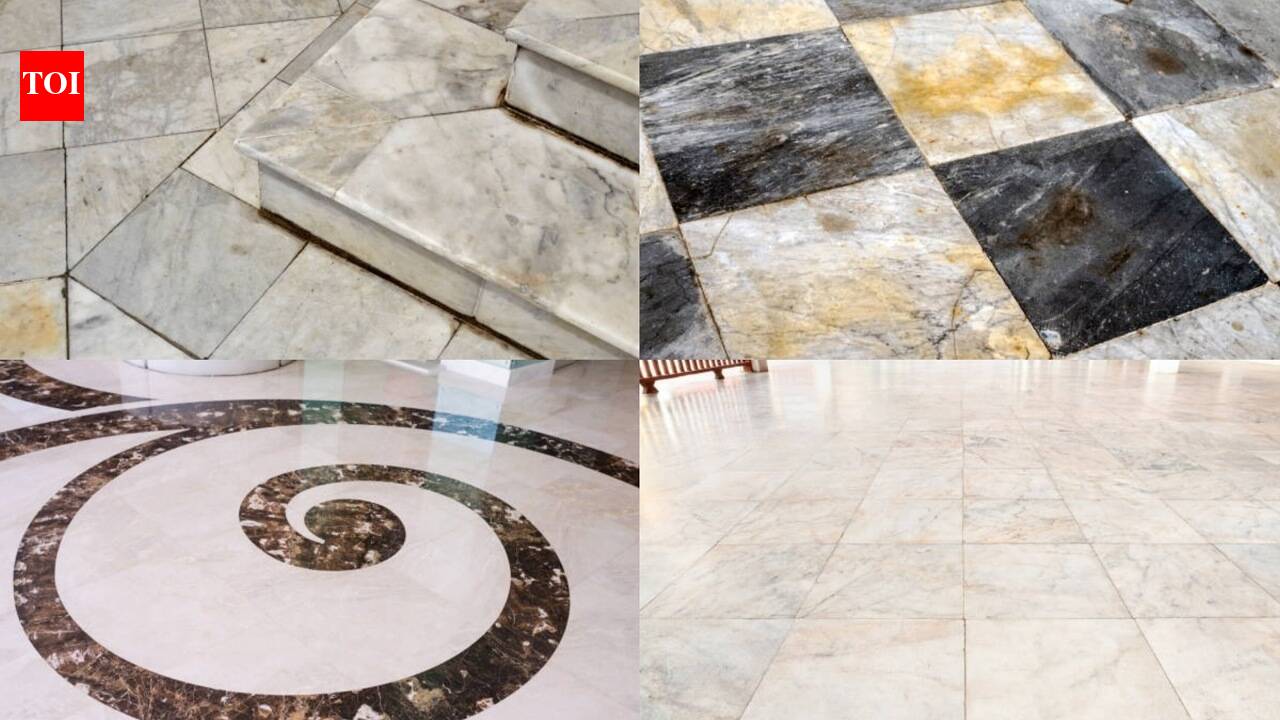
Marble has a reputation for looking effortlessly elegant, right up until the day someone notices that crisp white floor has quietly taken on a dull, yellowish tint nobody can quite explain. It’s one of the more common frustrations with natural stone flooring, and the frustrating part is that the yellowing usually isn’t caused by one dramatic mistake; it’s the slow buildup of several small, everyday habits that most people never think twice about. The good news is that once you understand what’s actually behind it, keeping marble looking genuinely white for years is far more manageable than it seems. Here’s what actually causes it and how to stop it before it starts.
Skip the vinegar and lemon, even though they feel “natural”
This is the single most common mistake people make, often while genuinely trying to do the right thing. Vinegar and lemon juice are popular go-to natural cleaners for almost everything else in the house, but on marble, their acidity actively etches the stone’s polished surface, wearing away the shine and exposing the softer, duller layer underneath. Once that etching happens, the roughened surface becomes far more prone to trapping dirt and grime in its pores, which is exactly the condition that leads to yellowing over time. Stick to cleaners specifically labelled as safe for natural stone, ideally pH-neutral, rather than reaching for kitchen-cupboard acids out of habit.
Keep a separate, dedicated mop for marble
This is a genuinely overlooked cause that professional stone restorers see constantly. Using the same mop across bathrooms, kitchens, and marble floors means whatever grime and residue that mop picked up elsewhere gets transferred straight into marble’s porous surface with every pass. Because marble absorbs far more than it looks like it does, that repeated cross-contamination gradually builds up inside the stone itself rather than staying on the surface where it’s easy to wipe away. Keeping one mop reserved specifically for marble, rinsed thoroughly and used with a proper stone cleaner, avoids this entirely.
Don’t skip sealing
Marble is a naturally porous stone, and an unsealed or poorly maintained seal leaves it genuinely vulnerable to absorbing water, oil, and everyday dirt straight into its structure rather than letting it sit safely on top. A quality penetrating sealer creates a protective barrier that keeps most of this out, but it isn’t a one-time job, marble generally needs resealing every one to three years depending on the type of stone and how much foot traffic it sees. Skipping this maintenance is one of the more direct paths to gradual yellowing, since every spill and every bit of everyday grime has an easier route into the stone without it.
Watch out for the wrong wax or coating
Not every floor coating is actually designed for marble, and this matters more than most people realise. Waxes, acrylics, and urethane coatings not specifically formulated for natural stone can themselves begin to yellow as they age, creating a discoloured film that has nothing to do with the marble underneath at all. Worse, as this kind of coating wears unevenly, it roughens the surface and turns it into even more of a magnet for dirt. If your marble was ever coated with a generic floor product rather than a proper stone sealer, that’s often the real source of a yellowish cast rather than the stone itself.
Wipe up spills immediately, especially water
It sounds almost too simple, but prompt cleanup matters more with marble than with most other flooring. Some marble naturally contains trace iron, and prolonged exposure to standing water can cause that iron to rust, quite literally, from within the stone, producing a yellow or brownish discolouration that’s genuinely difficult to reverse. Wiping up any spill, water included, as soon as it happens rather than letting it sit overnight removes most of the opportunity for this kind of staining to ever take hold.
Keep it out of direct, prolonged sunlight
This is a less obvious cause, but it’s a real one for marble positioned near large windows or used outdoors. Extended UV exposure can gradually alter the colour of certain marble varieties over time, and outdoor marble surfaces are particularly vulnerable to this kind of sun-related yellowing. Where possible, using curtains, blinds, or UV-filtering window film to limit how much direct sun hits a marble floor over the years helps preserve its original tone considerably longer.
Prevention beats restoration
Nearly every cause of marble yellowing on this list comes down to the same underlying idea: marble is porous, absorbent, and genuinely sensitive to what touches it, which means prevention is almost always easier and cheaper than fixing it after the fact. A dedicated mop, the right cleaner, proper sealing, and a bit of promptness with spills cover most of what actually keeps marble looking bright for the long haul.
Disclaimer:
This article is intended for general informational purposes only. Marble type, installation, and existing damage can all affect the right care approach. For significant yellowing, staining, or etching, consult a professional stone restoration specialist before attempting repairs yourself.