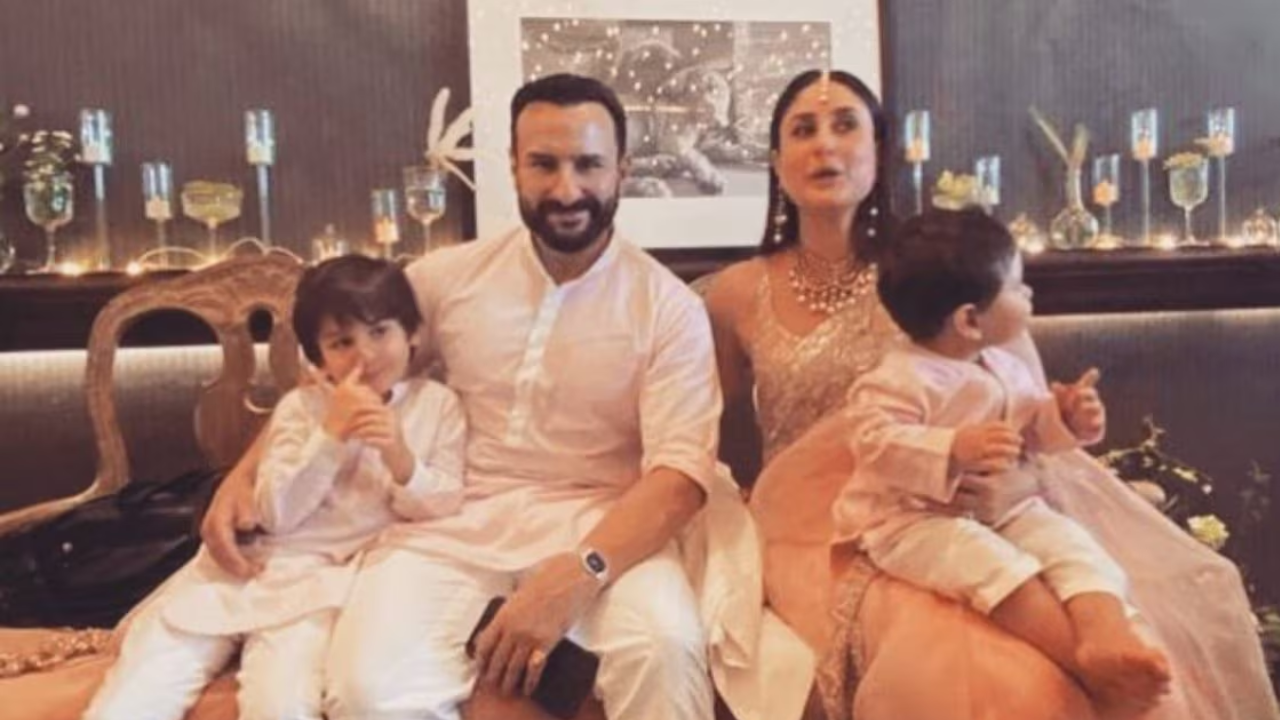
For many parents, being close to their child means knowing what is happening in their life. But as children grow older, that closeness changes. Friends become more important, conversations become shorter and the child who once shared everything may suddenly start keeping things to themselves.Actor Soha Ali Khan is already thinking about that shift as her daughter Inaaya grows up. In a podcast conversation on Yuvaa, Soha reflected on her own relationship with her parents and the kind of mother she wants to be for her daughter. “I’m still confused as to whether I want Anaya to tell me everything or not,” she said. “I want to know. And I would like to be that mother who is there for you.”
28 Jul 2026 | 16:22
How do you teach children about money and financial responsibility?
“My mother said, I’m not your best friend, I’m your mother”
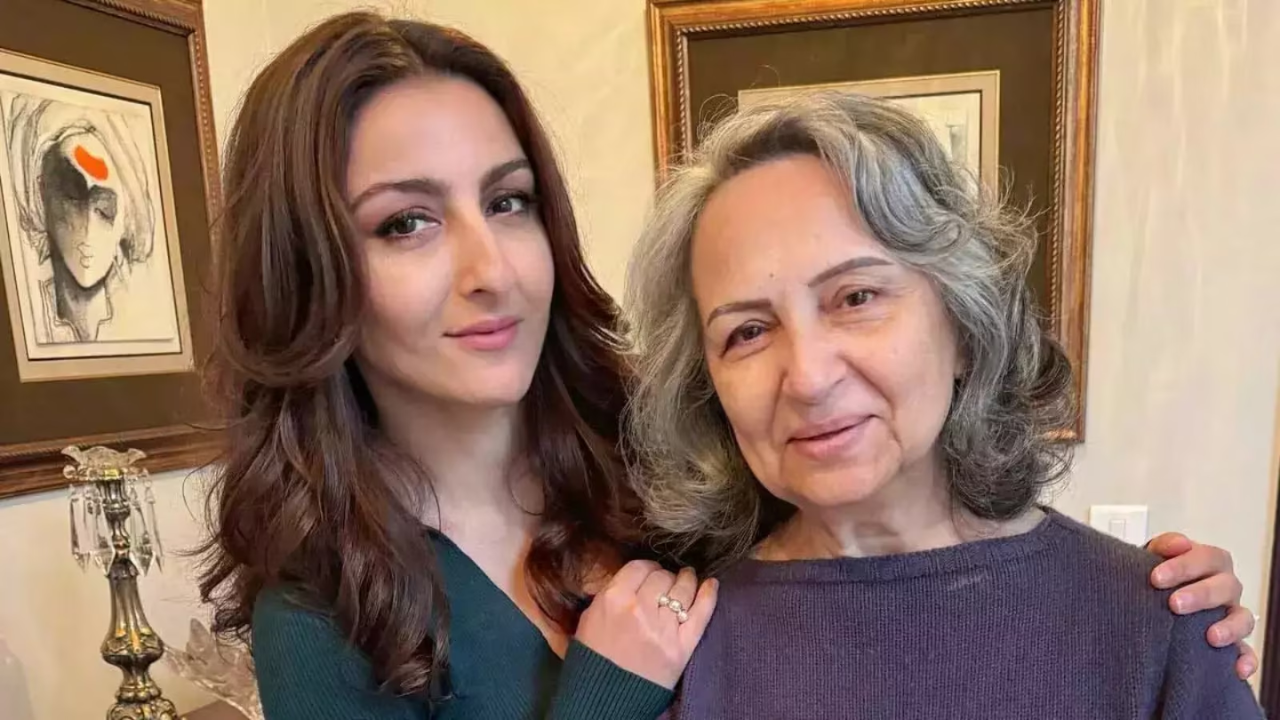
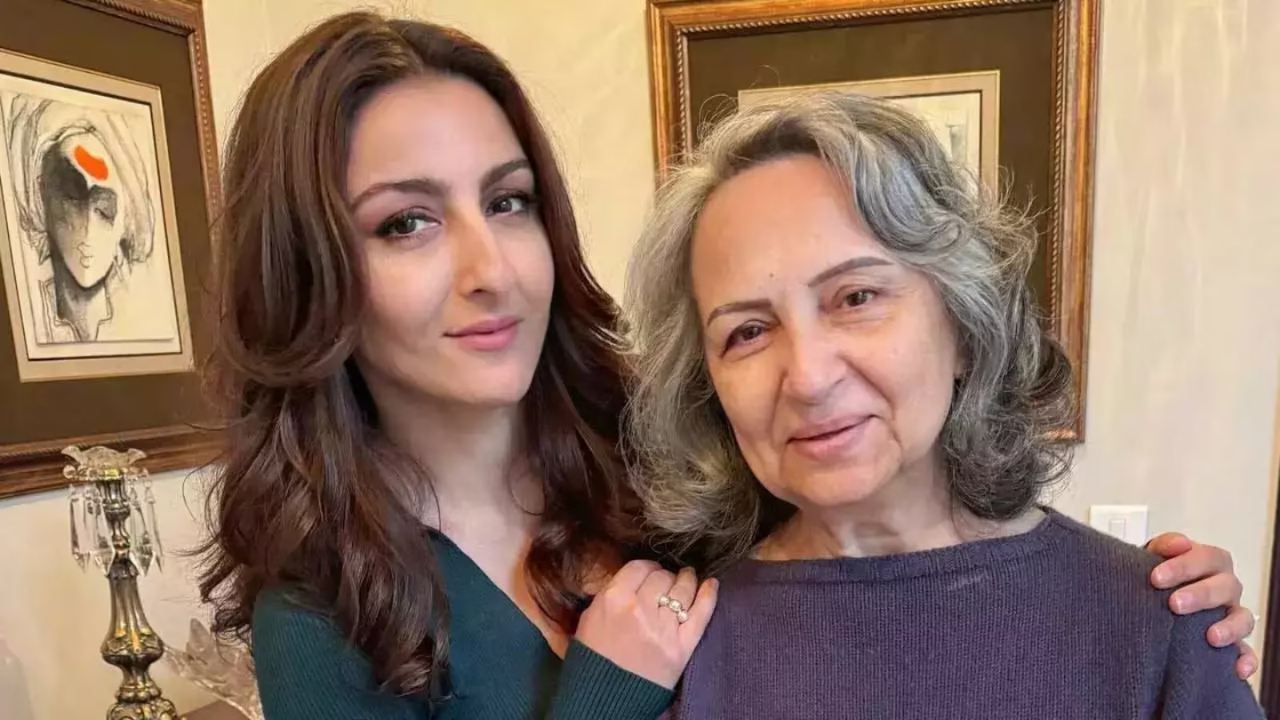
Soha Ali Khan shares a close, loving bond with her mother, veteran actress Sharmila Tagore.
Soha recalled that her own mother had a very clear idea about the parent-child relationship. “My mother said, I’m not your best friend, I’m your mother. You have friends, you can speak to them about a lot of things. You don’t need to speak to me about everything.” Her mother’s approach was different from what Soha now wants for her daughter. “I would like to be that mother who is there for you,” she said.Soha also pointed out that parents are shaped by the families they grow up in. “I think, you know, we’re all conditioned by our own parenting.” Her own father, she explained, had grown up with loss. He lost his father when he was very young.“On his 11th birthday, my grandfather passed away. And as a result, he never celebrated his birthday until his 70th birthday. And then he passed away when he was 70.”Soha described her father as someone who was not comfortable with long conversations. “We would not have long conversations. He didn’t like talking also.” Even when she was studying in England, their phone calls were brief and practical.
Soha was also raised with a very different idea of adulthood
“I was also the third child. And the thinking was, when you turn 18, you have to leave home. Then you’re an adult. We’ve guided you. We’ve educated you. We’ve invested in you. Now you go away to another house and we are there for you.”Her own experience of becoming a mother came much later. “We also had Anaya when I was 38. So quite late in life. I wanted to be a hands-on parent.”She added, “I also have one child. So I understand that there’s a phase. It will come and go.”And that phase has already started. “She’s already 8 years old. She’s already not hugging the way that she used to. Not sharing the way that she used to. Not kissing the way that she used to.” Soha even described the familiar moment many parents of older children will recognise. “Now when I go and kiss her cheek, she moves her face like this. And I’m like, just come here.”“So it’s all going. Her influences are her friends now, not so much me. So it’s a phase.”Rather than trying to hold on to the closeness of early childhood, Soha’s approach is to stay available. “I would say, hold on. I’m very present. I’m there.” For her, bedtime has become especially important. “That bedtime is sacred to me. So that’s when we have the most meaningful conversations.”
Sometimes children say more when they don’t have to speak
Soha also remembered how her mother stayed emotionally connected to her when she went to England. “When I went to England, my mother wrote me a letter every week. Four, five-page letters. And things that she couldn’t say to me, face-to-face she would write.” The letters did not mean they agreed on everything. “And we had friction over things.” But the relationship remained intact. Soha again remembered her mother’s words: “My mother said, I’m not your best friend. I’m your mother.”
“You come and tell me everything. And I will be on your side”
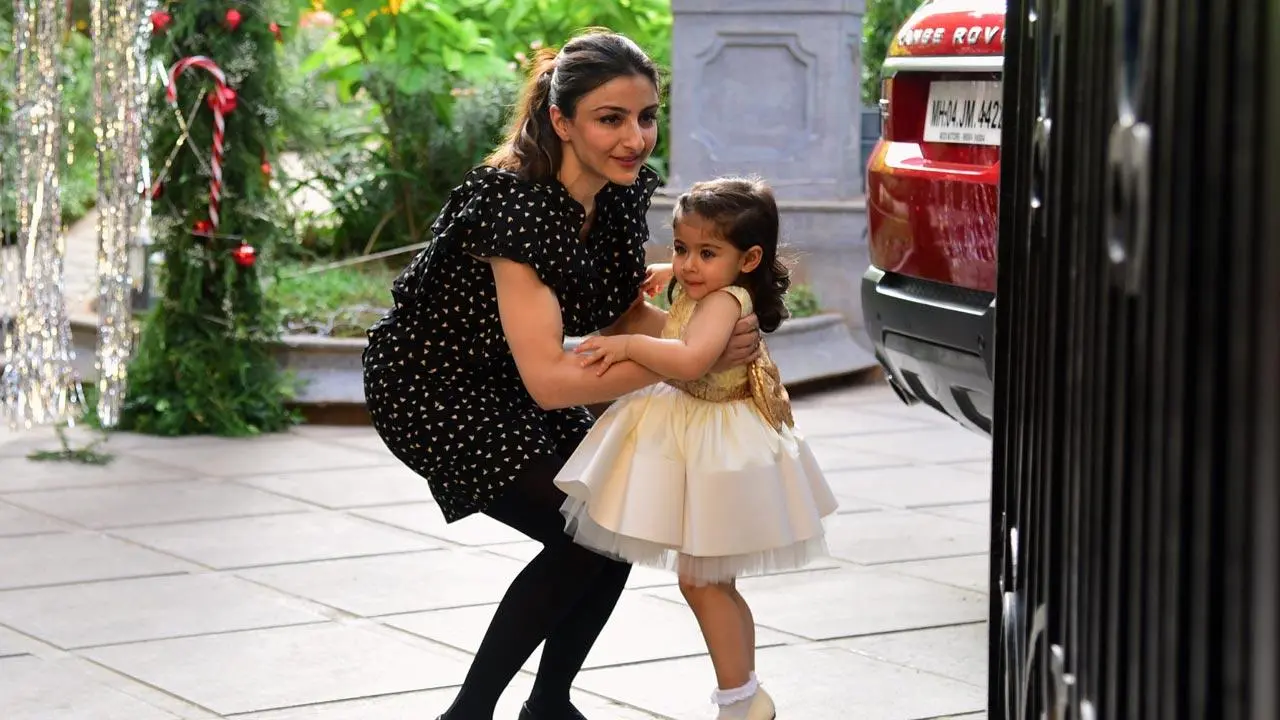
Soha with Inaaya.
Soha has decided what she wants her daughter to know when she makes mistakes. “I’ve told her, you make mistakes. You will make mistakes.” And then comes the promise she hopes will keep the door open. “And I said, you come and tell me everything. And I will be on your side. I will always help you.” But being on a child’s side, she is clear, does not mean protecting them from every consequence. “You may have to own up for what you’ve done. You will have to own up for what you’ve done. And you have to take accountability. And there will be consequences.”
Lesson for parents: Make honesty safer than hiding
Soha’s approach offers a practical lesson for parents: if you want your child to tell you difficult things, the first conversation cannot always begin with punishment. Children need to know that telling the truth will not automatically make the situation worse.That does not mean parents should ignore bad behaviour. A child can be held accountable and still feel supported. A teenager can lose a privilege, apologise or face a consequence without feeling that they have lost their parent’s love.Parents can also create small, regular opportunities for conversation instead of waiting for a “serious talk”. A few minutes at bedtime, a walk together or a drive without phones can sometimes work better than sitting a child down and asking, “Tell me what’s going on.”And when a child finally shares something difficult, the first response matters. Instead of immediately asking, “How could you do this?”, a parent can start with, “Thank you for telling me.”