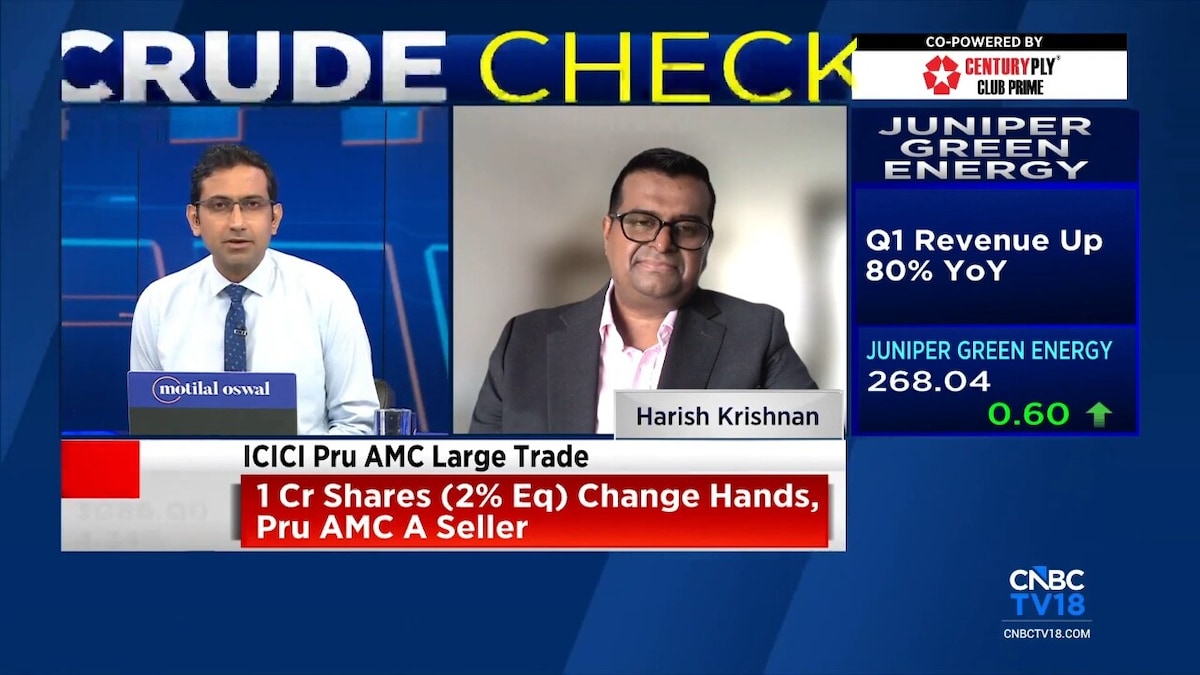
For India, Dennis sees the return of sustained foreign institutional investor (FII) flows as the key catalyst. While the rupee has stabilised and relative valuations have improved, he says continued IPO supply could constrain the market and that, for now, “it’s all down to FII money.”
This is an edited transcript of the interview.
Q: The war continues to simmer on, US bond yields are surging, gold has made a comeback, and tech earnings continue to remain strong. So, assess the emerging market turf for us as things stand.
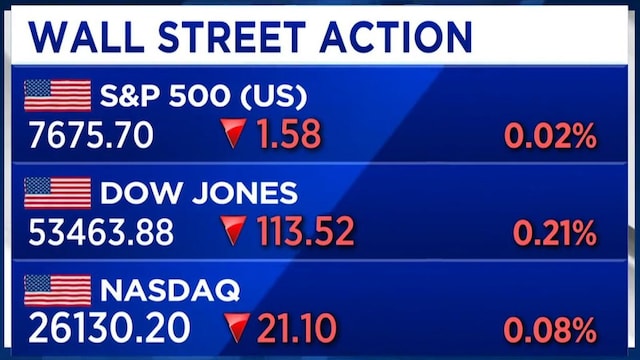
A: Emerging markets continued to do pretty well. They’ve come off their high in mid-June, but then the S&P and the Nasdaq have done the same thing, so no particular major surprise there. And obviously, as your viewers will know, you’ve seen a big sell-off in Korea and Taiwan, which have been driving the emerging markets this year. In fact, strip those two out, and EM has not done particularly well this year.
Now, given the background we’ve got here, which I think personally is the danger that bond yields go higher, there’s certainly, as we all know, a big focus on the size of the US debt, at $40 trillion, and uncertainty about exactly what the Fed is going to do, and how they’re going to do it, and how they’re going to explain it. So, there are a lot of reasons that are giving you a little bit of a pause here.
On the other hand, that’s translating into a slightly weaker dollar, and that’s usually good for EM. So, I think EM looks reasonably placed unless the US stock market were to fall sharply from here, and I’m not sure that’s going to happen.
Q: The risks evenly balanced when it comes to emerging markets for now, but within the basket, are you less excited about Korea and Taiwan after the recent underperformance or correction that we’ve seen? Is India making a comeback? Is it moving up the pecking order?
A: I am not particularly negative about Korea, Taiwan. Obviously, they had a big sell-off. They’re starting to rally a little bit, and I have a lot of faith here in the technology rally in the US and the AI rally. I think it goes further. And clearly, that will be the major driver of Korea and Taiwan. So, I would still be fairly heavily invested in Korea and Taiwan.
I think the challenge in India, and we seem to be talking about this, even though I’ve not been on the show for a while, for many, many months, is finding the catalyst. And the obvious catalyst in India is going to be the return of foreign FII money. And as far as I can see, that’s still not really happening.
The rupee has stabilised, which is helpful. The dollar’s gone down; that’s useful. The oil price has come back a little bit, but oil at, you know, $80 to $90 (per barrel) for Brent is still a major challenge for all these big oil importers. And so, I think it’s just hard to see where the catalyst is for India.
India is down 9% in dollars this year. China is down 9%. Aside from Korea, Taiwan, I’m keeping an eye on Latin America, where you’ve seen a big sell-off recently. Both Brazil and Mexico, I think, look reasonably well placed. And that’s kind of how I’d see it at the moment.
Q: There’s also, of course, I mean, the other issue is that it’s a market which is absorbing all this selling. The IPO market is extremely healthy. So yes, while the global stuff is there, humongous amounts every day, promoters are selling. There are new IPOs and all sorts of paper hitting the market, old and new. And I think that perhaps also takes a fair bit of liquidity away, at least local liquidity, which has been keeping things up.
A: I mean, I think if you look at that with respect to the US, there’s a lot of cash still available in the US and the potential for rotation from other sectors, if attractive, perceived to be attractive AI or technology companies come to market. So, I don’t expect the market to be completely saturated by IPOs.
Now, I think India is different because the pool of money is, by definition, I think, smaller, less deep, and I think therefore, if you continue to get a big surge of IPOs as far as India is concerned, I think that will be something that will constrain the market.
So, I go back to what I said in my last answer. The driver of India is going to be when you start to see a sustained move higher, sorry, a sustained return of FII money. Relative valuations have come in quite a way, although India is still, of course, expensive on an absolute basis, and the currency is behaving better.
There’s not a lot of room for the central bank to cut rates, if any, at this point, and so I think it’s all down to FII money, frankly. And yes, you do have to worry a little bit about the potential supply coming into the market. But I’m less worried about that supply in the US.
Q: Going by the fact that you continue to be quite optimistic on Taiwan as well as KOSPI, you believe the AI trade is alive and kicking, right? It still has a good distance to go from here.
A: I think the way to look at it is to say that the period of just extremely strong, excessively strong, you know, blowout performance by these sectors and, in the case of emerging markets, by Korea and Taiwan is probably over.
But I think the alternative whereby you’re going to get a return to heavy selling, I think, is also unlikely. So, what I would say, and of course you never get this perfectly in these markets, especially technology-driven markets, but I think we’re going to gradually move higher with, I’m sure, a lot of volatility.
So, I don’t think the AI trade is over at this point, but it’s going to become slower and perhaps more volatile and perhaps more specific stock by stock, at least as far as the US market is concerned.
Watch the full conversation here

The big concern here, forgive me, let me say this, is do we get a major further sell-off of the US bond market? Because if we do, and that’s entirely possible, that means, I think, most of these bets on stocks will be off, at least for a period of time.
Catch all the latest updates from the stock market here