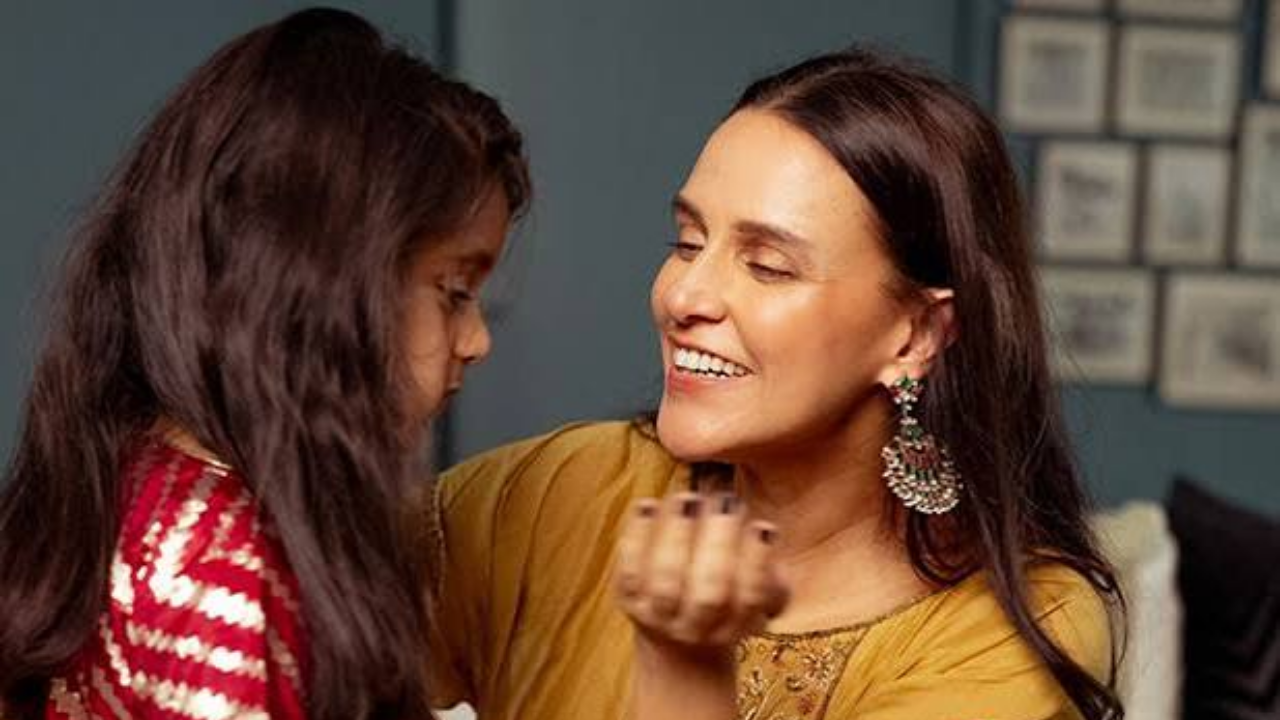
For many parents, a child’s first words are usually words like “mumma”, “papa”, “paani” or the name of a favourite food. For actor Neha Dhupia, one of the earliest words she wanted her daughter to understand was something very different. It was “bas”, or enough.Dhupia recently spoke about parenting and consent in an interview with Bollywood Bubble, explaining why she wants her daughter to know that she has the right to say no, set boundaries and use her voice from an early age.
28 Jul 2026 | 16:22
How do you teach children about money and financial responsibility?
“Bas bol do”
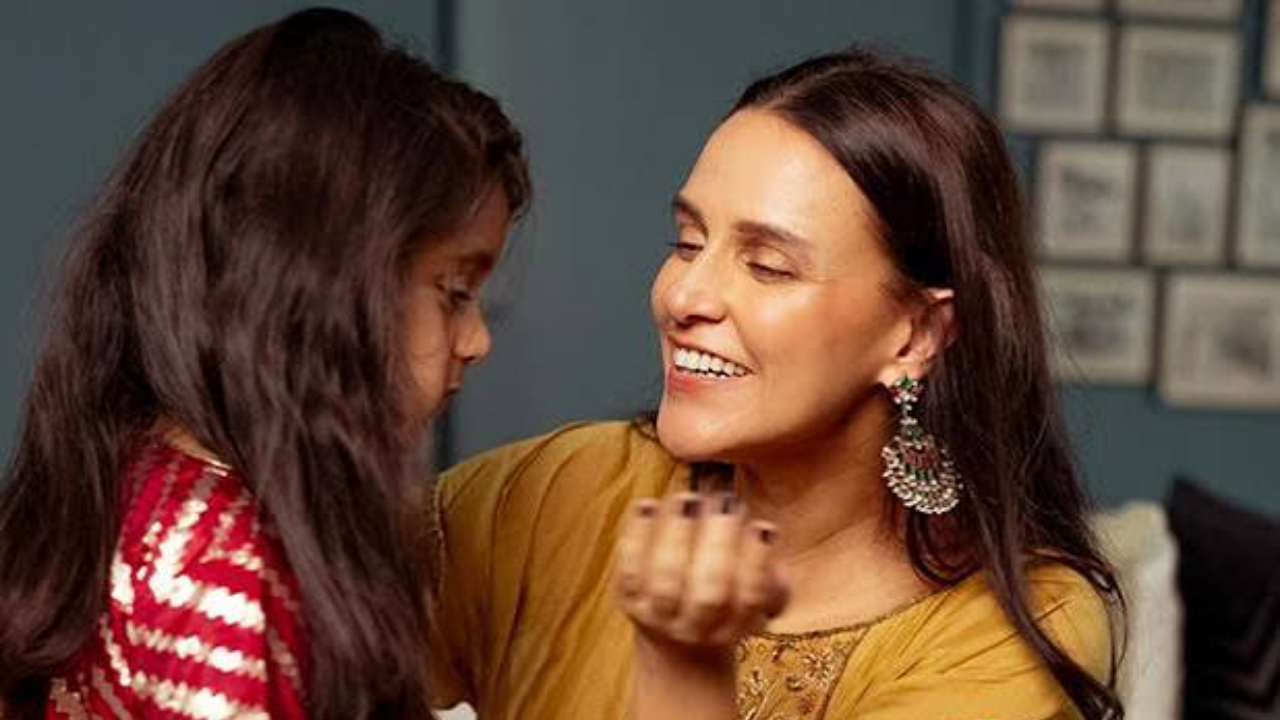
Neha Dhupia with her daughter.
Speaking about what she teaches her daughter, Dhupia said, “So, literally the first word I taught my daughter was bas, ki khaana nahi khaana, bas bol do.” For her, the word is not simply about refusing food. It is about helping a child understand where their boundaries lie.“You should know where your boundaries lie,” she said. Dhupia explained that her daughter now uses the word herself when she does not want something. “Today she applies it, ‘No, bas, I don’t want it,’ because it is a way of showing consent, right? It is so important, you know where your boundaries lie.”The actor also pointed to everyday situations where children are often expected to quietly accept things adults consider harmless. “Yeh nahi koi muh mein khaana dali jaa raha hai (It’s not like someone is putting food in your mouth), or somebody is pulling your cheeks. No, bas, I don’t want it.”“You’re not someone’s toy and it needs to be told immediately,” she said.
“No means no” should not depend on the child’s personality
Dhupia also made it clear that she does not want her daughter to be encouraged to be outspoken simply because she is the child of a strong woman or a celebrity. “And I’m not coming from a place ki woh haan, iski maa, like a lot of times haan, yeh toh aise hi niklegi, yeh toh tagdi niklegi (Oh, she will turn out like this because she has a strong mother). No, I don’t need that.”For her, this is a basic part of parenting rather than something dependent on her own public image. “Even if I wasn’t on an adventure-based reality show, I would give my child this upbringing to stand up on their feet, to have a voice, to be able to use it,” she said. “Make sure you understand my consent is bas, no means no.”
Why teaching ‘no’ is different from teaching children to be rude
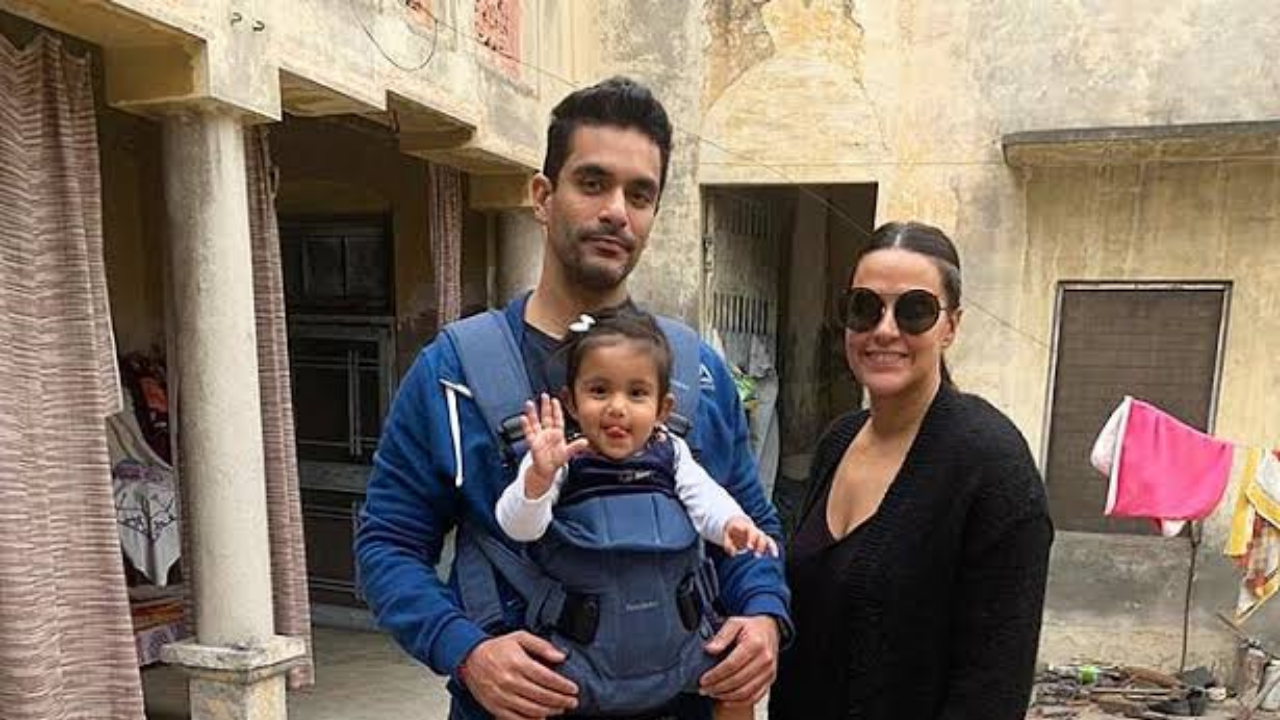
An old picture of Neha Dhupia with her family.
Teaching a child to say “no” does not mean encouraging them to reject every instruction or behave rudely with adults. It means helping them understand that their body and personal space belong to them.A child can be taught to greet relatives, share toys and listen to parents while still being allowed to say, “I don’t want a hug,” “Please don’t touch my hair” or “Stop.” This can be particularly useful in families where children are often expected to hug relatives, accept kisses or tolerate cheek-pulling simply because the person is older or a family member.Parents can change that conversation without making the child fearful of others.
A simple parenting practice: stop forcing ‘yes’
One practical way to build this habit is to stop treating every “no” as something that needs to be immediately defeated. If a child says they do not want a hug, parents can say, “Okay, you can wave instead.” If they don’t want someone to kiss them, they can be allowed to say hello without physical contact. If they are full and don’t want another bite of food, parents can ask, “Are you sure you’re done?” rather than forcing them to finish.But boundaries should work both ways. Parents can also teach children that saying no comes with responsibility. They cannot hurt someone, take another child’s belongings or ignore an important safety instruction simply by saying “no”.