“If prices remain this high, of course, I think the company is going to take its call, in terms of what sustainable margins they want to work with in the near term,” Sen said.
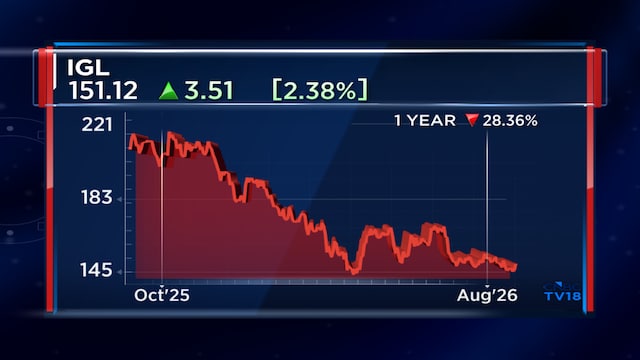
IGL’s margins came under pressure in the April-June quarter of 2026 (Q1FY27), with gross margins falling to around ₹12 per standard cubic meter (SCM) and earnings before interest, taxes, depreciation and amortisation (EBITDA) declining to ₹3.4 per SCM, according to Sen. The latest price hike could improve margins by around ₹1.2-1.3 per SCM, but this would still leave the company below its target of ₹7 per SCM in EBITDA.
Sen expects IGL’s EBITDA to be around ₹4.5-5 per SCM in the July-September quarter of 2026 (Q2FY27), based on current LNG prices. However, he said this remains about ₹2 per SCM below the company’s annual target. September LNG prices will therefore be important in determining whether further price increases are needed.
“Either that, or gas prices soften,” Sen said, pointing to the two possible ways for IGL’s margins to improve. A resolution around the Strait of Hormuz could also help bring down LNG prices, reducing some of the pressure on city gas distributors (CGDs).
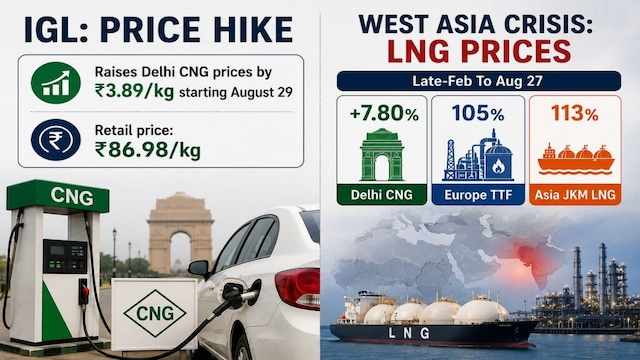
The pricing pressure is not limited to IGL. Other city gas distribution (CGDs) companies, including Mahanagar Gas and Gujarat Gas, have also taken staggered price increases, with the pace depending on their gas sourcing mix and the prices of alternative fuels.
However, Sen said CGDs may not necessarily aim to immediately restore margins to their earlier levels. New government regulations encourage companies to increase customer penetration and expand their networks, which could lead them to accept some margin pressure in the near term.Watch the full conversation here

“There could be some compromise on margins in the near term,” Sen said, adding that price increases will likely be decided while balancing profitability with the goal of adding more CNG customers.
Catch all the latest updates from the stock market here