For Jaykumar Vaidya, the journey to NASA began in an 8×10-foot room in Maharashtra’s Kurla,, where he grew up with his mother and grandmother and where even paying school fees could be a struggle. There were times when Vaidya survived on half a vada pav, studied under streetlights and took up odd jobs from the age of 11. Some people who knew his family even suggested that he should become a driver. Years later, the same boy from a Mumbai slum would find himself working at NASA’s Goddard Space Flight Center in the US, developing and operating instruments used to study planetary atmospheres.According to NASA’s official website, Jaykumar J Vaidya is a Ground Support Equipment Engineering Lead and Ground Systems Operations Lead at NASA’s Goddard Space Flight Center today. His work includes instruments associated with missions studying Mars, Earth’s upper atmosphere and the Moon.
Life in Kurla: an 8×10 room, odd jobs and streetlights
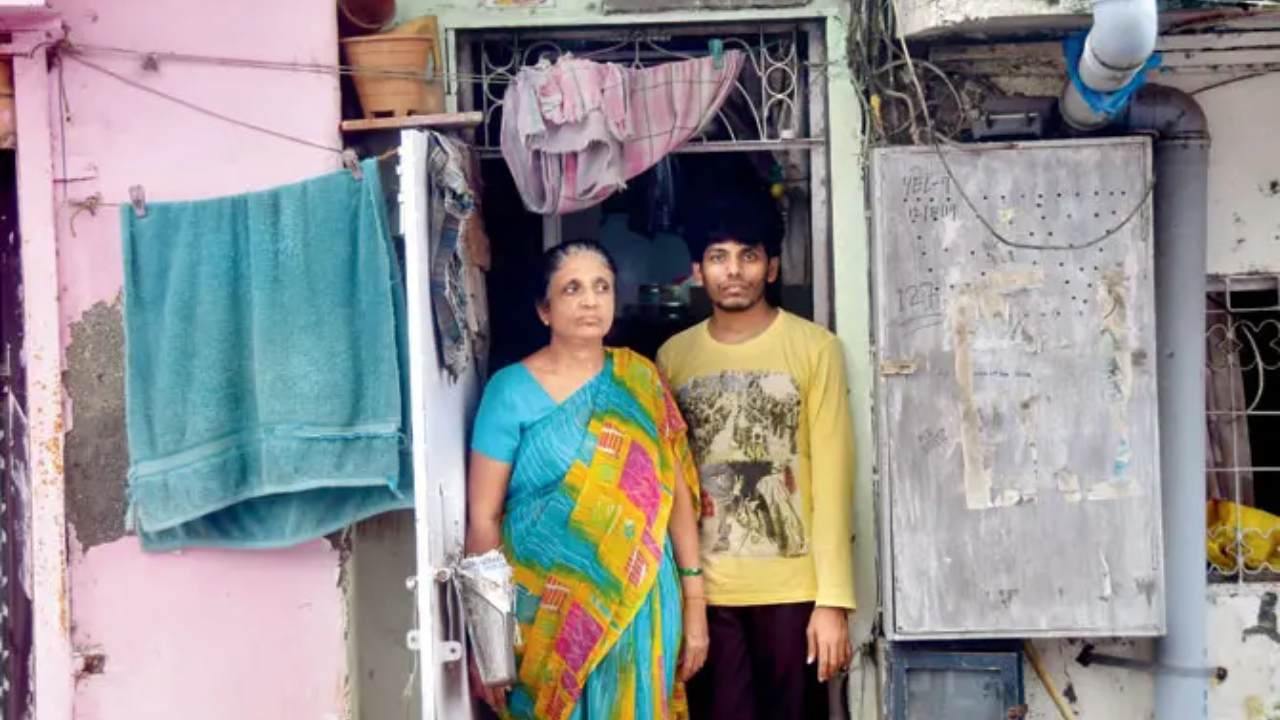
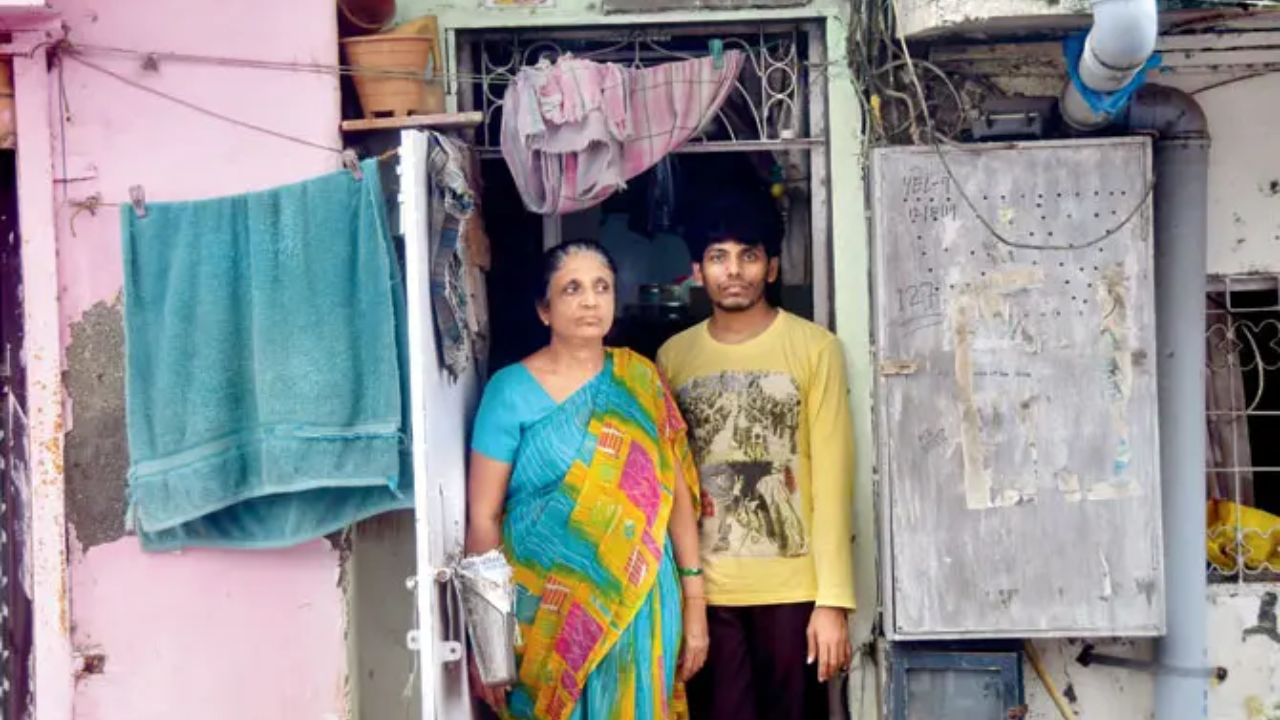
The family lived in a small room in a Kurla slum, and money was often short enough that food and education were both difficult to manage. (Photo credit: Mid-day)
Vaidya was raised by his mother, Nalini, a single parent who was the family’s sole earning member. According to Mid-Day and various media reports, the family lived in a small room in a Kurla slum, and money was often short enough that food and education were both difficult to manage. “There were times when I was barred from writing my school examinations as my mother could not afford to pay the fees of R300-700 on time. We would both survive on a single vada pav at times. To save cooking gas, my mother would make extra chapattis to last for three to four days,” Vaidya said in an old interview.His mother worked to support his education, while Vaidya began doing odd jobs when he was still a child. His interest, however, was not limited by his surroundings. He developed an interest in science and space while growing up and later chose electronics engineering. Jaykumar had completed his early education with scholarships and received interest-free financial assistance from charitable organisations to pursue his engineering degree.
From electronics engineering to research
Vaidya completed his Bachelor of Engineering in Electronics Engineering from KJ Somaiya College of Engineering in Mumbai. His college years were not simply about academics. According to various media reports, he worked odd jobs including soldering and online teaching for international students to support himself. Besides, he also had achievements in robotics, including three national-level and four state-level awards. His academic work eventually took him to the Tata Institute of Fundamental Research (TIFR) in Mumbai.NASA’s current profile lists Vaidya as a Junior Research Fellow at TIFR from May 2016 to June 2019. During that period, he worked on the nanofabrication of high-temperature superconducting BSCCO and complex nanostructures of the Weyl semimetal TaAs. His research also began attracting attention outside India.According to Mid-Day and other media reports, Vaidya published scientific papers in international journals during his time at TIFR. Those research credentials helped him move to the University of Virginia, where he pursued graduate research. He completed a Master of Engineering in Electrical Engineering from the University of Virginia in 2021.“During my second year, I was chosen for a project to build special kinds of X-ray mirrors with an atomic layer deposition technique at NASA’s Goddard Space Flight Centre in the summer of 2021. The work was then extended for another semester. Due to unfortunate circumstances, I chose to quit research and instead take up a high-paying job to fulfil the immediate requirements of my family,” he told Mid-day.
But destiny had bigger things for him
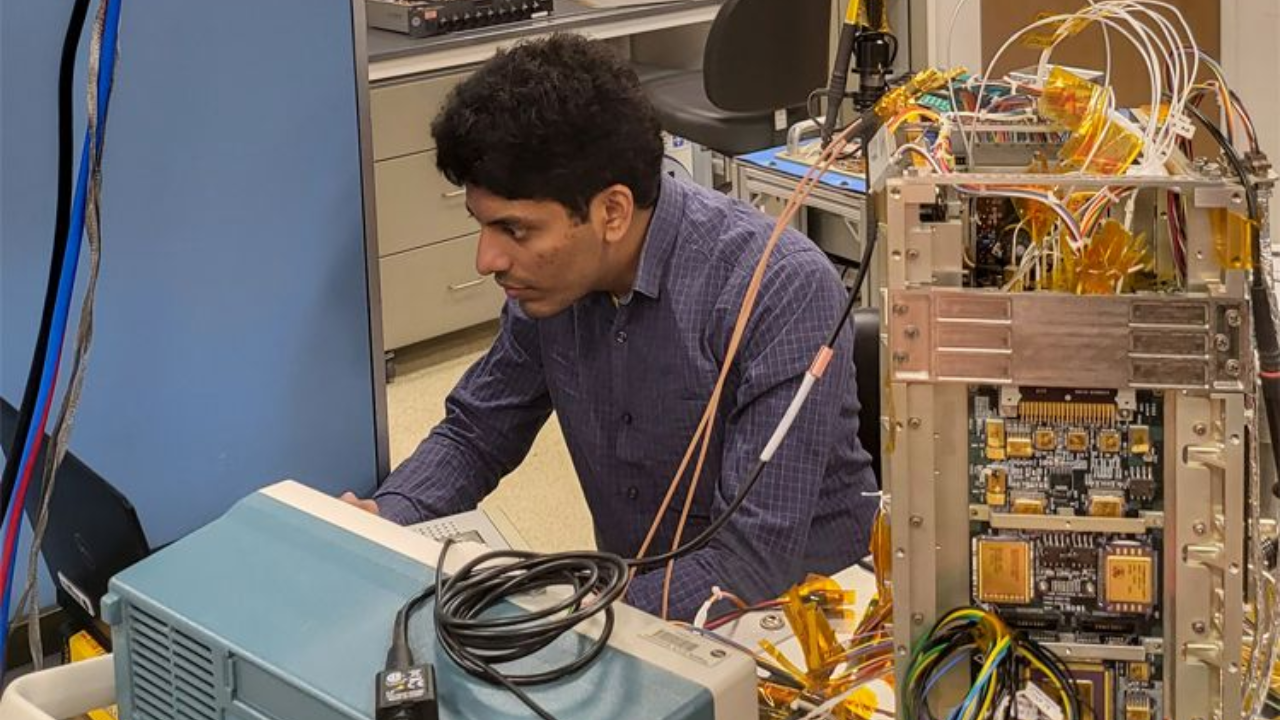
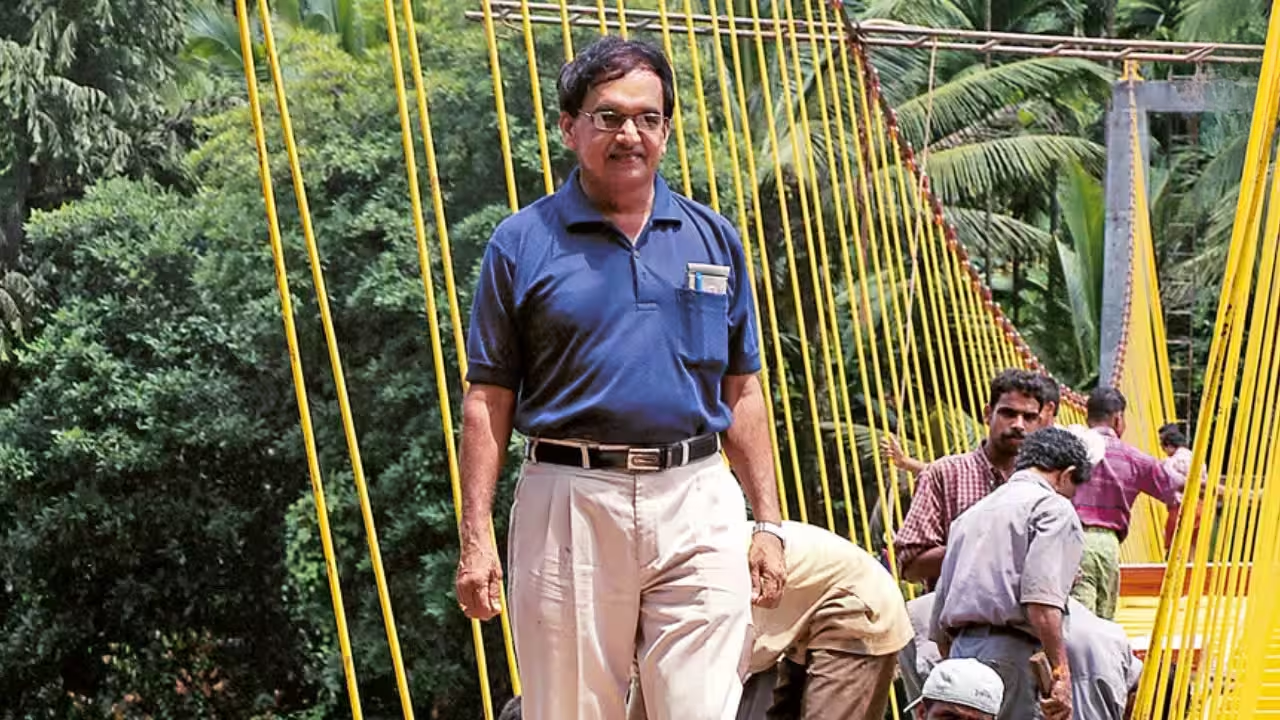
Vaidya’s association with NASA began during his graduate years. (Photo credit: NASA)
And the very next year, he got a call from NASA. “Earlier in 2022, while I was about to start my new job after resigning from my position at Goddard. I was contacted by NASA with a potential long-term opportunity that one can only dream of. After months of careful consideration, I decided to move to Goddard,” he said in an interview.
His first NASA work was not about Mars
Vaidya’s association with NASA began during his graduate years. According to the University of Virginia, during his NASA internship he worked with an Astrophysics Science Division team developing an atomic layer deposition system to fabricate thin-film multilayer coatings for X-ray telescopes. His career at NASA later moved towards mass spectrometers and planetary atmospheres.
What he is doing at NASA now
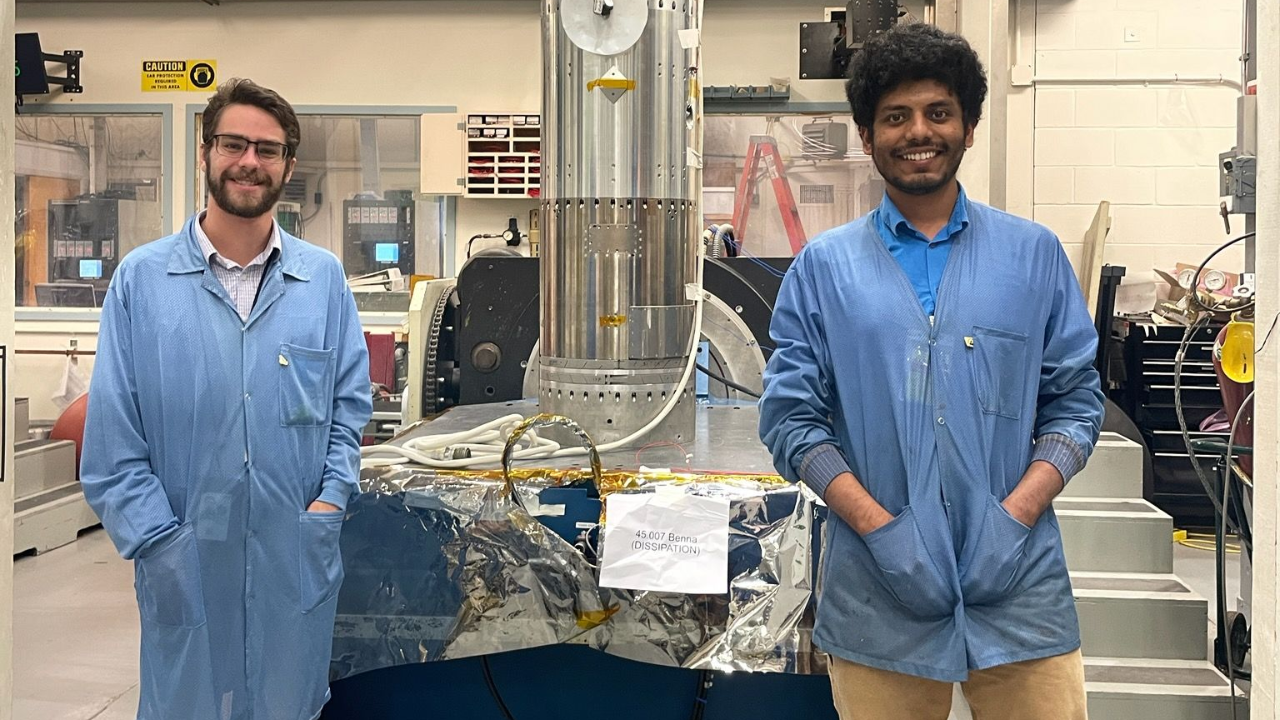
Photo credit: NASA
Vaidya’s current work connects directly with some of NASA’s planetary and atmospheric missions. He serves as the Ground Systems Operations Lead for the Neutral Gas and Ion Mass Spectrometer (NGIMS) aboard NASA’s MAVEN(Mars Atmosphere and Volatile Evolution) mission. NGIMS is designed to analyse the composition of Mars’ upper atmosphere.His work is not limited to Mars. Vaidya is also working on SEAL (Surface and Exosphere Alteration by Landers), a neutral mass spectrometer designed to study how a spacecraft landing affects the Moon’s surface and its thin exosphere.The child who once studied under streetlights is now working on instruments that collect and process data about Mars, Earth’s upper atmosphere and the Moon.His address today is NASA’s Goddard Space Flight Center. His work, however, reaches far beyond Maryland.