From who pays MDR and how much, to exemptions for small merchants and P2P transfers, here’s a look at the new UPI payment rules and what they mean for…
 1/13
1/13Why bring MDR now? NPCI says the levy will help fund payment infrastructure, cybersecurity upgrades, fraud prevention tools, innovation and customer support, while keeping charges lower than those applicable on other digital payment instruments.
 2/13
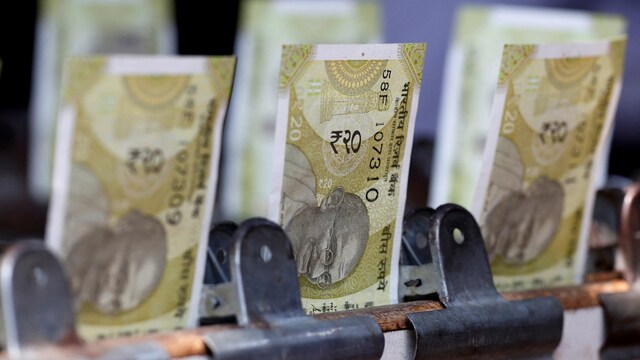
2/13What is the MDR rate? A 0.4% Merchant Discount Rate (MDR) will apply to Person-to-Merchant (P2M) UPI transactions above ₹2,000. For payments of ₹75,000 or more, the MDR will be capped at ₹300 per transaction
 3/13
3/13Will P2P UPI transfers be charged? No. UPI transfers between individuals, including payments to friends, family members and transfers between your own bank accounts, will remain completely free.
 4/13
4/13Will small merchants pay MDR? No, small merchants under the P2PM framework will continue to enjoy zero MDR. The exemption is based on the merchant’s account categorisation, so receiving a payment above ₹2,000 does not automatically attract a charge.
 5/13
5/13Can UPI apps charge platform fees? No. UPI app providers are barred from levying platform fees or any additional charges on UPI transactions.
 6/13
6/13Flat ₹5 MDR for key sectors | Railways, telecom services, insurance and fuel are among the merchant categories where a flat MDR of ₹5 per transaction will apply for payments above ₹2,000, instead of the standard 0.4% rate.
 7/13
7/13Utilities get concessional treatment | Electricity, municipal water and piped natural gas payments above ₹2,000 will attract a flat MDR of ₹5, while transactions up to ₹2,000 will remain free.
 8/13
8/13Capital markets transactions at 0.02% | Payments related to mutual funds, securities, stockbrokers and dealers will attract a nominal MDR of 0.02%, subject to a maximum cap of ₹300 per transaction.
 9/13
9/13Education payments get a softer fee structure | School fees, university payments and entrance exam charges above ₹2,000 fall under a special category with flat-fee and capped MDR structures, reducing costs on high-value transactions. (Image: Canva)
 10/13
10/13Fuel payments above ₹2,000 | UPI payments at petrol pumps exceeding ₹2,000 will attract a flat MDR of ₹5. Transactions below the threshold will continue to be MDR-free.
 11/13
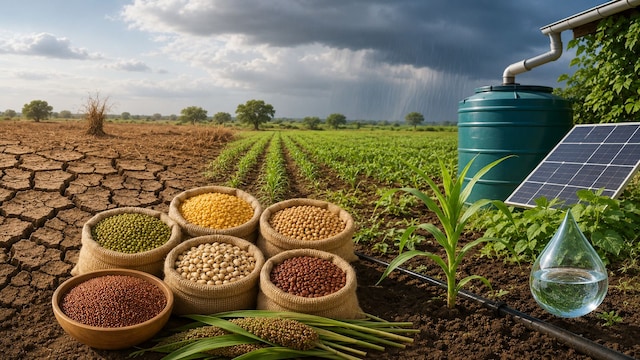
11/13Agriculture sector gets concessional MDR | Payments above ₹2,000 to fertiliser dealers, pesticide and insecticide sellers, seed suppliers, farm equipment and agricultural machinery businesses will attract ₹5 MDR, along with ₹3.50 interchange, ₹1.50 PSP fee and ₹1 app provider fee.
 12/13
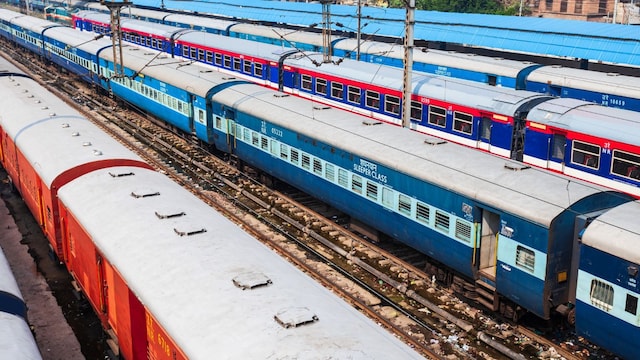
12/13Railways ticket payments explained | For payments above ₹2,000 for local and suburban commuter transport and passenger railways, the merchant pays ₹5 MDR to the acquiring bank. The acquiring bank pays ₹3.50 interchange to the issuer, the issuer pays ₹1.50 PSP fee to the payer PSP, and the payer PSP pays ₹1 app provider fee to the app provider.
 13/13
13/13When do the new charges kick in? The revised UPI MDR framework will come into effect on October 15, 2026, giving banks, fintechs, payment aggregators and merchants time to update their systems.