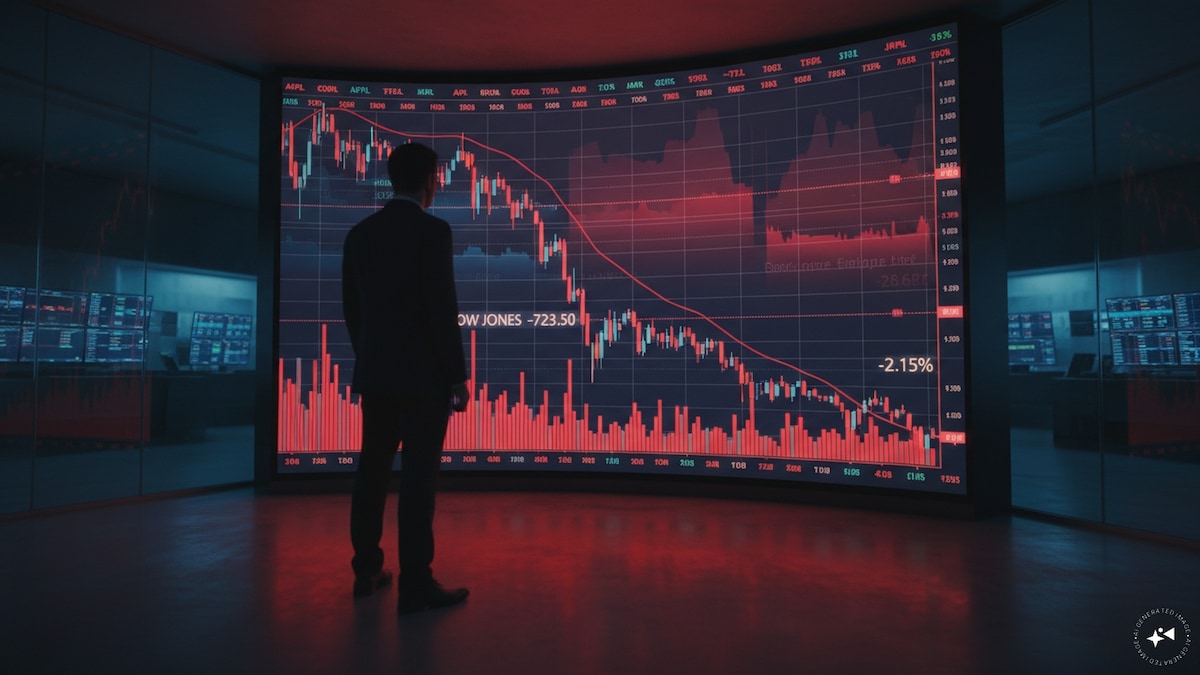
What changed during the session was the perception of where rates go from here. With inflation still elevated, another possible hike, Treasury yields above 5% and a stronger dollar, investors reassessed the prospect of an extended period of tight monetary policy, triggering a sharp late-session decline in the Dow.
Here are the key factors behind the sharp fall in the Dow:
Warsh’s inflation warning rattles investors: The biggest trigger came from Warsh’s assessment of inflation. Following the rate decision, the Fed chair said inflation was still too high and that recent readings had not shown a meaningful improvement in underlying price pressures. That message signalled that Wednesday’s rate increase is just the beginning of the current tightening cycle.
Fed signals another rate hike could come: The Fed raised its policy rate to a range of 3.75%-4% in a unanimous 12-0 decision, its first rate increase since July 2023. The central bank’s updated projections also pointed to another increase. The median policy rate was seen at around 4.1% by the end of 2026, suggesting that borrowing costs could remain elevated for longer than markets had hoped.
US bond yields climb back above 5%: Treasury markets added to the pressure on equities. The benchmark 10-year US Treasury yield moved back above 5% as Warsh spoke, reflecting investor concerns that the Fed may have to maintain restrictive monetary policy to bring inflation under control. Higher Treasury yields make bonds relatively more attractive while also increasing the rate used by investors to value future corporate earnings. That can put pressure on stock prices, particularly when markets are already trading at elevated valuations.
Dow’s exposure to rate-sensitive sectors: The Dow’s composition also amplified the decline. The index has significant exposure to industrial, financial and other established companies whose earnings can be affected by higher borrowing costs and slower economic activity.
Dollar strengthens as rate outlook turns hawkish: The US dollar also gained after the Fed decision and Warsh’s comments. The dollar index rose about 0.6% to 100.21, reaching levels last seen in late July. A stronger dollar often accompanies expectations of higher US interest rates as global investors seek dollar-denominated assets. For US companies with significant overseas revenue, a stronger greenback can also reduce the value of earnings generated abroad when translated back into dollars.