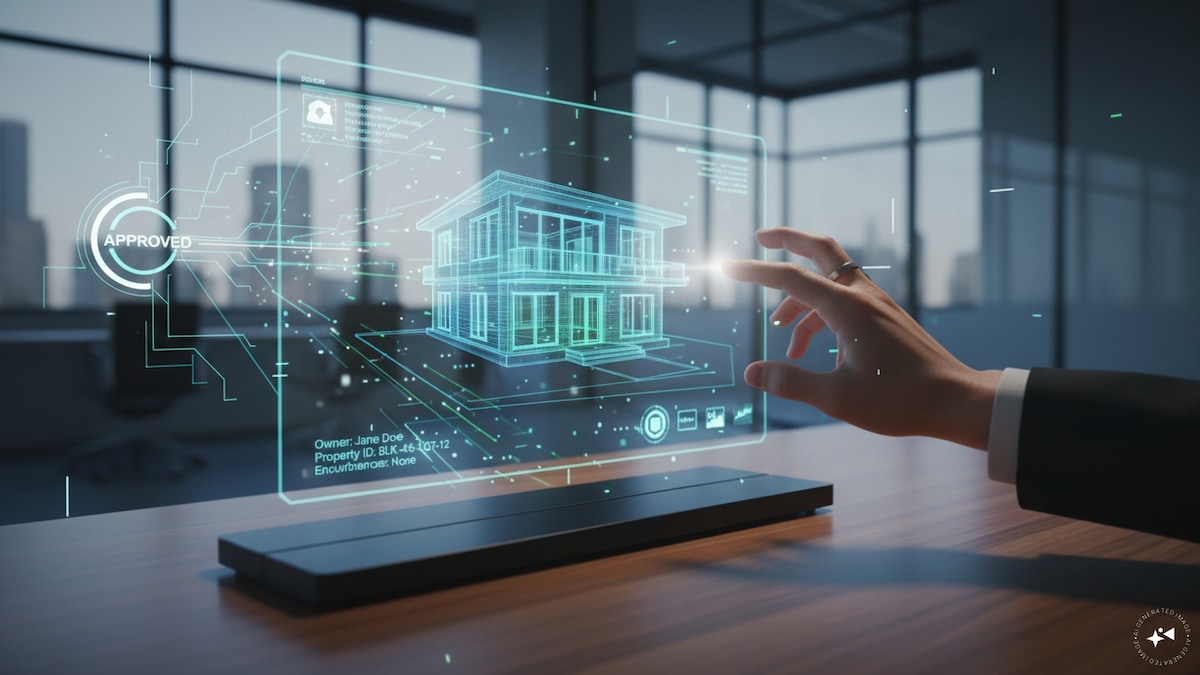
At present, home-loan processing involves verification of several aspects of a property, including ownership, title, previous transactions and existing encumbrances. If such information were available through digitally verifiable and connected records, lenders could potentially rely less on manual document-based verification.
According to Anirudha Khopade, Head – Data Science & Analytics, Square Yards, a technology-driven real estate and mortgage platform, digitally verifiable land and property records could allow lenders to validate ownership, transaction history, encumbrances and property details through authenticated digital sources.
“This can reduce turnaround times, improve underwriting accuracy, and ease the documentation burden for borrowers, while enabling lenders to make faster and more informed credit decisions,” Khopade said.
What could change in home-loan processing?
The potential change would not simply be about replacing paper documents with digital copies. The bigger shift could come from connecting different types of property information.
Land records, registration details, mutation records and encumbrance information may be maintained separately. If these datasets were digitally connected and could be reliably verified, lenders could potentially get a more complete picture of a property’s ownership and legal status during the loan assessment.
Atul Monga, CEO and Co-founder of BASIC Home Loan, an Indian fintech company and automated platform that simplifies the home-buying and mortgage process, said the larger opportunity lies in connecting the property ecosystem rather than merely digitising individual records.
“Bringing these together into a single, trusted property record can create a common source of truth for buyers and lenders, reduce duplication and improve transparency,” Monga said.
For a borrower, this could potentially mean less paperwork and fewer rounds of document submission. For lenders, connected information could potentially make title verification more standardised and help identify ownership or legal issues earlier in the underwriting process.
Could it reduce home-loan delays?
Potentially, yes. One area where connected records could make a difference is title verification.
A lender typically needs to establish whether the person selling or mortgaging the property has valid ownership and whether there are existing claims or encumbrances on it. If relevant records can be digitally accessed and verified, some of the manual checking and exchange of documents could potentially be reduced.
Khopade said a connected ecosystem of land records, registration data, encumbrance information and transaction history could enable faster title verification, better property assessment and earlier identification of potential legal or ownership issues.
However, the effectiveness would depend on the accuracy, completeness, authenticity and interoperability of the underlying records. Digitising a record by itself would not necessarily resolve discrepancies or gaps in property documentation.
What should homebuyers still verify?
Even if more property information becomes digitally accessible, borrowers would still need to conduct their own due diligence before purchasing a property.
Monga said buyers should verify the title deed or sale deed and the complete chain of past ownership records. Depending on the state, land revenue records such as the Record of Rights, RTC or 7/12 extract should also be checked, particularly for consistency with the title documents.
An updated encumbrance certificate is important for checking existing loans, mortgages, litigation or other claims on the property.
Khopade said borrowers should also independently verify approvals, encumbrances, RERA registration where applicable and possession status, preferably with the help of a qualified legal professional.
So, while digitally connected property records could potentially make home-loan processing more streamlined, they would complement rather than replace legal and ownership due diligence by the borrower.