Amid this, Godrej Wealth believes a large part of an HNI portfolio should remain in liquid assets.
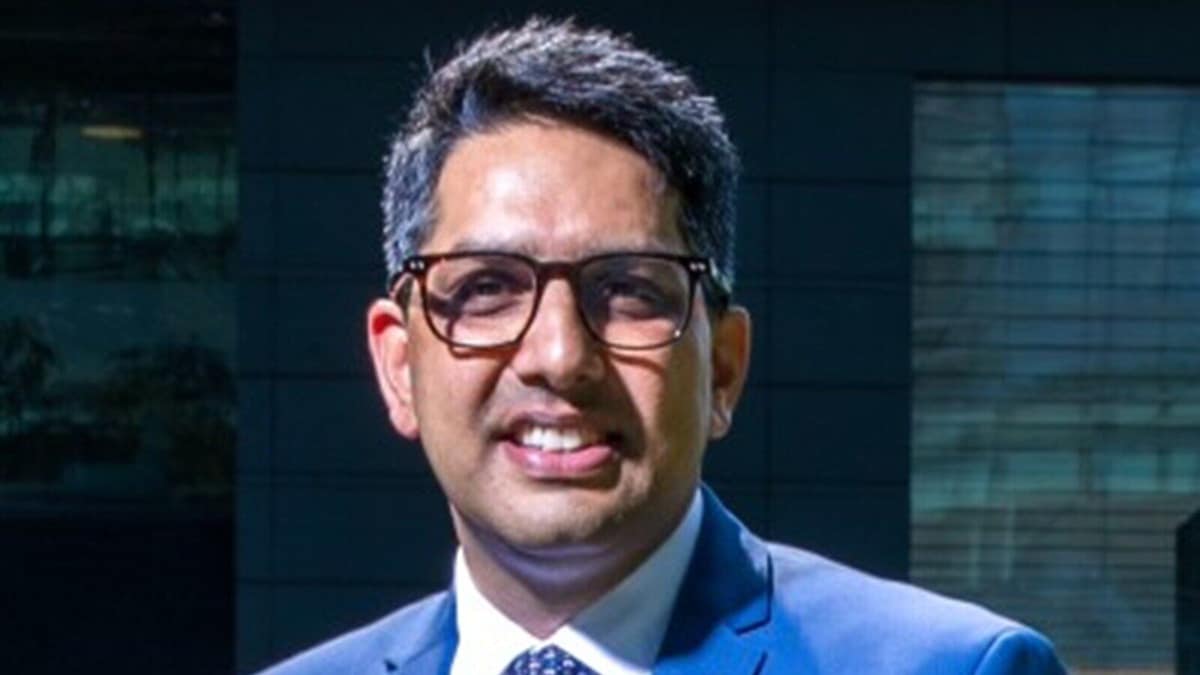
Neeraj Mahajan, Chief Business Officer, Godrej Wealth, said the firm’s view is that at least 70-75% of assets should be in liquid or readily liquidable investments, with the remainder depending on the client’s requirements and investment horizon.
He said mutual funds and PMS can form part of this liquid allocation, while longer-term investments could include private equity funds, unlisted stocks and other private-market assets.
Real estate can also form part of an HNI’s wealth mix, although it is less liquid than financial instruments.
Overseas investments can similarly span both liquid and less-liquid assets.
Mahajan said the allocation across equity, debt and other asset classes would ultimately depend on the individual client and the nature of their requirements.
His comments come as Godrej Wealth expands its wealth-management business across India.The company, which launched in Mumbai in June and expanded to Delhi-NCR on September 17, is focused on HNI and UHNI clients and offers access to mutual funds, PMS, AIFs, private credit and bespoke portfolio solutions.
Godrej Wealth is targeting ₹3,000 crore in AUM by the end of the current financial year and aims to reach ₹1 lakh crore across its wealth and asset-management businesses by 2031.
The company is also preparing to enter the mutual fund business.
Manish Shah, MD & CEO, Godrej Capital, said the company is in the process of filing for a mutual fund licence and expects to enter the business in about a year.
Mahajan said HNI wealth-management conversations are centred on asset allocation across public markets, private markets and offshore investments, rather than individual products alone.