
US 10-year Treasury yields hit their highest level since 2002. The yield on the 10-year US Treasury note rose to 5.34% on Thursday, according to Reuters. The yield had also climbed to 5.33%, rising above its 2007 peak, Bloomberg reported.
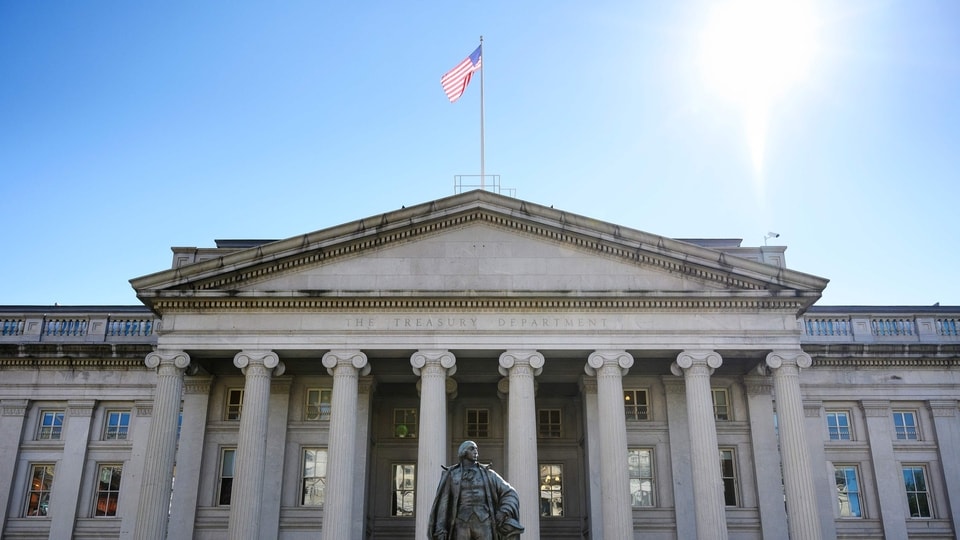
Persistent inflation is keeping interest-rate expectations high. Investors remain concerned that inflation will stay above the Federal Reserve’s target. This has increased expectations that central banks may raise interest rates further, Bloomberg reported.
Oil prices, government borrowing and AI boom fuel rate hike bets
Markets are expecting a possible Federal Reserve rate hike by the end of 2026. Overnight-indexed swaps, which reflect market expectations for future interest rates, had fully priced in a Fed rate hike by year-end. This comes as the US economy continues to show strength despite higher borrowing costs, Bloomberg reported.
Rising oil prices are adding to concerns about inflation. Higher oil prices linked to the war in the Middle East are affecting the global economy. Investors are concerned that expensive energy could keep inflation high and push central banks to raise interest rates, Bloomberg reported.
US government borrowing is another reason yields are rising. Large government deficits mean governments need to borrow substantial amounts of money to fund their spending. This adds to the demand for funds and puts pressure on borrowing costs, according to Fred Neumann, chief Asia economist at HSBC.
Also read: Brent crude oil price today: Why are oil prices rising as Saudi exports recover?
The artificial intelligence boom is increasing demand for capital. Technology companies are investing heavily in AI infrastructure, including the computing power and facilities needed to support AI development. This investment requires large amounts of funding, adding to borrowing demand and pushing interest rates higher globally, Bloomberg reported.
Inflation remains hard to control
Investors are worried that inflation may remain difficult to control. Even a milder-than-expected US inflation reading may not be enough to calm bond markets because investors are also concerned about government deficits and rising demand for funding from the AI sector, Neumann said.
Neumann said central banks face challenges in bringing inflation under control. He pointed to economic and political pressures that can make it difficult for monetary policymakers to tighten policy quickly and decisively. He also said expansionary government spending contributes to persistent inflation.
Bond sell-off pushes yields higher
The bond market has been facing a prolonged sell-off. Investors have been selling government bonds over several months, pushing bond prices lower and yields higher. Strong US economic data and movements in oil prices have also contributed to the trend, Rory McPherson, chief market strategist at Wren Sterling, said.
There are not enough buyers stepping in to support the bond market. McPherson said the lack of sufficient demand for bonds was adding to the pressure. When investors are less willing to buy bonds, governments may need to offer higher yields to attract buyers.
Global bond yields hit multi-decade highs
The 30-year US Treasury yield has also reached its highest level since 2002. The rise in long-term Treasury yields shows that pressure is not limited to the 10-year bond, Bloomberg reported.
Rising government bond yields are not limited to the US. Borrowing costs in France, Britain and Japan also reached their highest levels in decades on Thursday. The increases are putting additional pressure on government finances and creating risks for stocks, credit markets and other global assets, Reuters reported.
Also read: Why are US Treasury yields rising as global bonds face their worst month in years?
European government bonds are also facing pressure from political and budget concerns. Timothy Graf, head of macro strategy for EMEA at State Street, said French government bonds were under pressure as the country faced budget challenges. He also noted that Italian bonds were experiencing losses.
Will Treasury yields stay high?
Government spending decisions could influence where yields go next. Fiona Cincotta, senior market analyst at City Index, said markets could become calmer if governments made difficult decisions to cut spending, according to Reuters. However, she noted that such a shift did not appear to be on the agenda in the UK and that political developments in France could lead to more spending.
Higher yields could become a longer-term feature of financial markets. Neumann said higher bond yields may become the new normal as investors work out where long-term interest rates should settle. He added that one slightly better or worse inflation report is unlikely to bring yields down quickly on its own.
Higher yields could put pressure on other financial assets. Andrew Lilley, chief rates strategist at Barrenjoey, said other assets should begin to see price declines as bond yields rise. Higher Treasury yields can make bonds more attractive relative to stocks and other investments, potentially affecting their prices.
Some investors are beginning to see opportunities in longer-term bonds. McPherson said that although his firm remained more focused on shorter-term UK bonds, the risk-reward balance for 10-year bonds was becoming attractive. This reflects how the recent sell-off may create opportunities for investors willing to accept the risks.
The key question is whether inflation, government borrowing and AI investment will continue to keep yields elevated. The rise in the US 10-year Treasury yield reflects several pressures working together, rather than one single event. Investors are watching inflation data, central bank decisions, government spending and demand for AI-related funding to assess the direction of borrowing costs, based on the factors outlined by Bloomberg, Reuters and the market analysts quoted above.