
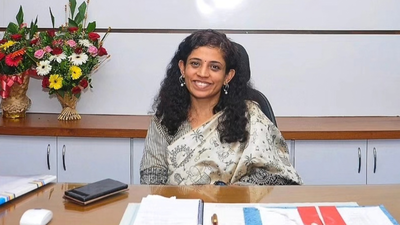
When an IAS officer chooses a school for her children, the decision can easily become a subject of public discussion. For Mittali Sethi, however, the choice was less about making a statement and more about something she had seen closely at a local government anganwadi.Sethi, the Nandurbar district collector, enrolled her twin boys in a government anganwadi when they turned three. Speaking about the decision at an event, she told CNBC-TV18 that she did not make the choice because she wanted to make a larger argument about government institutions. She simply liked the anganwadi and trusted the people working there.“I put them in the envelope because I like the anganwadi. I mean, I, I feel like it’s, there’s no more simple answer to this,” Sethi said. She said she took her children there on their third birthday, just as another mother in the village might have done.“I took them on their birthday when they turned 3 to the anganwadi because that’s what any other mother was doing in that village. It was close to my house. I loved the anganwadi.”
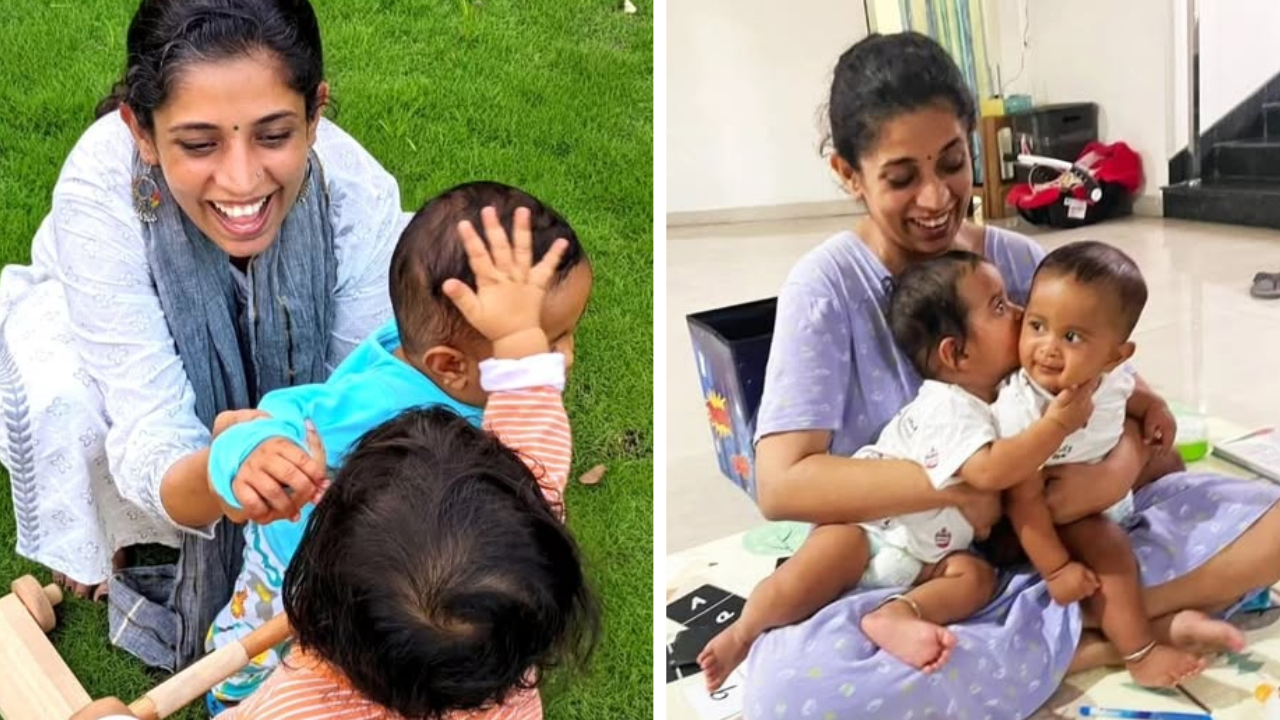
Sethi said she chose a government anganwadi for her twins because she trusted its workers.
One anganwadi worker changed how she looked at the place
Sethi recalled an incident that, she said, strengthened her belief that the anganwadi was the kind of environment she wanted for her children.Before her twins joined, she had noticed children becoming uncomfortable during weighing exercises. The anganwadi had a traditional jholi used to weigh children, but the children would often cry while being placed in it.Then an anganwadi worker came up with a different solution.According to Sethi, the worker worked with a local tailor to create another jholi that would make the children more comfortable. When a child was placed in it, the child did not cry.“And I was like, what? Amazing. Like I told you, like, you know, they are amazing. With Dugard, she just took out a local tailor. She said, I don’t want your tender and all that. I’ll do it myself. And she did that and and I felt like, you know, isn’t this what I want my children to learn? She is who I want my children to learn from.”For Sethi, that small intervention mattered. It showed her that the learning environment was not only about what was formally taught to children but also about how the adults around them responded to their needs.
Her family was initially sceptical
The decision was not immediately understood by everyone around her. Sethi said her parents and in-laws were initially unsure about the choice.“Of course my parents, my in laws were a little skeptical and they said what are you trying to do? I’m just very stubborn. So I did not listen to them,” she said.Her twins have since continued at the anganwadi. They are four now.But Sethi admitted that even she has occasionally wondered whether she was making the right choice.“It’s been a year now. They just celebrated their 4th birthday. And there have been moments, you know, where I have the mother in me has had that question that am I doing the right thing?”She said people sometimes asked whether her children were learning enough, particularly because their everyday experience at the anganwadi could look different from what parents might expect from a conventional preschool.“Because people are like, you should, you know, teach them. They’re not learning this because every day they go to the angry, they learned a new song. And I’m like, is this normal? Because I mean, it’s my first time being a mother. I don’t know.”
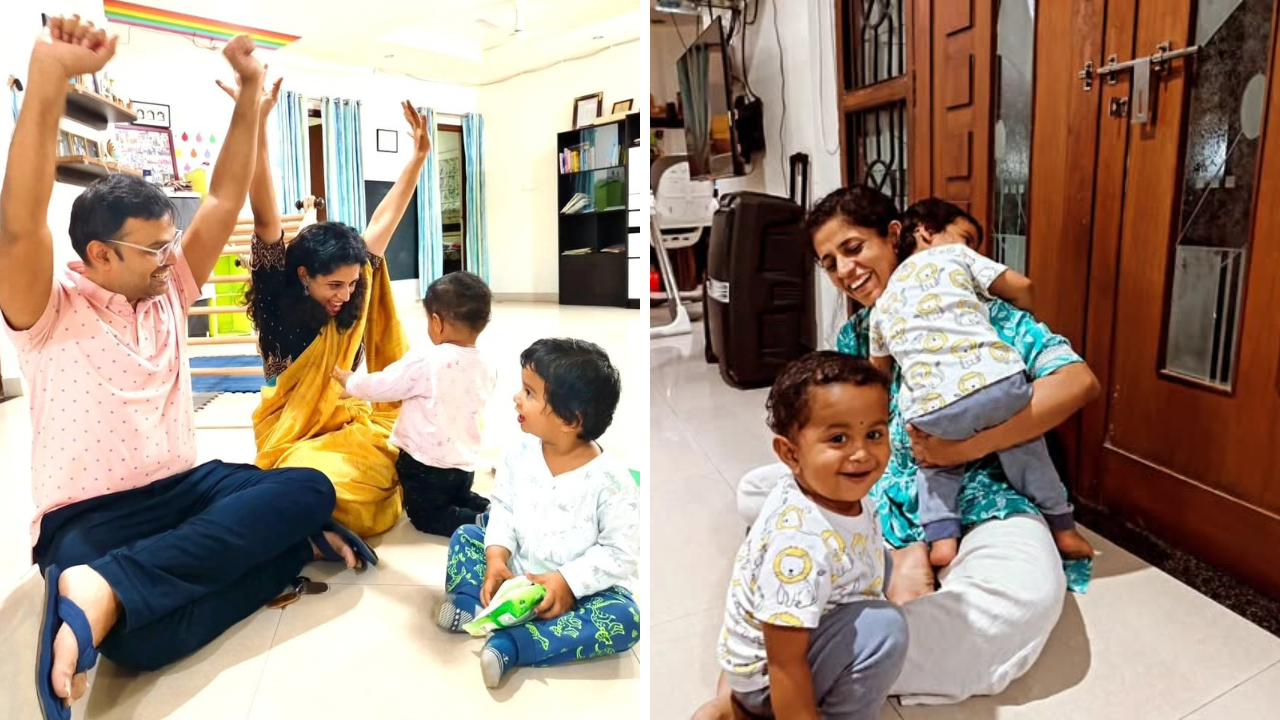
The IAS officer said her decision was based on her own experience of the anganwadi and its workers.
‘She’s my friend’
One of the moments that stayed with Sethi involved something as ordinary as a child playing with an animal.“I went to the anganwadi one day my child was playing with the sheep and I said, what are you doing? And she said, she’s my friend.”Her response was simple: “And I said, OK.”For Sethi, however, the moment reinforced something she had already begun to feel about the place.“I didn’t, I, But then, you know, the intuition in me tells me that this is right.”Sethi’s account, however, was not presented as an argument that every parent should make the same choice. Her reasoning, she said, ultimately came down to what she had seen at the centre – and the people who worked there.For an IAS officer overseeing a district, choosing a government anganwadi for her own children inevitably drew attention. But in her account, the decision began with something much more personal: she visited the centre, observed how the workers treated children, liked what she saw and decided that it was where she wanted her twins to spend their early years.