
Across the previous three Asian Games of 2023, 2018 and 2014, India’s most bankable sports to fill the most chunky pie and the most valuable golden cherry in the medals cake were the usual suspects: athletics and shooting.
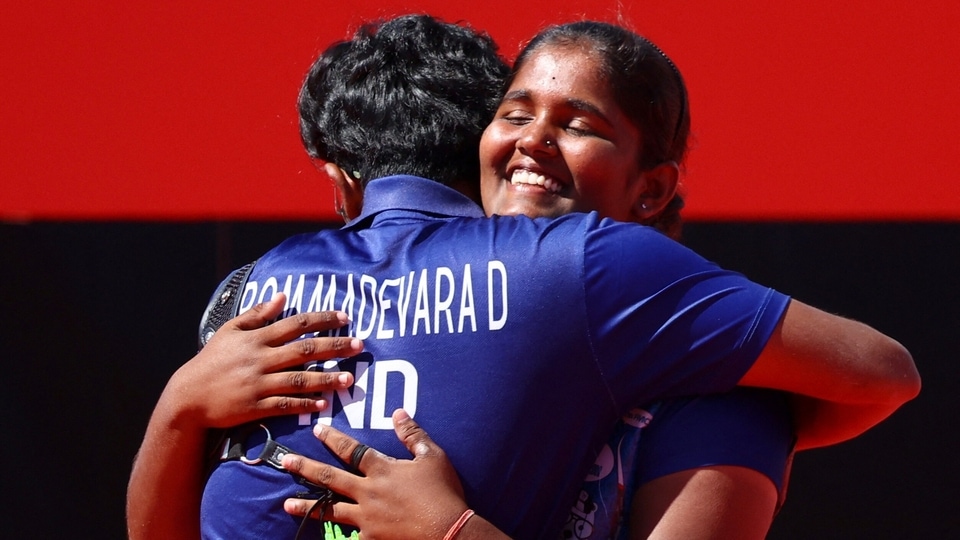
In 2026? Archery.
Five gold, two silver and two bronze medals at Aichi-Nagoya might be the same quantity as 2023 Hangzhou. But the difference in quality stands out for a couple of reasons, not least the two quotas for India in compound (the only one on offer) and recurve for the 2028 LA Olympics.
First, even as shooting (3 gold in 2026, down from 7 in 2023) and athletics (1, down from 6) dropped in gold standard, archery kept up. Their five-star podium finishes were the best across sports, with shooting and boxing (also 3) next.
Second, while archery’s 2023 gold and medal haul had a large compound tune to it (all 5 gold and 7 medals from 9), 2026’s returns had a bigger recurve roar. With individual and team champions in women, mixed and men’s team silver medallists and an individual men’s bronze medallist, the discipline with five Olympic events made a big step up.
To the extent that Neeraj Chauhan’s medal from the all-India bronze medal contest almost felt like a bit of an underachievement. It wasn’t (he is only the second individual man to do so), yet such were the lofty rides by the women’s team, its champion Kumkum Mohod, and the men’s and mixed teams.
Compound had a slight downturn, failing to defend two of its five golds (both individual). It showed other Asian countries will no longer let India run away in the new Olympic event, much like India’s recurve archers caught up with and even overtook the Koreans in the traditional Olympic event.
That Indian archers hit the mark with a 12-member squad in which nine were Asian Games debutants makes it all the more creditable. Four of the six women were 21 or under, and three of them were teens, including 17-year-old Kumkum. Five of the six in the men’s group were 25 or under.
“Yes, experience works, but young talent can also be much better,” said Jiwanjot Singh Teja, India’s Dronacharya awardee national coach. “They are sharper, bolder, and intelligent. If we get more young people in the team, we will get better results.”
Getting younger people on the team isn’t always guaranteed as domestic trials dictate that. The Asian Games validated the selection process that kept out both the Hangzhou individual compound champions and more seasoned archers in recurve.
Much work also went on behind the scenes to get these archers to deliver as a team after the trials in May. With only two World Cup stages to compete together, a lot of emphasis was placed on the two pre-Games national camps. Udham Singh, put in charge of the recurve women’s team because his trainee Kirti Sharma topped the trials, made Kumkum, Kirti, 19, and Ankita Bhakat, 28, do everything together – practice, eat, talk – in the camps.
“The World Cups made us realise that we needed to work on our team building, and that was my focus in the camp,” said Udham. All the coaches involved, personal and national, as well as other stakeholders were in sync.
“I would also give credit to the national coach with the team, all the other coaches there, the Archery Association of India, TOPS and SAI,” said Prafull Dange, Kumkum’s coach who watched his trainee create history in Japan from Amravati. “Everyone played their part in this result.”
This result, though, is done. Two quotas are booked for LA 2028, and three gold medals won in Olympic events. Success at the Asian Games, even amid a rich field, is one thing, and replicating it at the Olympics is another. Indian archery has yet to medal at the Olympic stage, and that is the ultimate aim. Not least for the history-making gold medallists at the Asian Games.
“Our archers are doing really well now,” said Teja. “We just need to continue with the same environment.”