
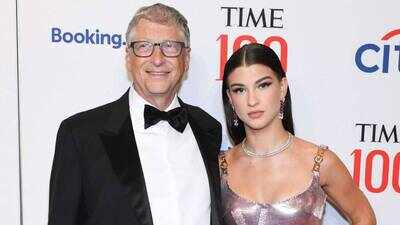
Bill Gates says a conversation with his daughter Phoebe about being harassed online gave him a new understanding of what he calls the internet’s misinformation problem. Speaking to CNBC Make It, Gates said the spread of misinformation online remains a challenge for which he does not see an easy solution, unlike issues such as disease eradication or clean energy development that have clearer paths toward progress. “Misinformation is the one where I, a little bit, had to punt and say, ‘OK, we’ve handed this problem to the younger generation,’” Gates said
What Phoebe Gates told Bill Gates about online harassment
Gates said that hearing his daughter describe being harassed online, and how many of her friends had similar experiences, brought the issue into focus in a way he hadn’t considered before.Phoebe, the youngest of Gates’s three children, has spoken publicly about online abuse. In a 2023 interview with The Information, she said she was done being “memed for being in an interracial relationship,” and cited misconceptions and conspiracy theories about her family and her boyfriend.She also appeared with her father in the Netflix docuseries What’s Next? The Future with Bill Gates, which premiered on September 18, 2024. In it, she said friends had cut her off over vaccine rumors about her father. Gates later wrote on his blog that their conversation was the series highlight and that she shared specific examples of how bad actors use misinformation and disinformation to disrupt progress.
Bill Gates admits he was ‘naive’ about the internet
Gates also acknowledged that, during the early years of personal computing and the internet, he believed most people would use digital technologies in responsible and productive ways. “When we made information available, that people would want correct information,” he said, describing it as part of his earlier “naiveté.”However, discussions with misinformation experts while filming the Netflix docuseries What’s Next? The Future With Bill Gates led him to recognise how people often gravitate toward information that reinforces their existing beliefs.
Microsoft co-founder believes that there’s no solution to misinformation
The Microsoft co-founder said he remains uncertain about the best way to curb misinformation online. While he recognises concerns that restrictions on content could affect free speech, he also believes some form of rules and safeguards may be necessary.The challenge has become more pressing with advances in artificial intelligence, which have made it easier to create and distribute misleading content at scale. According to the CNBC report, AI-generated misinformation was identified by the World Economic Forum as one of the leading global risks over the next two years.Highlighting the speed at which false information spreads online, Gates said the damage is often done before inaccurate claims can be corrected.“And, if you catch it a day later, the harm is done,” he said