
New Delhi: If the 2025 edition was a precursor, here comes the real deal. Headlined by six-time Major winner Rory McIlroy, defending champion Tommy Fleetwood, current PGA Championship winner Aaron Rai, reigning Open champion Ryan Fox, and 2019 Open winner Shane Lowry, the second edition of the $4 million DP World India Championship has attracted the shining stars of golf to the lush and iconic Delhi Golf Club (DGC). While the Professional Golf Tour of India (PGTI) is chuffed at the star cast and is upbeat about the domino effect an event of such magnitude will likely have on the sport, it’s the here and now that one is more bothered about.
The last time an Indian won an event on the European Tour — now known as DP World Tour— was in 2018 when Gaganjeet Bhullar won the tri-sanctioned Fiji International. That win came just six months after Shubhankar Sharma won the Maybank Championship in Kuala Lumpur, raising hopes of consistent Indian results. Eight years on, while Indian pros have been making the right noises at home, overseas wins have dried up. At the inaugural DP World India Championship, only five of the 26 Indians in the field made the cut with Shiv Kapur’s T32 the best Indian finish.
This time, there are 27 Indians in the fray, most of them having a fair degree of familiarity with the tough course. While Gaganjeet Bhullar’s late withdrawal to a back injury is a blow — he is replaced by Sachin Baisoya — there’s enough experience in the ranks.
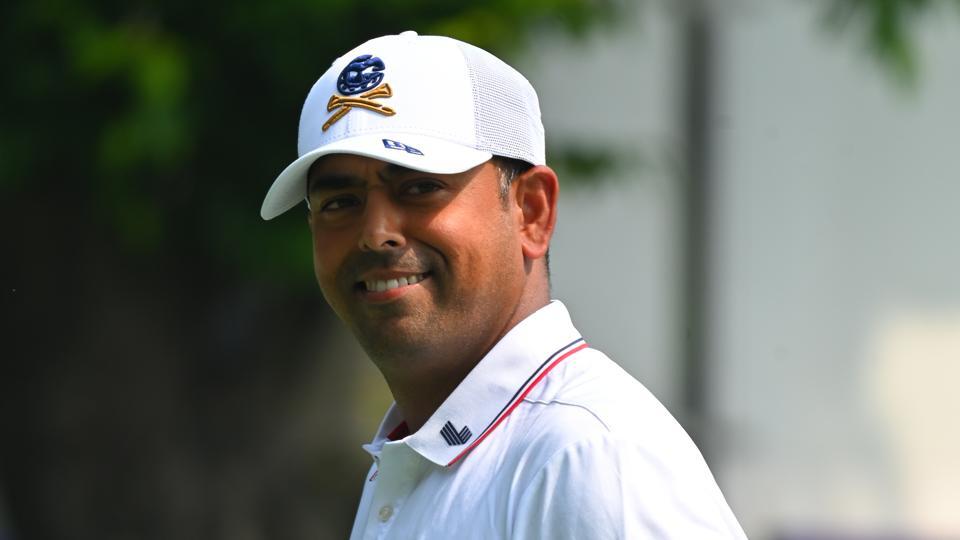
PGTI CEO and DGC captain Amandeep Johl has set a realistic expectation — half of the Indian entries making the cut. While that will soon be put to test, the likes of Anirban Lahiri and Shubhankar Sharma are busy re-acquainting themselves with a course they have grown up on.
“We have a conveyer belt of some really exceptional young golfers. Yes, we’ve had a few lean years and there haven’t been any international wins on any tours, but that doesn’t mean we don’t have the talent. There is enough to work with. I believe that the golf has grown. There has been more professional opportunities now,” Lahiri said.
The 39-year-old isn’t off the mark. In Saptak Talwar, Veer Ahlawat, Yuvraj Sandhu, Viraj Madappa and Manu Gandas — all will be in action — India did have a number of youngsters ready to ride the momentum that Shubhankar’s 2018 win in Europe generated. The leaderboards though have been narrating a different tale.
“At the end of the day, it’s about your mindset and how you prepare for the challenges you’ll face abroad. I don’t think Indian golf courses, and the set-ups that a lot of Indian tours are playing, best prepare you for what you face abroad. It was the same during my time. You have to adapt, be agile, be able to think and prepare for, okay, what am I going to face when I play the DP World Tour or whichever tour. So, it comes down to how you train and how your support team is managing that,” Lahiri, who will play after a seven-week break, said.
“There is a lot of growth that needs to happen in that area. Once you start taking a little more holistic approach, you’ll see better results. You don’t want them to be flashes in the pan. You want it to be something structured where you know these kids are going to grow. I think that’s happening. Maybe not as fast as we need to. More of that needs to happen.”
For Shubhankar, the struggle has spilled over to a second season. The 30-year-old has missed cuts in 13 of the 22 events he has played on the DP World Tour, thanks largely to him experimenting with his clubs.
“That backfired because I didn’t find what I needed, and I remember last year at this time I was saying the same thing,” Shubhankar, who is coming off a win at the Kapil Dev Invitational last week, said.
“I couldn’t find something consistent throughout and that was really putting me off. That has been the biggest problem. The solution has been just to go back to the basics of finding clubs first of all, which I did in the middle of the year. I went back to old clubs with some minor adjustments, like strengthening the shaft. After that it was just going back to old feels and unlearning the bad habits that I picked up while changing clubs.”
On the course and conditions, the seasoned pros vouched for DGC’s traditional challenges — tight fairways, thick roughs, and the need to be accurate off the tee.
“I think the conditions of the course this week are very similar to last week. I think I have the equipment and the mindset to do what I need to do,” Shubhankar said.
“The cliches for DGC always hold true,” added Lahiri. “Hit fairways. A lot of people are not going to carry drivers. I haven’t carried one since 2011. Some of the basic theories of golf, which is keep the ball in play or keep it on the short stuff applies more here than most other golf courses. Not just because of the bushes, it’s also because of the length of the rough they have this year.”
“I have played DGC in a variety of conditions: soft, firm, windy, wet, with no rough, a lot of rough. The hardest challenge comes when you know that something slightly offline bounces into the bushes. That’s not going to happen this week. You’re going to end up in some very gnarly, long rough. If you can keep it in the fairways you’re going to give yourself a lot of opportunities to make birdies.
“The greens being as firm as they are and after the recontouring of the greens, you’re not going to get a lot of tap-ins and 4 or 5-footers. You’re going to have to hit your irons really, really well. This week is all about iron play because you’re also going to hit a lot of irons off the tee. Not necessarily 3- and 5-woods and hybrids. A lot of irons; 2-irons even. Whoever hits his irons the best and has a good week on the greens is going to have a great week,” Lahiri said.